
Beautiful Plants For Your Interior
Beautiful Plants For Your Interior
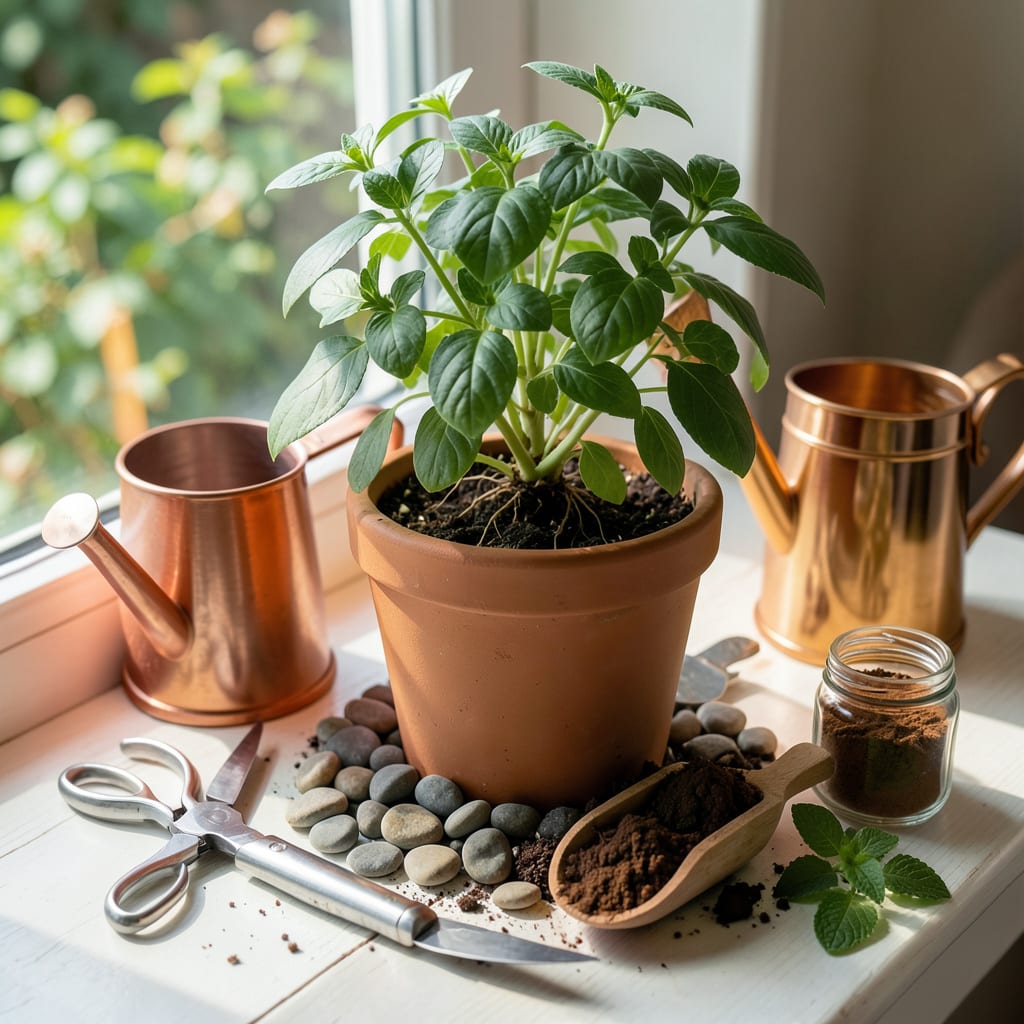
Yellow leaves and soggy soil are your first red flags. I’ve lost dozens of plants to root rot before learning that prevention starts with the pot—not the watering can.
Most cases begin with poor drainage or overwatering. A pot without holes, compacted soil, or a heavy hand with the watering can turns roots into a mushy mess in just a few days.
You’ll notice wilting that doesn’t improve with watering, black stems, or a foul smell from the soil. Catching it early means you can save the plant with a few simple fixes.
Works for everything from ferns to fiddle-leaf figs. Here’s how to keep your roots healthy and your plants thriving.
Root rot in potted plants is a sneaky but preventable problem. Understanding its causes helps you stop it before it starts. Here are the most common culprits:
Excess water suffocates roots by displacing oxygen in the soil. Without air, roots can’t respire, leading to cell death and decay. Fungi like Phytophthora and Pythium thrive in waterlogged conditions, accelerating rot. Solution: Water only when the top 1-2 inches of soil are dry.
Pots without drainage holes trap water at the bottom, creating a stagnant, anaerobic environment. Even with holes, compacted soil or wrong potting mix (e.g., garden soil) can block water flow. Solution: Use well-draining mixes with perlite or sand, and ensure pots have drainage holes.
Pathogens like Fusarium and Rhizoctonia attack weakened roots, especially in damp, poorly aerated soil. These microbes break down root tissues, turning them mushy and brown. Solution: Sterilize pots and tools, and avoid reusing infected soil.
Large pots hold excess moisture that roots can’t absorb quickly. This increases the risk of waterlogging, even with proper drainage. Solution: Choose pots just 1-2 inches larger than the root ball to balance growth and moisture control.
Once you spot the early signs of root rot, act fast to save your potted plant. Below are targeted solutions for common causes, along with prevention tips to keep your greens thriving long-term.
If soggy soil is the culprit, stop watering immediately and let the top 1-2 inches of soil dry out completely. Repot the plant in fresh, well-draining soil if the roots are mushy. Prevention tip: 💡 Use a moisture meter or the finger test—water only when the topsoil feels dry.
Plants in pots without drainage holes are sitting ducks for root rot. Drill holes into the pot or transfer your plant to one with drainage. Add a layer of pebbles or perlite at the bottom to improve airflow. Prevention tip: ✨ Always choose pots with drainage holes, and use a saucer to catch excess water (but empty it after watering).
Dense, waterlogged soil suffocates roots. Gently loosen the soil around the roots with a fork or chopstick, and mix in perlite or coarse sand to improve aeration. For severe cases, repot with a lighter, chunkier soil mix. Prevention tip: 🎯 Refresh potting soil every 1-2 years to prevent compaction.
If rot is due to pathogens, trim away black, mushy roots with sterilized scissors and treat the remaining roots with a fungicide or hydrogen peroxide solution (1 part 3% peroxide to 2 parts water). Isolate the plant to prevent spreading. Prevention tip: 🌡️ Sterilize pots and tools between uses, and avoid overcrowding plants.
With quick action and these fixes, your potted plants can bounce back from root rot—and stay healthy for years to come!
Water when the top 1-2 inches of soil feel dry. Most plants need water every 7-10 days, but this varies by species and environment. Always check soil moisture first.
Yes, if caught early! Trim affected roots, repot in fresh soil, and improve drainage. Severe cases may not recover, so act fast.
A well-draining mix with perlite or sand works best. Avoid garden soil, which compacts and holds too much moisture.
Without holes, water pools at the bottom, suffocating roots. Use a saucer to catch excess water and empty it regularly.
