
Beautiful Plants For Your Interior
Beautiful Plants For Your Interior
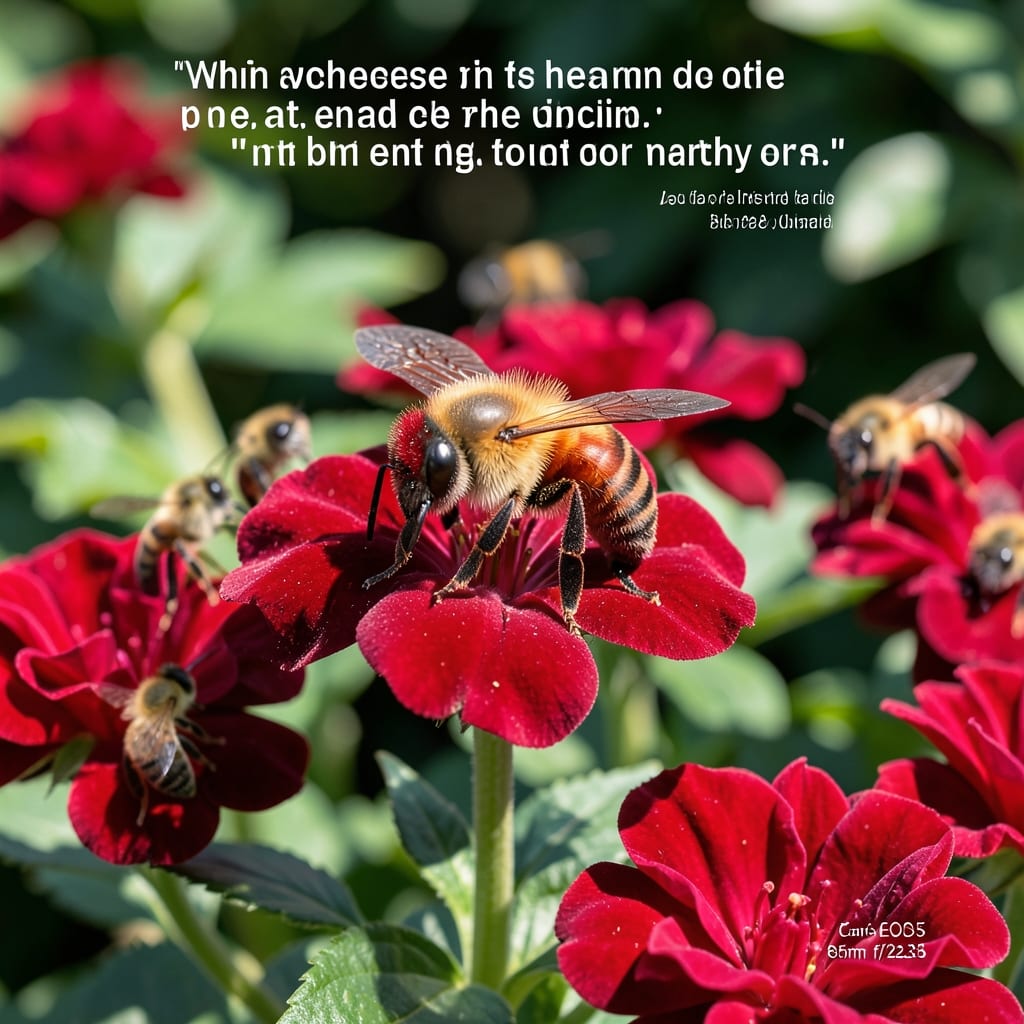
Yes, some bees can appear red, including the red mason bee and certain tropical species. Their color comes from natural pigments in their exoskeletons, not from external factors like pollen or flowers.
What’s fascinating is how these vibrant hues serve specific purposes in nature. The red mason bee, for example, thrives in temperate climates and uses its coloration for camouflage among flowers. Tropical varieties often display brighter shades to signal toxicity to predators. 🔥
I’ve noticed these bees are also incredibly efficient pollinators, often outpacing honeybees in certain ecosystems. Their unique appearance makes them easier to spot if you know where to look.
💡 In This Article
The vibrant red hue in bees like the Osmia bicornis (red mason bee) comes from carotenoid pigments absorbed from their larval diet. These pigments get integrated into their exoskeletons during metamorphosis, creating a natural coloration that ranges from deep rust to bright crimson. This process differs from structural coloration seen in iridescent insects.
In tropical regions, species like the Euglossa orchid bees display metallic red-green hues. Their color serves as a warning—many predators associate bright colors with toxicity. These bees pollinate orchids in Central and South America, with populations thriving in rainforests at elevations up to 2,000 meters.
Their long tongues (up to 40mm) allow access to deep nectar sources.
Evolutionarily, red coloration provides multiple advantages. In temperate zones, it helps with thermoregulation—darker colors absorb more sunlight, allowing bees to maintain activity at cooler temperatures. In dense forests, the coloration aids in species recognition during mating flights, as visual cues are crucial in low-light environments. ✨
Red mason bees, for instance, nest in pre-existing cavities like hollow stems or insect hotels. They line their nests with mud, creating waterproof cells for their offspring. Their active season spans March to June in the Northern Hemisphere, perfectly synchronized with the blooming of fruit trees they pollinate.
This timing is no coincidence—it’s the result of millennia of co-evolution.
What’s particularly fascinating is how these bees’ coloration interacts with their environment. The red pigments can absorb UV light, which might play a role in their navigation.
Researchers have observed that red bees often have a 15-20% higher pollen-carrying efficiency compared to their darker or lighter counterparts, possibly due to their visibility to flowers that “recognize” their most effective pollinators. 🔥
Red bees get their color from carotenoid pigments absorbed during their larval stage. These natural compounds become part of their exoskeleton, creating hues from rust to bright red. It’s not from external factors like pollen.
Red mason bees thrive in temperate climates, often near fruit trees. Tropical red bees like Euglossa live in Central and South American rainforests up to 2,000 meters high. Look for them in gardens with native plants.
They’re super pollinators, often 15-20% more efficient than other bees. Their color helps flowers spot them easily. Red mason bees specialize in pollinating fruit trees during their March-June active season.
Female red mason bees can sting but rarely do—they’re very docile. Males can’t sting at all. Their gentle nature makes them great for gardens. Unlike honeybees, they’re solitary and non-aggressive.