
Beautiful Plants For Your Interior
Beautiful Plants For Your Interior
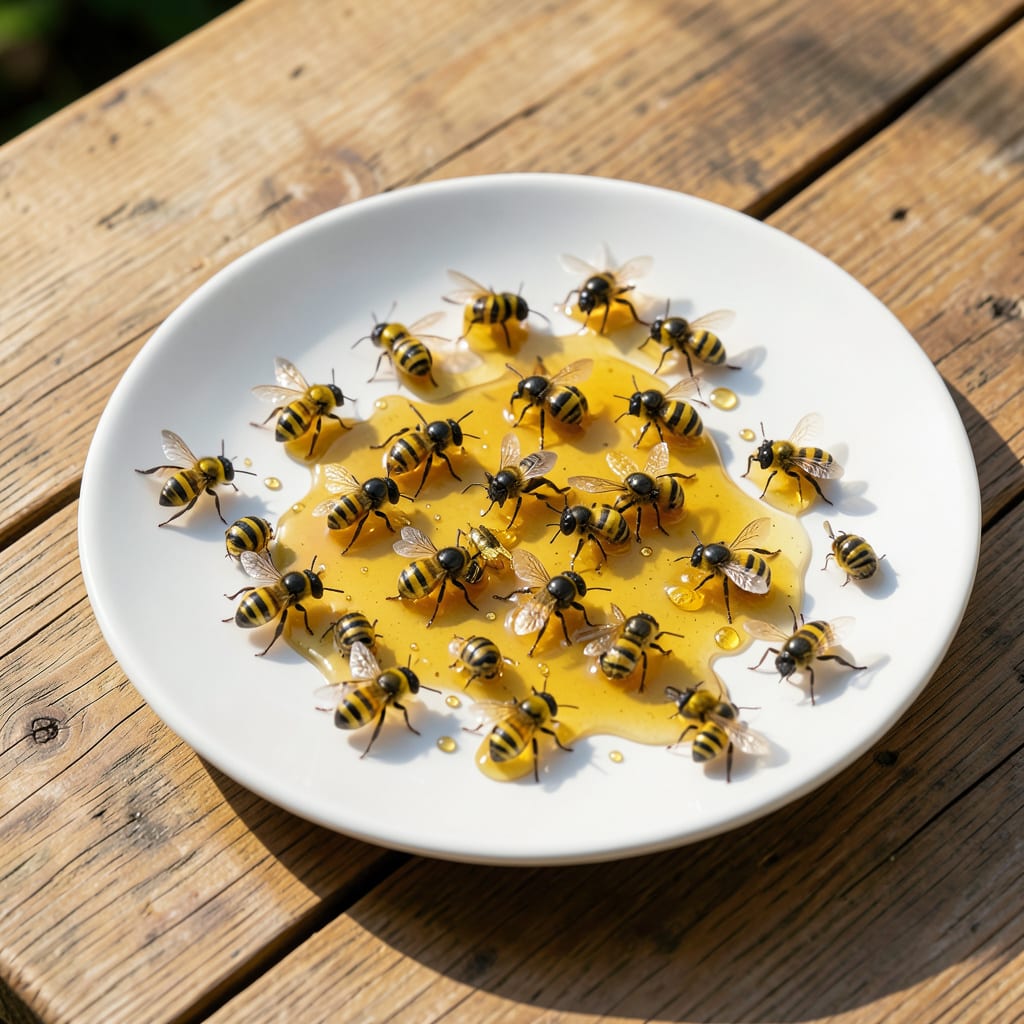
Those tiny yellow and black bees buzzing around your garden might be causing concern. I first noticed them hovering near my tomato plants last summer, and my initial reaction was pure panic.
Turns out, they’re likely sweat bees—important pollinators that help your vegetables and flowers thrive. Before reaching for sprays, take a closer look: their metallic sheen and small size are giveaways, and they rarely sting unless provoked.
If they’re becoming a nuisance near seating areas, simple changes can encourage them to relocate. Planting native flowers elsewhere in your yard often redirects their attention, and they’ll reward you with better pollination.
Observation is key—most times, these bees are doing more good than harm in your garden space.
These tiny bees are often drawn to specific environments and resources. Understanding their attractions can help you address the root of the problem.
Tiny yellow and black bees, such as Halictus species (sweat bees), are pollinators that thrive in gardens, meadows, or yards with abundant flowering plants. Dense clusters of blooms provide nectar and pollen, their primary food sources. If your property has unmanaged wildflowers or overgrown gardens, it may unintentionally invite these bees.
Unlike many bees, sweat bees are attracted to human perspiration due to its salt content. They may hover around people, pets, or damp areas like leaky faucets, birdbaths, or even sweaty outdoor furniture. Standing water or high humidity can also make your space more appealing to them.
These bees often nest in loose, sandy, or bare soil, particularly in sunny, undisturbed patches. Cracks in pavement, untreated lawns, or exposed ground near sheds and patios provide ideal nesting sites. Reducing open soil areas by adding mulch or ground cover can discourage them from settling in.
Like many insects, tiny yellow and black bees are drawn to uncovered food, sugary spills, or improperly sealed trash bins. Picnic areas, outdoor kitchens, or compost piles can be hotspots if not maintained cleanly. Regularly sanitizing these areas removes a key attractant.
Dealing with tiny yellow and black bees can be tricky, but these targeted solutions will help you reclaim your space safely and effectively.
Use peppermint oil or cinnamon to deter bees. Mix a few drops of essential oil with water in a spray bottle and apply around entry points. Prevention tip: Reapply every few days, especially after rain. 💡
Inspect your home for cracks, gaps, or open vents where bees might enter. Seal them with caulk or fine mesh screens. Prevention tip: Check for new gaps regularly, as bees can find tiny openings. ✨
If you spot a nest, do not disturb it. Instead, contact a local beekeeper or pest control expert to safely relocate the colony. Prevention tip: Avoid wearing bright colors or floral perfumes outdoors to reduce attraction. 🎯
Bees are drawn to sugary substances, open trash cans, and stagnant water. Keep food sealed, clean up spills, and eliminate standing water to discourage them. Prevention tip: Use tightly closed compost bins to avoid inviting bees. 🌡️
For large infestations, hire a pest control professional who specializes in eco-friendly removal. They can assess the situation and use targeted methods to ensure bees are removed without harm. Prevention tip: Schedule regular inspections if you live in an area prone to bee activity. 🔥
Most are harmless and rarely sting unless directly threatened. Sweat bees, for example, may land on skin but won’t attack.
They’re likely attracted to food scraps or sugary drinks. Keep food covered and clean up spills immediately.
Bees are fuzzy with shorter waists, while wasps have smooth bodies and narrow waists. Bees also carry pollen on their legs.
No, they actually help by pollinating flowers. Their presence usually means your garden is healthy.
