
Beautiful Plants For Your Interior
Beautiful Plants For Your Interior
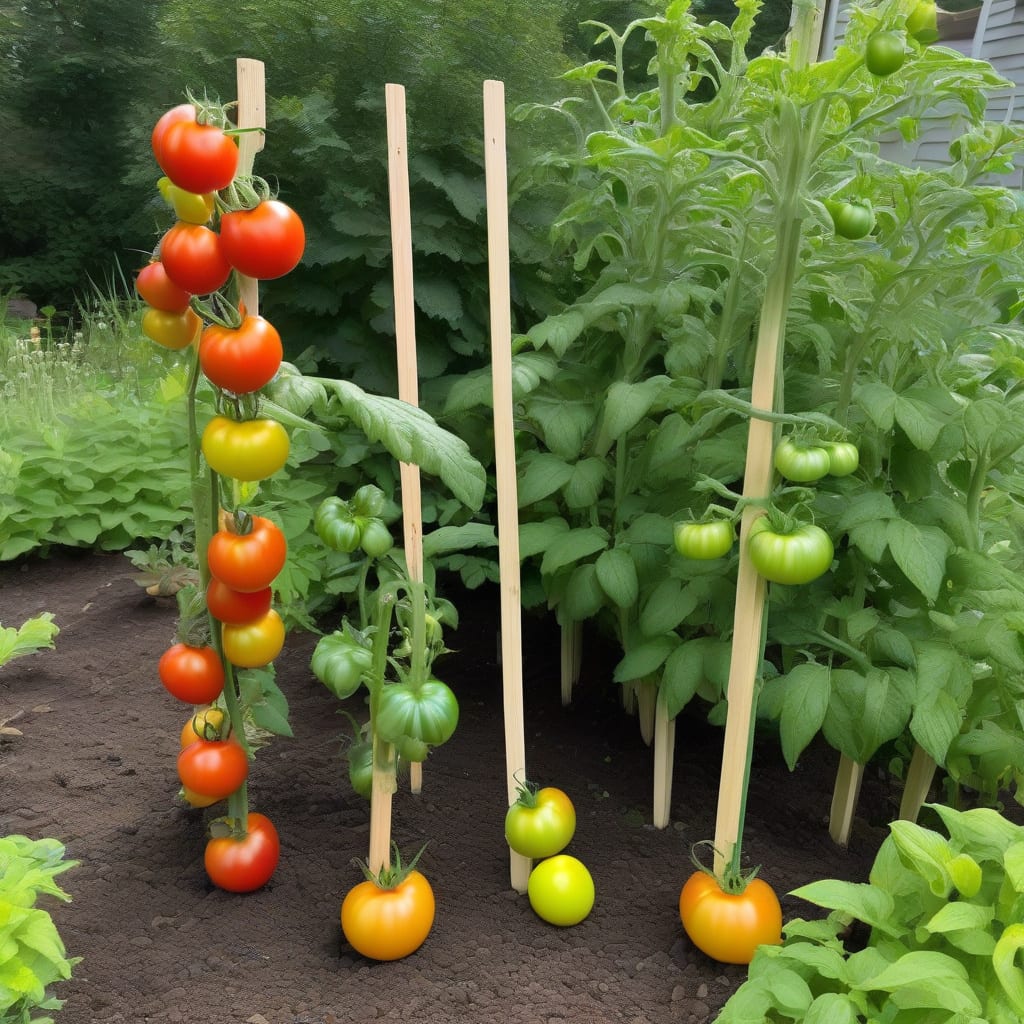
As I step into my garden, I’m greeted by the vibrant 🍅 Black Cherry Tomato plants that have become a staple in my spring harvest. These indeterminate plants are known for their vigorous growth, and understanding their height potential is crucial for maximizing yield.
Typically growing between 4-6 feet tall, Black Cherry Tomato plants require support as they mature. With proper care and pruning, these plants can thrive in USDA Zone 6, producing an abundance of delicious fruit from July to September.
Black Cherry Tomato plants are known for their vigorous growth and abundant harvests. Understanding their height potential is crucial for maximizing yield and planning garden space effectively. These plants typically grow between 4-6 feet tall, requiring proper support as they mature 🌱.
The growth pattern of Black Cherry Tomatoes is indeterminate, meaning they continue to grow and produce fruit throughout the season until the first frost. This growth habit affects their overall height and fruit production capabilities. Factors such as soil quality, sunlight exposure, and pruning practices can influence the plant’s final height and productivity.
The height of Black Cherry Tomato plants can be influenced by several factors including soil quality, pruning practices, and environmental conditions. Understanding these factors helps gardeners optimize their plant’s growth and productivity. Proper support is essential for managing the plant’s height and maximizing yield 💡.
Black Cherry Tomatoes are known for their high productivity and continuous fruiting throughout the growing season. The plants require consistent moisture and regular fertilization to support their vigorous growth and fruit production.
Gardeners can expect Black Cherry Tomato plants to grow steadily throughout the season, with most plants reaching their maximum height by mid-summer. Proper pruning and training techniques can help manage the plant’s height and improve overall yield 🌿.
The ideal growing conditions for Black Cherry Tomatoes include well-draining soil, full sun exposure, and regular watering. Gardeners should be prepared to provide support as the plants grow taller and produce more fruit.
By understanding the growth patterns and height potential of Black Cherry Tomato plants, gardeners can better plan their garden space and optimize their growing strategies for maximum yield and success 🌻.
For more information on supporting tall tomato plants, see our section on staking and trellising techniques. Additional resources on optimizing growing conditions can be found in our gardening tips section.
As Black Cherry Tomato plants grow between 4-6 feet tall, they require proper support to maximize yield and prevent damage. Providing structural support helps maintain plant health and promotes better fruit production 🌿.
There are several effective methods for supporting tall tomato plants, each with its own advantages. The most common methods include staking, caging, and trellising, which help manage plant height and improve overall garden organization.
When choosing a support method, consider the available garden space and the specific needs of your Black Cherry Tomato plants. Proper support should be installed early in the growing season to prevent plant damage and promote healthy growth 🌱.
Regular maintenance of the support system is crucial for optimal plant performance. This includes checking and adjusting stakes or cages as the plants grow, and removing any weak or damaged branches to maintain plant health 🔄.
By implementing a suitable support system, gardeners can significantly improve their Black Cherry Tomato plants’ productivity and overall health. This investment in plant support will result in a more bountiful harvest and a more organized garden space 🌻.
The key to successful tomato cultivation lies in understanding the plant’s growth habits and providing appropriate support throughout the growing season. With proper care and support, Black Cherry Tomato plants will thrive and produce an abundance of delicious fruit 🍅.
For additional tips on optimizing growing conditions, see our section on soil quality and fertilization practices. More information on pruning techniques can be found in our gardening tips section.
To maximize the growth of Black Cherry Tomato plants, which can grow between 4-6 feet tall, gardeners must optimize growing conditions. Proper care includes providing full sun exposure, maintaining consistent moisture, and ensuring well-draining soil 🌞.
Water Black Cherry Tomato plants in the morning to prevent fungal diseases and ensure deep soaking for healthy root development 💧.
The ideal sunlight for Black Cherry Tomatoes is 6+ hours of direct sunlight daily. This promotes healthy growth and maximizes fruit production. Gardeners should choose a location that receives ample sunlight throughout the day 🌻.
Soil quality plays a critical role in the growth of Black Cherry Tomato plants. The soil should be well-draining and rich in organic matter. Regular fertilization with a balanced fertilizer (10-10-10 NPK) every 2 weeks supports vigorous growth and fruit production 🌿.
Watering practices are essential for maintaining consistent moisture. Black Cherry Tomato plants require deep soaking every 3-4 days during the growing season. This encourages deep root growth and helps plants withstand dry periods ⛔️.
By focusing on these key growing conditions, gardeners can create an optimal environment for their Black Cherry Tomato plants to thrive and produce a bountiful harvest 🍅.
For more detailed information on supporting tall tomato plants, refer to our section on staking and trellising techniques. Additional tips on soil preparation and fertilization can be found in our gardening resources section.

