
Beautiful Plants For Your Interior
Beautiful Plants For Your Interior
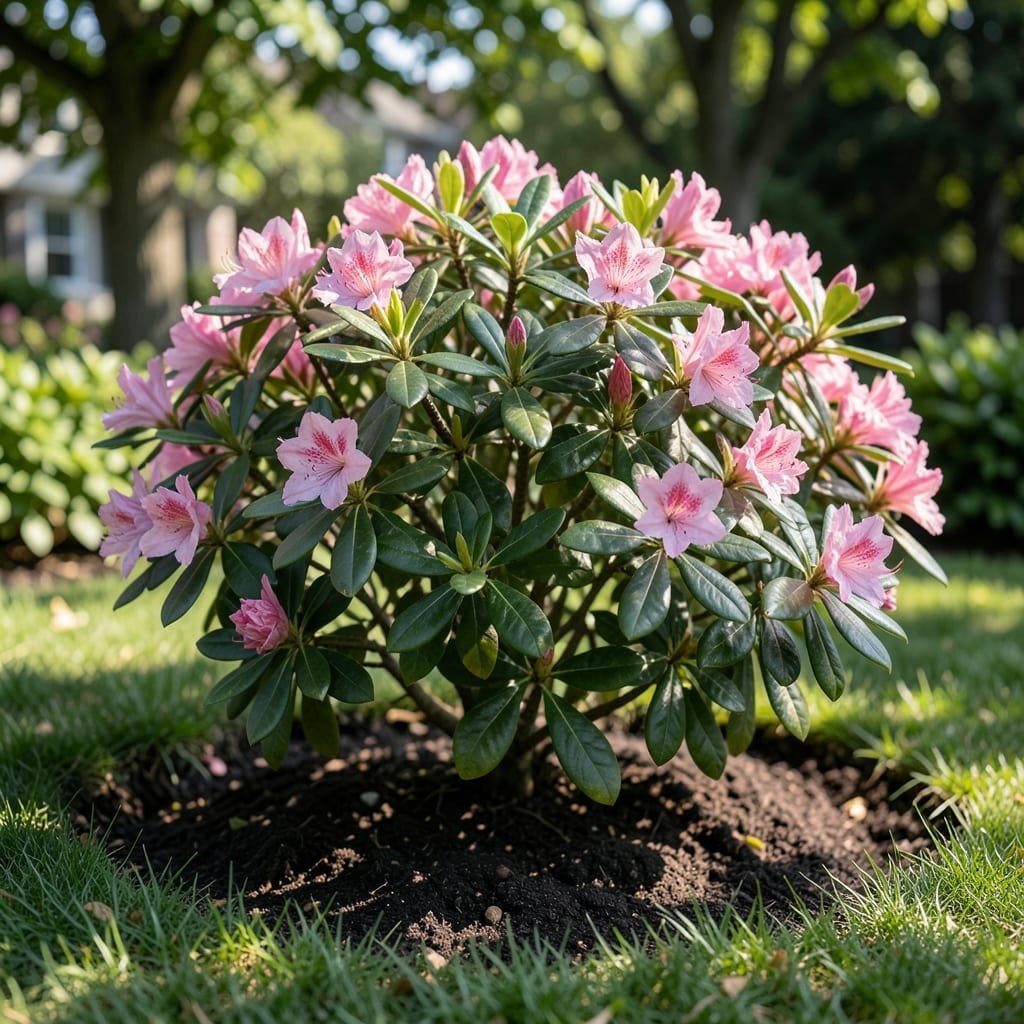
Azaleas thrive in USDA zones 6-9 with partial shade and well-draining, acidic soil rich in organic matter. Avoid full sun or soggy, alkaline conditions for optimal growth.
I’ve found these shrubs do best under tall trees where dappled light filters through, protecting their delicate leaves from harsh afternoon rays. 🌳 The acidity helps unlock essential nutrients like iron, while organic matter improves drainage and root health. In my experience, azaleas planted in these conditions reward you with vibrant blooms and lush foliage year after year.
💡 In This Article
Azaleas have evolved to thrive in forest understories where soil pH typically ranges from 4.5 to 6.0. At this acidity level, iron and other micronutrients become soluble and available for uptake.
When soil pH climbs above 6.5, these nutrients lock up chemically, leading to chlorosis—those telltale yellow leaves with green veins you might spot in struggling azaleas. ✨
The shrub’s shallow root system, often just 6-12 inches deep, makes it particularly sensitive to both drought and waterlogging. In full sun, these surface roots can overheat and dry out, while soggy conditions quickly suffocate them. Partial shade maintains the 60-70°F root zone temperature azaleas prefer, supporting healthy moisture levels without waterlogging. 🔥
Organic matter serves multiple critical functions. It improves drainage in clay soils while increasing water retention in sandy ones. More importantly, as it decomposes, it releases organic acids that naturally lower soil pH.
I’ve seen azaleas planted in pine bark mulch (which has a pH of 3.5-4.5) outperform those in regular soil by maintaining ideal acidity over time. ⚡
Leaf structure also explains the shade preference. Azalea leaves have a thin cuticle and large surface area, making them prone to water loss and sunburn. In nature, they’ve adapted to receive about 4-6 hours of filtered morning light daily—the perfect balance for photosynthesis without stress.
This is why east-facing locations or spots under tall deciduous trees often produce the most vibrant blooms. 💫
Consider the mycorrhizal relationship too. These beneficial fungi form symbiotic partnerships with azalea roots, dramatically increasing nutrient absorption efficiency. However, they only thrive in acidic, well-structured soils with plenty of organic material.
This underground network can expand the plant’s effective root system by up to 100 times, explaining why properly prepared sites yield such dramatic growth differences. 🌟
Azaleas flourish in USDA zones 6-9, where temperatures stay moderate year-round. These zones provide the right balance of warmth and cold for healthy growth and vibrant blooms.
They prefer 4-6 hours of filtered morning light with afternoon shade. Too much direct sun can scorch their delicate leaves, while too little may reduce flowering.
Yes, but clay must be amended with 2-3 inches of organic matter like peat moss or compost. This improves drainage and acidity, which are critical for root health.
Yellow leaves with green veins often signal iron deficiency caused by alkaline soil. Test your pH and amend with sulfur if it’s above 6.5 to restore nutrient uptake.
Early spring or fall works best, allowing roots to establish before extreme heat or cold. Avoid planting in summer when stress from heat and drought is highest.