
Beautiful Plants For Your Interior
Beautiful Plants For Your Interior
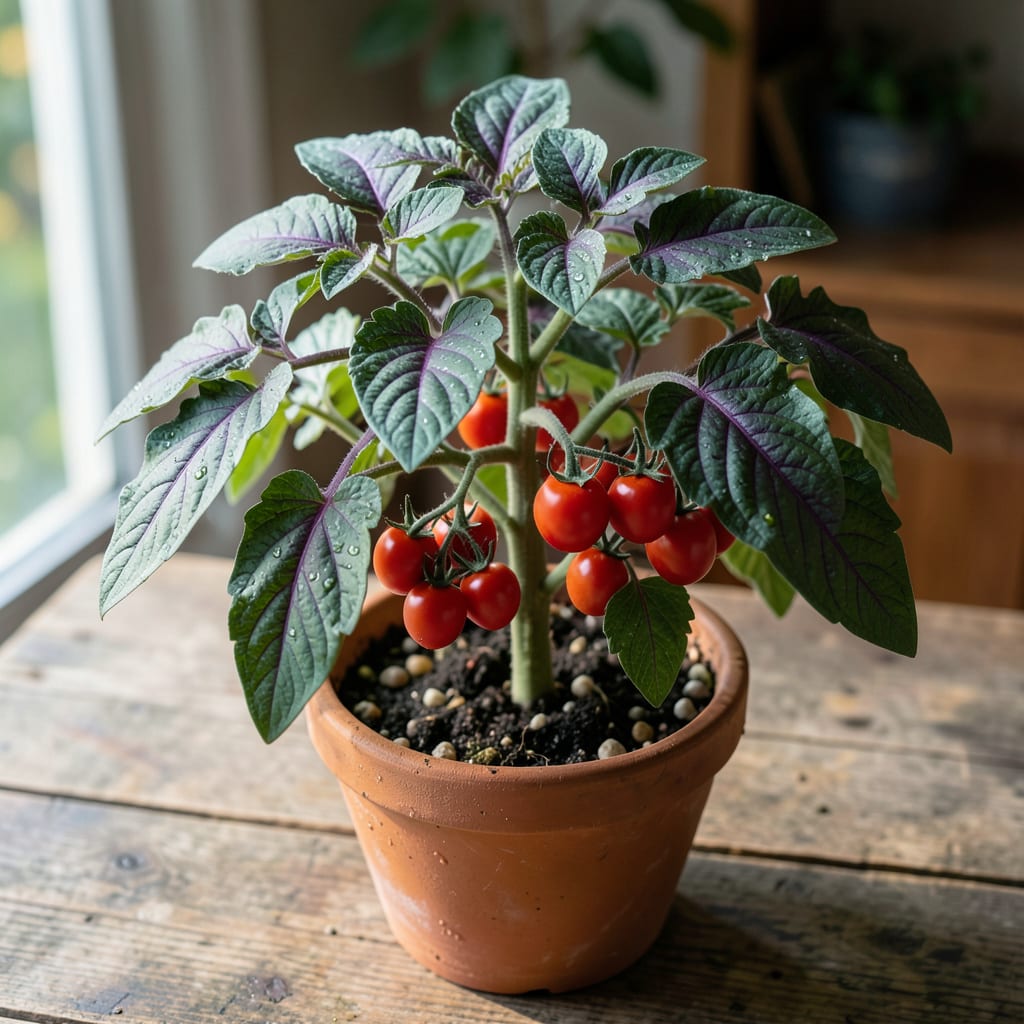
Those purple lines on your tomato leaves aren’t just pretty—they’re a warning sign. I’ve seen this happen mid-season when plants look healthy but the veins turn deep purple, especially on older leaves.
Most often it’s phosphorus deficiency, but cold soil or pH imbalances can trigger it too. The good news? This is fixable with a soil test and the right amendments. You don’t need to lose your crop over this.
Within 2-3 weeks of adjusting your soil, new growth should return to normal green. The older leaves may stay purple, but the plant recovers fast once it gets what it needs.
Prevention is simpler than cure—start with a soil test next season and keep an eye on early signs. Catching it early makes all the difference.
Purple veins on tomato leaves are a visual distress signal, often tied to underlying nutritional or environmental imbalances. Below are the most common causes, explained with actionable insight.
Phosphorus is vital for energy transfer and root development in plants. When soil lacks sufficient soluble phosphorus, tomatoes struggle to produce ATP (adenosine triphosphate), the energy currency of cells. This leads to stunted growth and purple discoloration in veins and stems, as anthocyanin pigments accumulate. Cold, waterlogged, or highly acidic soils (pH < 5.5) often exacerbate phosphorus uptake issues.
Tomatoes prefer warm soil (60–70°F). When temperatures drop below 50°F, root activity slows, and phosphorus absorption becomes inefficient—even if the nutrient is present. This temporary deficiency triggers purple veining, especially in young plants. Using black plastic mulch or raised beds can help mitigate this.
Soil pH directly affects nutrient availability. In highly acidic (pH < 5.5) or alkaline (pH > 7.5) soils, phosphorus binds with iron, aluminum, or calcium, forming insoluble compounds that roots can’t absorb. A soil test is critical—adjust pH with lime (to raise) or sulfur (to lower) for optimal phosphorus uptake.
Excess nitrogen promotes leafy growth but can outcompete phosphorus in the soil, leading to an induced deficiency. Tomatoes may show lush green foliage but develop purple veins due to the imbalance. Switch to a balanced fertilizer (e.g., 10-10-10) or organic options like bone meal to restore equilibrium.
Addressing purple veins on tomato leaves starts with identifying the root cause. Below are practical fixes for the most common issues, along with prevention tips to keep your plants thriving.
If soil tests confirm low phosphorus, amend the soil with organic matter like compost, bone meal, or worm castings. For a quick boost, use a balanced liquid fertilizer (e.g., 10-10-10) or a high-phosphorus option (e.g., 5-10-5). Apply according to package instructions, avoiding over-fertilization.
Prevention: Test soil before planting and incorporate phosphorus-rich amendments annually. Rotate crops to prevent nutrient depletion.
Tomatoes prefer a soil pH between 6.0 and 6.8. If your soil is too alkaline (pH > 7), lower it gradually with sulfur or peat moss. For acidic soil (pH < 6), add lime. Retest pH after 2–3 weeks to monitor progress.
Prevention: Test soil pH every season. Use mulch (like pine needles) to maintain acidity or wood ash to raise pH naturally.
If nighttime temperatures drop below 50°F (10°C), protect plants with row covers or cloches. Move potted tomatoes indoors or to a warmer spot. Avoid planting too early in spring.
Prevention: Harden off seedlings gradually and wait until frost risks pass. Use black plastic mulch to warm the soil.
Soggy roots limit nutrient uptake. Improve drainage by mixing in sand or perlite. Water deeply but only when the top inch of soil is dry. Use drip irrigation to avoid wetting foliage.
Prevention: Plant in raised beds if your soil is heavy clay. Ensure containers have drainage holes.
💡 Pro Tip: Combine solutions for best results—e.g., adjust pH and add phosphorus if both are issues. Healthy soil equals happy tomatoes!
It usually signals a phosphorus deficiency, but cold soil or pH imbalances can also trigger this. The purple color comes from anthocyanin pigments building up when the plant struggles to absorb nutrients.
Add bone meal or a balanced fertilizer like 10-10-10 to the soil. For quick results, use a liquid fertilizer high in phosphorus. Always test your soil first to confirm the deficiency.
Older leaves may stay purple, but new growth should return to green within 2-3 weeks after correcting the issue. The plant can recover fully with the right care.
