
Beautiful Plants For Your Interior
Beautiful Plants For Your Interior
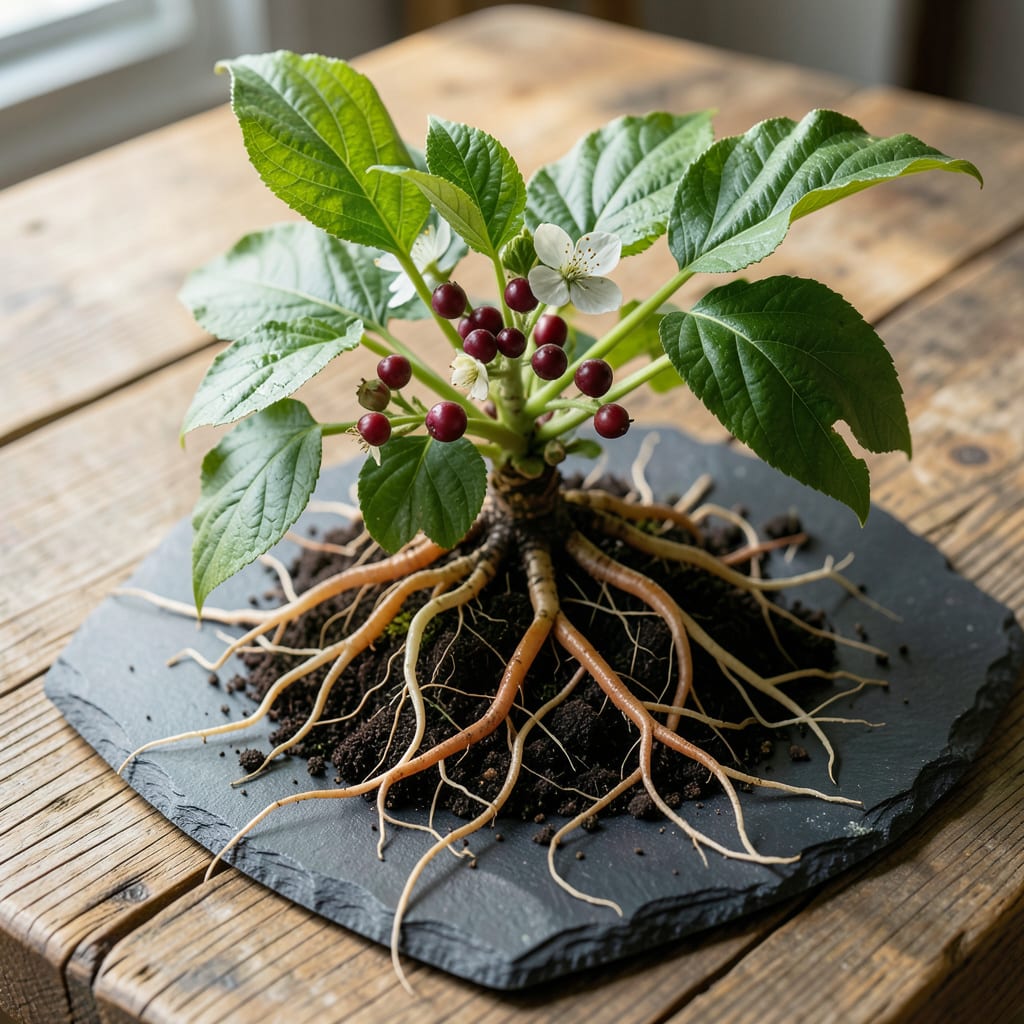
Every thriving plant relies on two powerhouses below and above soil. I’ve watched gardens transform when both systems get equal attention.
Above ground, shoots handle sunlight and reproduction. Below, roots anchor and absorb. Nurture both, and you’ll see vibrant growth that handles stress, pests, and drought like a champ. No guesswork—just healthy plants, season after season.
📚 In This Guide
Here’s how I nurture both parts of your plants for balanced, vigorous growth every time.
The shoot system—stems, leaves, flowers, and fruit—is your plant’s engine for photosynthesis and reproduction. It thrives in full sun to partial shade, depending on the species, and requires consistent access to light to produce energy. I always position plants so their shoots receive 6-8 hours of direct sunlight daily for optimal growth.
Check the color and orientation of leaves regularly. Pale or yellowing leaves often signal insufficient light or nutrients, while leaves pointing downward may indicate overwatering. The shoot system also needs proper air circulation to prevent fungal diseases, so avoid crowding plants too closely together.
The root system anchors the plant and absorbs water and nutrients from the soil. For healthy roots, ensure your soil is well-draining yet retains enough moisture to keep roots hydrated. I use a mix with 30% perlite or sand to improve drainage, especially for plants prone to root rot like succulents or herbs.
Roots grow best in 60-75°F soil temperatures. If your climate has cool springs, consider using black plastic mulch or a heat mat to warm the soil. Avoid compacting the soil around the roots, as this restricts their ability to spread and access oxygen. Healthy roots should appear white and firm, not brown or mushy.
Watering affects both systems differently. The shoot system benefits from foliar hydration in hot weather, but the root system needs deep, infrequent watering to encourage downward growth. I water at the base of the plant with 1-2 inches per week, adjusting for rainfall and soil type.
Overwatering suffocates roots and leads to wilting shoots, while underwatering stresses both systems. Stick your finger 1-2 inches into the soil—if it feels dry, it’s time to water. Use room-temperature water to avoid shocking the root system, and water in the early morning to reduce evaporation.
The shoot system relies on nitrogen for leafy growth, while the root system benefits from phosphorus and potassium. I apply a balanced 10-10-10 fertilizer every 4-6 weeks during the growing season, but switch to a low-nitrogen formula in late summer to encourage root development before dormancy.
For organic options, compost tea or fish emulsion provides gentle, consistent nutrition. Always follow label instructions—over-fertilizing can burn roots and cause excessive, weak shoot growth. Yellowing lower leaves often signal a nitrogen deficiency, while stunted growth may indicate a lack of phosphorus.
As seasons shift, so do the needs of both systems. In early spring, focus on warming the soil for root activity while protecting new shoots from late frosts. During summer, prioritize consistent moisture and shade for shoots during heatwaves, ensuring roots stay cool with mulch.
In fall, reduce watering as growth slows, but keep an eye on shoots for signs of stress. Prune back dead or damaged shoots to redirect energy to root storage before winter. Healthy plants entering dormancy have firm shoots and plump roots, ready to regrow vigorously next season.
These insights will help you avoid common pitfalls and achieve thriving plants.
Sunlight Optimization: In Step 1, the 6-8 hours of direct sunlight daily isn’t just a suggestion—it’s critical for photosynthesis. If your plants aren’t getting this minimum, consider relocating them or supplementing with grow lights. I’ve seen dramatic improvements in leaf color and growth rates when plants hit this sunlight target consistently.
Soil Temperature Insight: The 60-75°F soil temperature range mentioned in Step 2 is ideal for root activity. If your climate runs cooler, those black plastic mulch or heat mat suggestions aren’t just helpful—they’re game-changers. Roots simply won’t absorb nutrients efficiently outside this temperature window.
Watering Precision: That 1-2 inches per week from Step 3 might seem like a broad range, but it’s intentional. Sandy soils need the higher end, while clay soils thrive with less. The finger test (pushing 1-2 inches into the soil) is your best guide—moisture levels can vary dramatically even within the same garden bed.
Seasonal Transition Tip: The shift from summer to fall care in Step 5 is more critical than many realize. When you reduce watering as growth slows, you’re not just conserving water—you’re preventing root rot and encouraging plants to harden off for winter. I always mark my calendar for this transition.
The shoot system (leaves, stems) absorbs sunlight for photosynthesis, while the root system (roots, rhizomes) absorbs water and nutrients. They collaborate to fuel growth, with shoots sending sugars downward and roots supplying essential resources upward.
Check roots during early spring or late fall when plants are dormant. Gently dig around the base to assess health—white, firm roots mean vitality, while brown or mushy roots signal rot or disease.
Yes, but growth slows. If leaves or stems are damaged, the root system can still sustain the plant temporarily. Prune affected areas and ensure healthy roots to support regrowth.
Use well-draining soil, water deeply but infrequently, and apply root-boosting fertilizers. Avoid overwatering, which suffocates roots, and consider mycorrhizal fungi to enhance nutrient uptake.
