
Beautiful Plants For Your Interior
Beautiful Plants For Your Interior
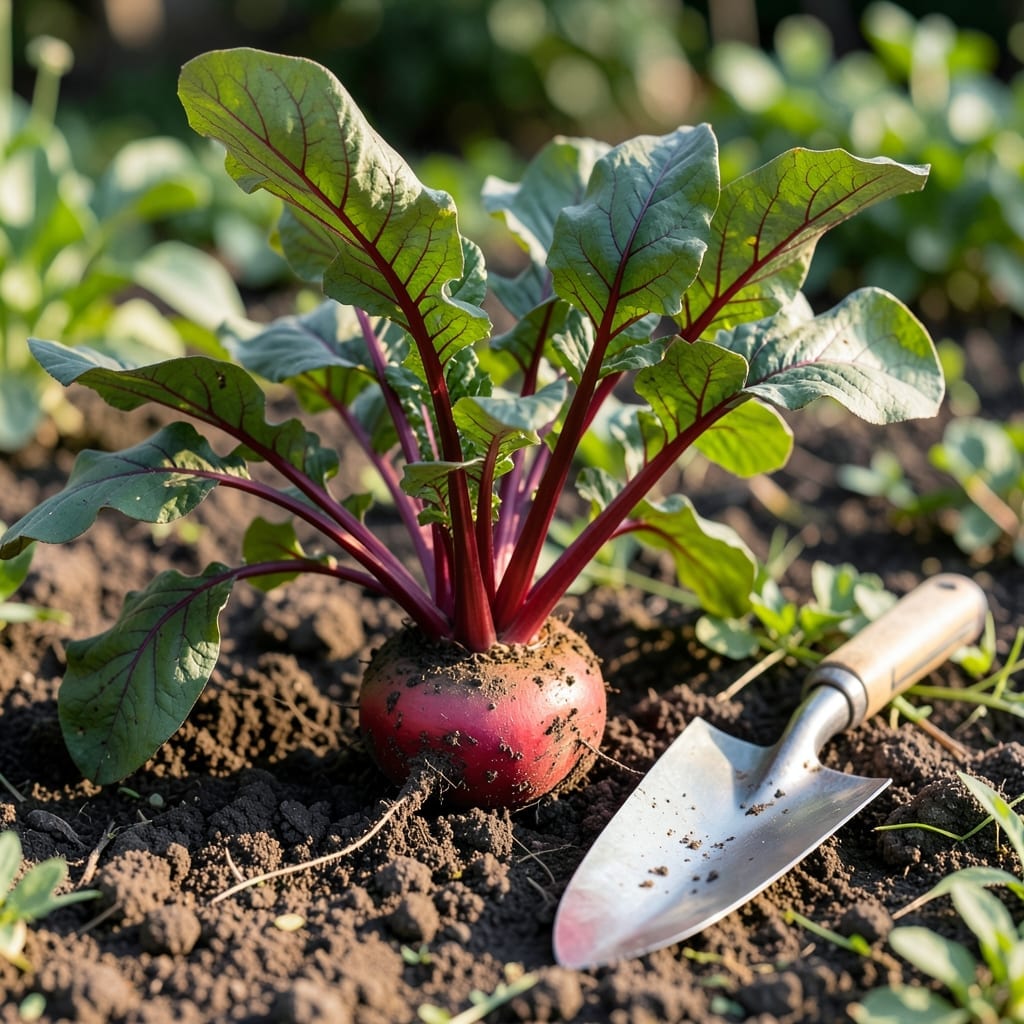
Yes, beetroot can turn urine pink or red due to betalain pigments not fully broken down during digestion, a harmless condition called beeturia that affects about 10-14% of people.
This happens because the vibrant compounds in beets pass through your system without being fully metabolized. I’ve noticed the effect can last up to 48 hours depending on hydration and individual metabolism. What’s fascinating is that genetic variations influence how your body processes these pigments, which explains why not everyone experiences it. 🔥
💡 In This Article
Beetroot contains betalain pigments, specifically betacyanins (red) and betaxanthins (yellow), which give beets their vibrant color. These compounds are normally broken down in the stomach and intestines, but in some individuals, up to 15% of the pigments pass unchanged into the urinary system.
This is due to variations in gut bacteria and enzyme activity that affect pigment metabolism. 🔥
The color change typically appears 2-4 hours after consumption and can last up to 48 hours, depending on hydration levels and kidney function. The intensity varies from pale pink to deep red, correlating with the amount of beets eaten and the individual’s metabolic rate.
Studies show that cooking beets reduces betalain content by 25-30%, but raw beet juice produces the most pronounced urine coloration. ✨
Genetics play a significant role in beeturia. Research identifies a specific gene variant (SLC22A13) that affects the body’s ability to process betalains. People with this variant are more likely to experience visible urine color changes. The phenomenon is completely harmless and doesn’t indicate any underlying health issues.
The pigments are simply being excreted naturally through urine. 💫
Interestingly, the pH of your urine can influence the shade you see. More acidic urine tends to produce a brighter red color, while alkaline urine may result in a pinker hue. This explains why the same person might notice different shades at different times.
The color change is most noticeable after consuming 200-500ml of beet juice or 1-2 cups of cooked beets. ⚡
What most people don’t realize is that beeturia serves as a natural indicator of your body’s processing efficiency. The faster you see the color change, the more efficiently your digestive system is handling the pigments. This is why athletes sometimes monitor beeturia to gauge their metabolic rate after consuming beet-based sports supplements. 🌟
About 10-14% of people experience beeturia due to genetic variations in how their bodies process betalain pigments. Those with a specific gene variant (SLC22A13) are more likely to see the color change.
The pink or red hue typically appears 2-4 hours after eating beets and fades within 48 hours. Drinking plenty of water helps speed up the process.
Yes, cooking reduces betalain content by 25-30%, so raw beet juice produces a more pronounced color change. Still, both raw and cooked beets can cause beeturia.
Dehydration concentrates urine, which can make the pink or red color more noticeable. Staying hydrated helps dilute the pigments.