
Beautiful Plants For Your Interior
Beautiful Plants For Your Interior
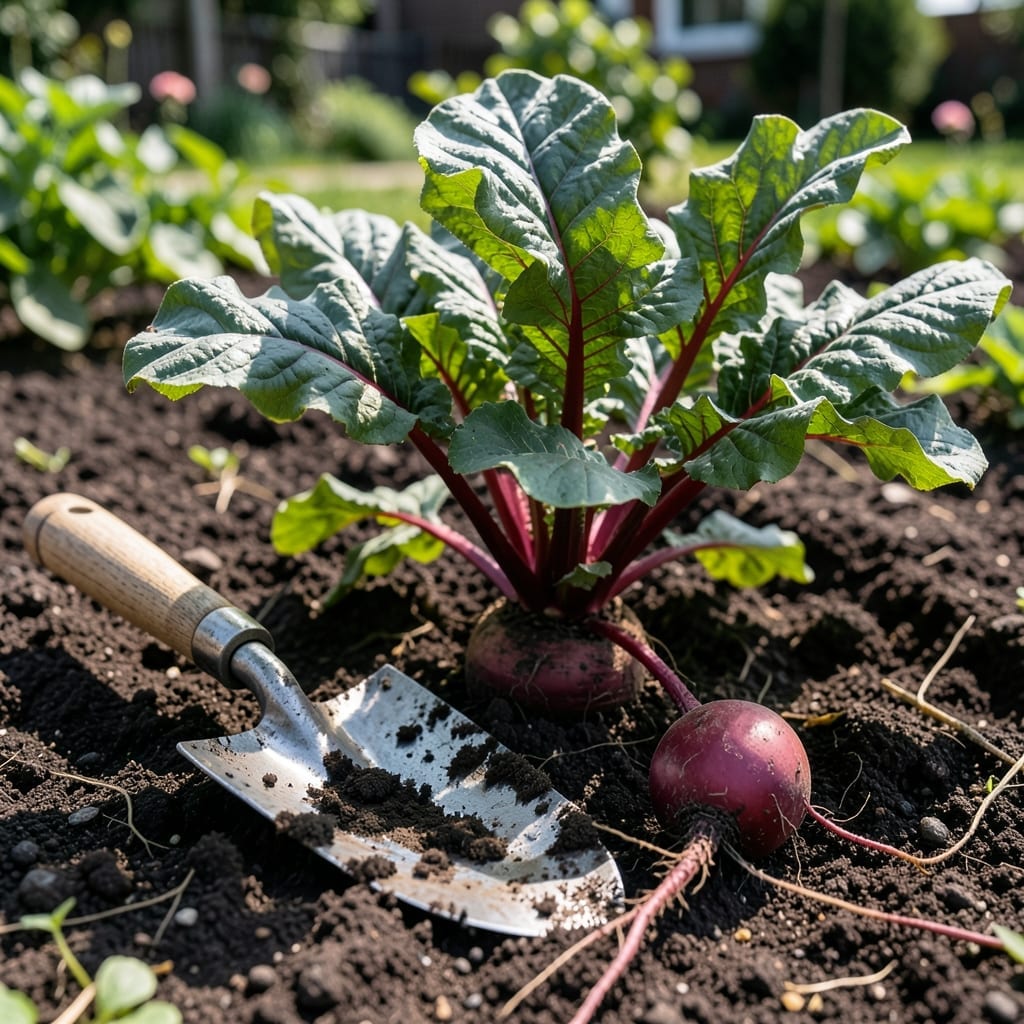
Beetroot can turn urine pink or red due to betalain pigments, which are natural compounds in the vegetable. This harmless effect appears in about 10-14% of people and typically fades within 48 hours.
I see this color shift as a fascinating quirk of digestion, where the vibrant betalains in beets pass through the body mostly intact. 🔥 Your urine’s hue can vary from pale pink to deep red, depending on how much you ate and your hydration levels. What’s wild is that this only happens in some people—it’s like a genetic lottery for a temporary, harmless rainbow effect.
💡 In This Article
The vibrant red and purple hues in beetroot come from betalain pigments, specifically betacyanins and betaxanthins. These compounds are water-soluble and remarkably stable, which means they can survive the digestive process in some individuals without breaking down. Unlike many other plant pigments, betalains don’t always metabolize completely in the gut. 🔥
In about 10-14% of the population, these pigments pass through the digestive tract and into the urinary system largely intact. This happens because their molecular structure resists enzyme degradation in the stomach and intestines. The result?
Your kidneys filter them out, giving urine a temporary pink, red, or even purple tint that can last for 12-48 hours after consumption. ✨
Several factors influence how visible this effect becomes. Hydration levels play a big role—diluted urine appears pale pink, while concentrated urine can look deep red. Stomach acidity also matters; lower acidity (pH above 3.5) reduces pigment breakdown.
Even the amount eaten makes a difference: a single 8 oz serving may cause subtle changes, while a large beet salad can produce dramatic color shifts. 💫
Genetics are the wild card here. Some people naturally produce more of the enzymes that break down betalains, while others don’t. This genetic variation explains why two people can eat the same beet dish, yet only one experiences the colorful aftermath. The pigments are completely harmless and don’t indicate any health issues. 🌟
Interestingly, betalains aren’t just responsible for urine color—they’re also powerful antioxidants. These same pigments that create the visual effect are being studied for their potential to reduce inflammation and support heart health. So while the color change might seem odd, it’s actually a sign of beneficial compounds at work in your body. ⚡
Typically 12-48 hours after eating beetroot. The pigments flush out as your kidneys process them. Drinking plenty of water can help speed up the process.
About 10-14% of people experience this due to genetic differences in how their bodies process betalains. Others metabolize these pigments completely before they reach the urine.
Yes! Less water means more concentrated urine, so the red or pink hue appears more intense. Staying hydrated dilutes the color significantly.
Not really—it’s a natural reaction to betalains. You’d have to avoid beetroot entirely. The good news? It’s completely harmless and actually a sign of beneficial antioxidants.