
Beautiful Plants For Your Interior
Beautiful Plants For Your Interior
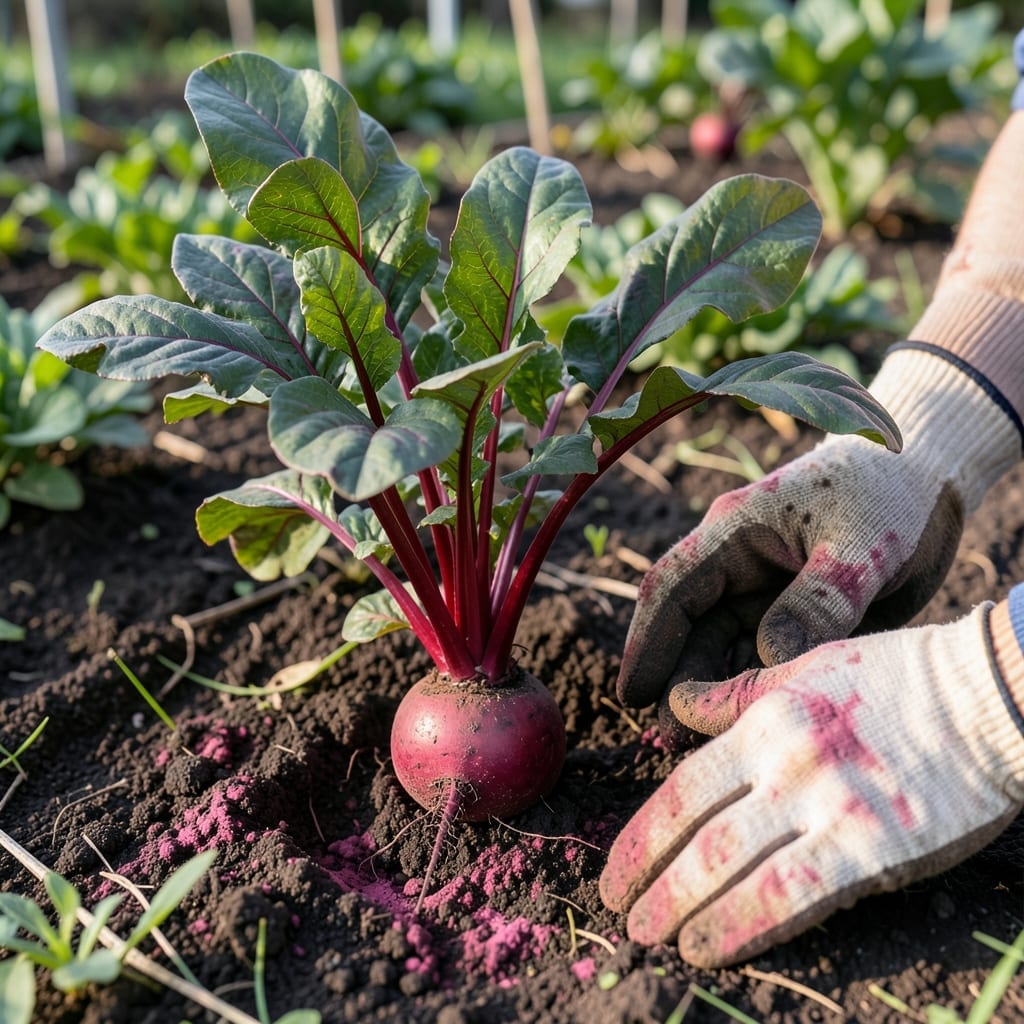
Pink or red urine after eating beets is usually harmless, caused by betalain pigments in the vegetable. It appears in about 10-14% of people and typically fades within 48 hours.
This reaction, called beeturia, happens because some bodies absorb and excrete these natural pigments differently. The color change is most noticeable with raw or concentrated beet products. ✨
While completely normal for many, I always recommend checking with a doctor if the discoloration persists beyond 2 days or comes with other symptoms. This helps rule out unrelated conditions that might cause similar effects. 💫
💡 In This Article
The vibrant red and yellow pigments in beets, called betalains, are water-soluble compounds that your body absorbs during digestion. Unlike many other plant pigments, betalains aren’t completely broken down by stomach acid or digestive enzymes. About 5-15% of the population has a genetic variation that slows the breakdown of these pigments. 🔥
Once absorbed, betalains travel through your bloodstream and are filtered by your kidneys. The pigments then pass into your urine, giving it that characteristic pink or red hue. This process typically begins 2-4 hours after eating beets and can last up to 48 hours, depending on your hydration level and how much you ate.
Your urine’s acidity plays a role too. More acidic urine (pH below 6.0) tends to produce a redder color, while alkaline urine (pH above 7.0) may appear more pink or orange. This explains why the color can vary between individuals or even in the same person at different times. ✨
The amount of beets consumed matters as well. A small serving might produce no noticeable change, while a large beet salad or juice can create a dramatic color shift. I’ve seen my urine turn deep red after drinking 16 oz of fresh beet juice, while a single cooked beet had no effect.
The pigments are more concentrated in raw beets and juices.
This phenomenon is completely harmless for most people. The betalains that cause the color change are non-toxic and simply pass through your system. Your body eliminates them naturally as your kidneys continue filtering your blood. 💫
About 10-14% of people experience this due to a genetic variation affecting how their bodies process betalain pigments. Others may simply have more acidic urine, which intensifies the color.
It typically appears 2-4 hours after eating beets and fades within 48 hours. Drinking plenty of water can help flush the pigments out faster.
Yes, cooking can reduce the intensity since heat breaks down some pigments. Raw beets or concentrated juices are more likely to cause noticeable discoloration.
Blackberries, rhubarb, and certain food dyes can also temporarily change urine color. But beeturia is uniquely tied to beets’ betalain compounds.