
Beautiful Plants For Your Interior
Beautiful Plants For Your Interior
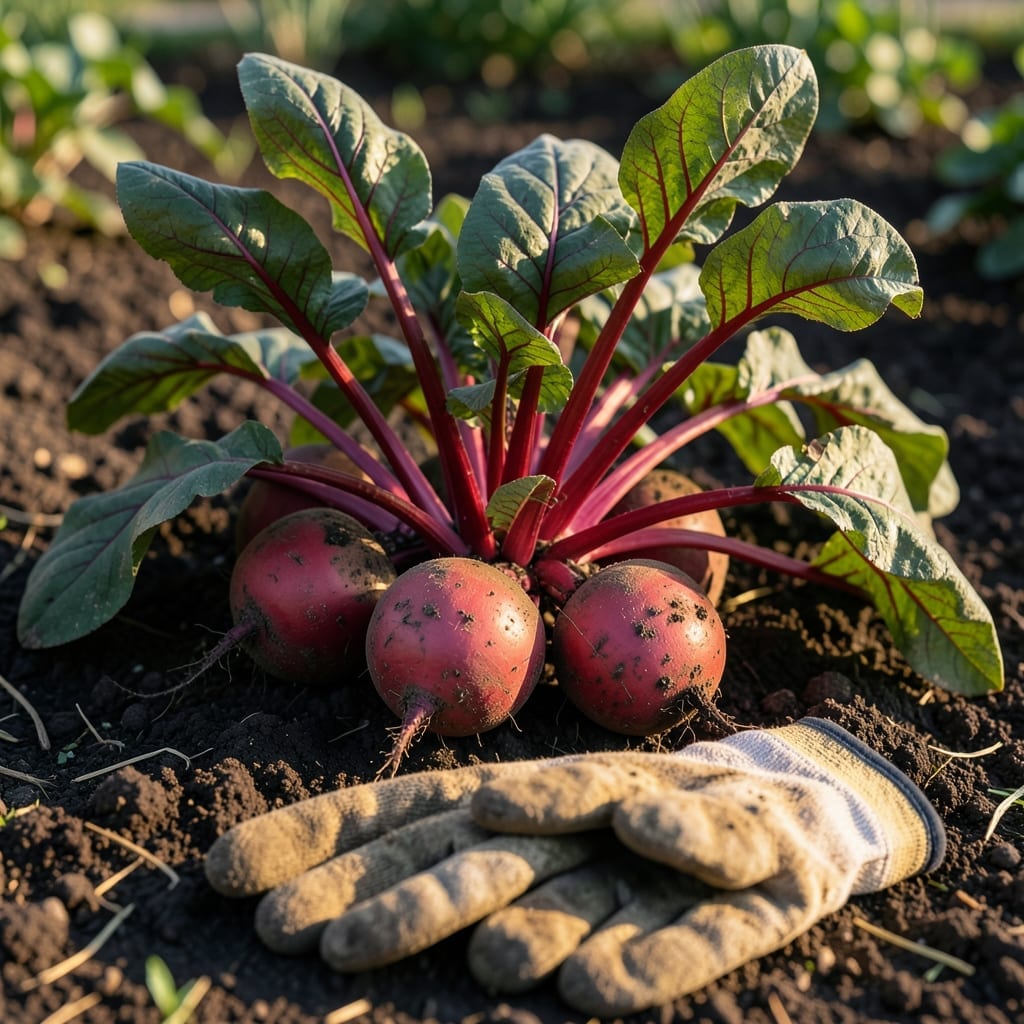
Beet-induced urine color change typically lasts 24 to 48 hours after consumption. This harmless condition, called beeturia, varies by individual metabolism and hydration levels.
I notice this pink or red tint most often when I’ve eaten a large serving of beets, especially raw or juiced. The pigments, called betalains, pass through the digestive system at different rates depending on stomach acidity and kidney efficiency. Staying well-hydrated can help flush them out faster, while dehydration might extend the effect slightly. ✨
💡 In This Article
The vibrant red or pink hue comes from betalain pigments, water-soluble compounds that give beets their deep color. Unlike many plant pigments, betalains aren’t fully broken down during digestion. About 5-15% pass through unchanged, entering the urinary system where they’re filtered by the kidneys.
This process typically begins 2-8 hours after eating beets, as digestion and absorption rates vary. 🔥
Your body’s hydration level directly impacts how quickly these pigments exit. With adequate water intake (6-8 glasses daily), urine production increases, flushing betalains out faster. In contrast, low hydration concentrates urine, potentially extending the color change to 72 hours in some cases.
Kidney efficiency also plays a role—healthier kidneys process and excrete these compounds more rapidly. ✨
Stomach acidity affects pigment absorption too. Higher acid levels (pH <3) can degrade more betalains, while lower acidity allows more to pass through. This explains why some people experience more intense color changes than others after eating the same amount.
The volume consumed matters as well—1 cup of beet juice contains far more pigments than ½ cup of cooked beets. 💫
Certain medications can alter this timeline. Antacids, for example, reduce stomach acid, potentially increasing the duration of beeturia. Similarly, individuals with iron deficiency may experience more pronounced and longer-lasting color changes, as iron helps break down these pigments during digestion. ⚡
Age factors in too. Children and older adults often process betalains more slowly due to differences in metabolic rates and kidney function. In these groups, the color change might persist at the upper end of the 24-48 hour range more consistently than in healthy young adults. 🌟
It’s caused by betalain pigments in beets that aren’t fully broken down during digestion. These compounds pass through your system and are excreted in urine, creating the pink or red tint. About 5-15% of these pigments remain unchanged.
Yes! Staying hydrated increases urine production, which helps flush out the pigments faster. Aim for 6-8 glasses daily to potentially reduce the duration from 48 hours to closer to 24 hours.
Cooking can slightly reduce the intensity since heat breaks down some pigments. However, the timeline remains similar—24-48 hours for most people. Raw or juiced beets often produce a more noticeable color change.
If the color persists beyond 72 hours or is accompanied by pain, fever, or other symptoms, consult a doctor. Beeturia alone should never cause discomfort or last more than a few days.