
Beautiful Plants For Your Interior
Beautiful Plants For Your Interior
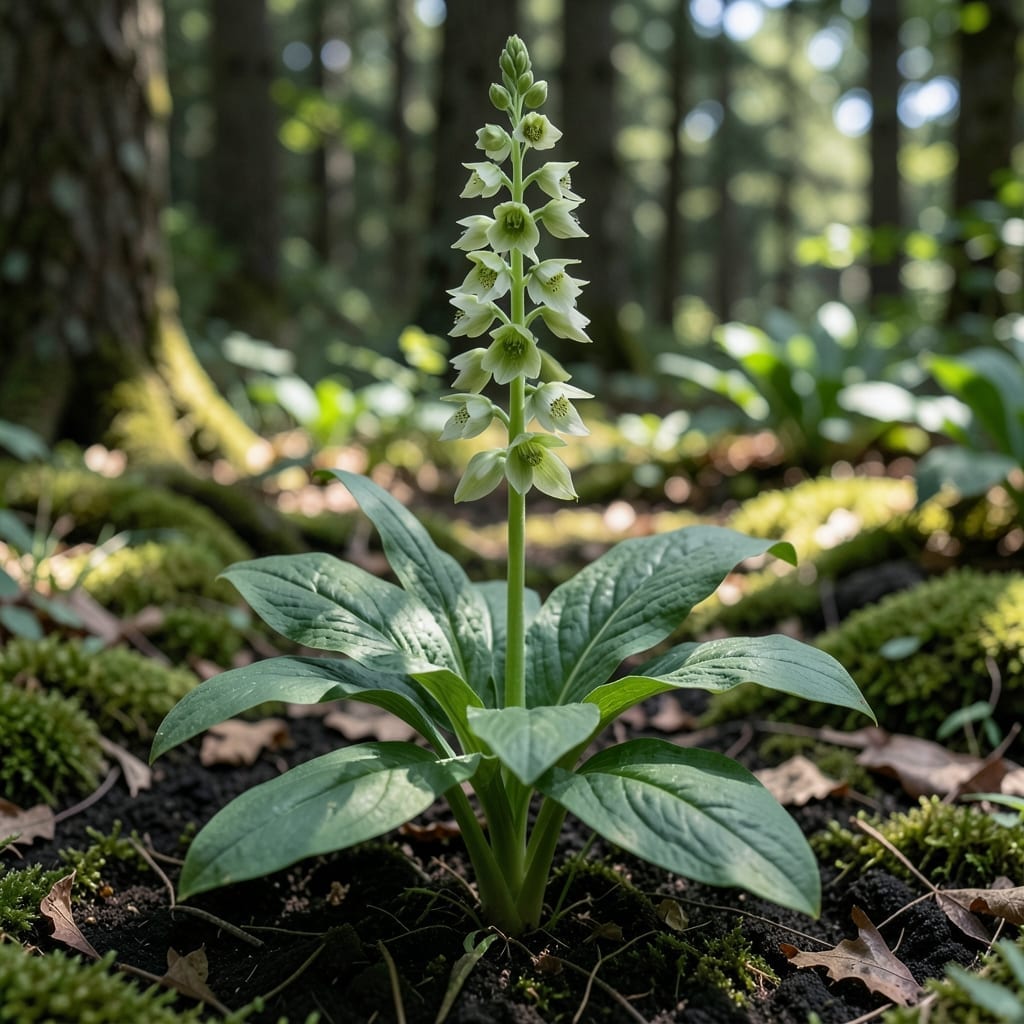
Broad-leaved helleborine is considered invasive in some regions, spreading aggressively in wooded areas and outcompeting native plants due to its adaptability and lack of natural predators.
I’ve seen this plant thrive in shaded forests where native species struggle, thanks to its efficient rhizome network and ability to tolerate low light. Its success often stems from disturbed soils, like those in cleared woodlands, where it quickly establishes dominance. This resilience makes it a challenge for conservation efforts aiming to restore native biodiversity. ⚡
💡 In This Article
This orchid spreads primarily through wind-dispersed seeds, which can travel up to 30 feet from the parent plant. Each seed capsule contains thousands of microscopic seeds that germinate readily in moist, shaded environments, giving it a head start over slower-growing native species. 🔥
The plant’s rhizome system grows horizontally beneath the soil, producing new shoots at intervals. These underground stems can extend 1-2 meters in a single season, creating dense colonies that monopolize water and nutrients. The shade tolerance allows it to thrive in forest understories where sunlight is limited.
Disturbed soils from logging or construction provide perfect conditions for establishment. Unlike many native plants that require specific soil microbiomes, broad-leaved helleborine adapts to a wide pH range (5.0-7.5). This versatility lets it colonize areas where other plants struggle to take root. ✨
What makes it particularly invasive is its lack of natural predators in non-native regions. In its European homeland, specific fungi and insects control its spread, but these regulators are absent in North American forests, allowing unchecked proliferation.
Once established, the plant forms thick mats that block sunlight from reaching the forest floor. This creates a monoculture that excludes native wildflowers and tree seedlings, reducing biodiversity. Conservationists note that infestations can reduce native plant diversity by 40-60% in affected areas. 💫
Under ideal conditions, it can spread 3-5 feet per year through rhizomes. In disturbed forests, dense colonies may form within 2-3 seasons, crowding out native vegetation.
Its extensive rhizome network regrows from tiny fragments, and seeds remain viable for years. Unlike annual invasives, it persists through dormancy and adapts to various soil types.
No. Even small rhizome pieces can regrow. Dispose of all plant material in sealed bags to prevent re-infestation. Never compost invasive species.
Fast-spreading natives like wild ginger or foamflower work well. Plant these immediately after removal to block new growth.