
Beautiful Plants For Your Interior
Beautiful Plants For Your Interior
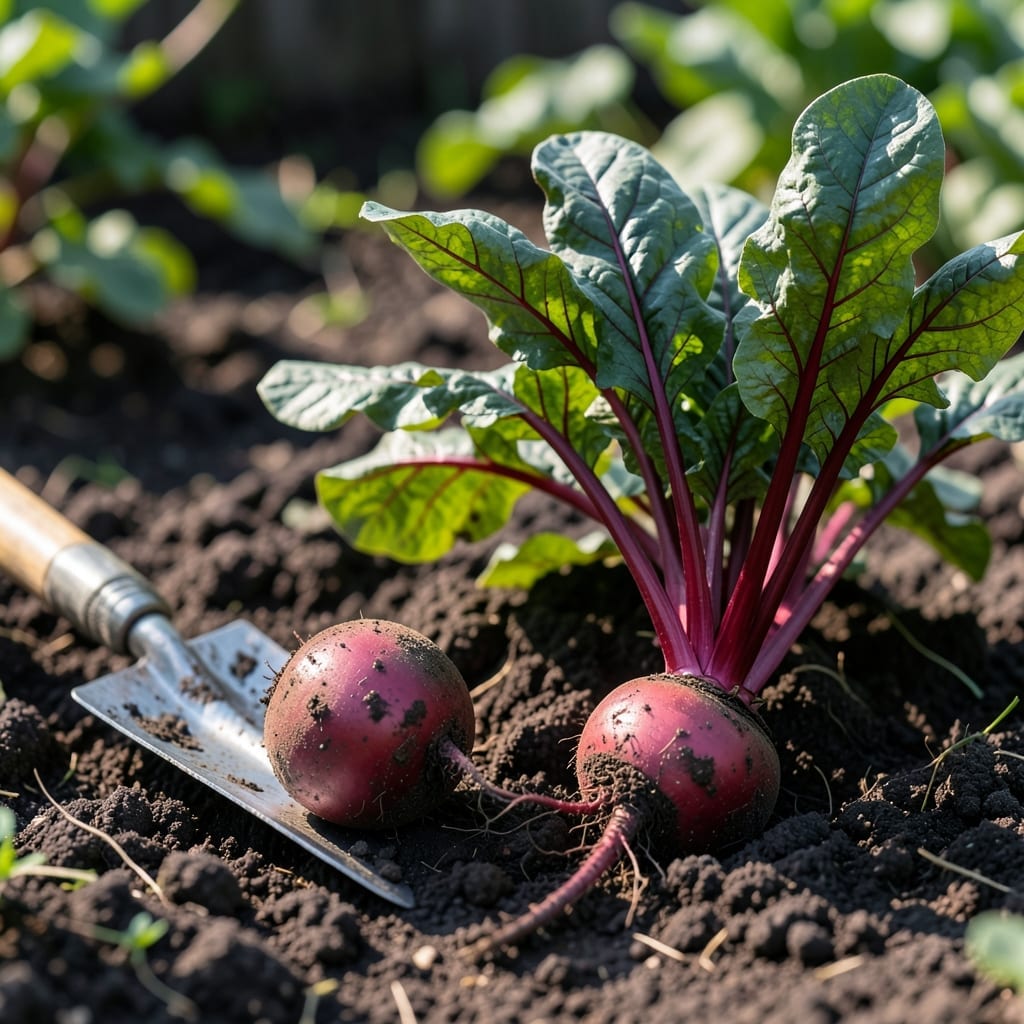
Yes, beetroot can turn urine pink or red due to betalain pigments, which are harmless and pass through the body unchanged in some individuals.
This happens because about 10-15% of people have a genetic variation that prevents full breakdown of these vibrant compounds. 🔥 I’ve noticed it’s more noticeable after consuming raw beets or large quantities. The color typically appears within 2-8 hours and fades completely within 1-2 days, confirming it’s just your body processing the natural pigments efficiently.
💡 In This Article
The phenomenon, called beeturia, stems from betalain pigments—specifically betacyanins (red) and betaxanthins (yellow) in beets. These water-soluble compounds resist breakdown in some digestive systems. When absorbed intact, they travel through the kidneys and exit via urine, creating that telltale pink or red hue. 🔥
About 10-14% of people experience this due to genetic variations in gut enzymes. Those with lower stomach acidity or faster gut transit times are more likely to see the effect. The color intensity depends on beet quantity, preparation method (raw beets release more pigments), and individual metabolism.
Raw beet juice often produces the most dramatic color change.
What’s fascinating is the timing: color typically appears 2-8 hours after consumption and fades within 1-2 days. The shade can range from pale pink to deep red, sometimes startling those who don’t know the cause. The pigments are completely harmless and serve as natural antioxidants in the body. ✨
Interestingly, this same pigment family gives Swiss chard and dragon fruit their vibrant colors. Beeturia is more noticeable in people with iron deficiency or those taking certain medications that affect pigment absorption. The effect is temporary and requires no medical attention unless accompanied by other symptoms. 💫
You can test this by eating 1-2 cups of raw beets on an empty stomach. The color change confirms your body processes betalains differently than most people. This harmless variation actually indicates your digestive system is efficiently absorbing these beneficial plant compounds. ⚡
About 10-14% of people have a genetic variation affecting gut enzymes that break down betalains. Those with lower stomach acidity or faster digestion are more likely to see the effect. It’s a harmless difference in how bodies process these natural pigments.
The pink or red hue typically appears within 2-8 hours after eating beets and fades completely within 1-2 days. The timing depends on your metabolism and how much you consumed.
Raw beets often produce more dramatic color changes because cooking can break down some pigments. Beet juice typically creates the strongest effect. The preparation method influences how much betalain your body absorbs intact.
Yes. Some medications that affect stomach acid or gut transit time can make beeturia more apparent. Iron supplements may also enhance the color change in some individuals. Always check with your doctor about medication interactions.