
Beautiful Plants For Your Interior
Beautiful Plants For Your Interior
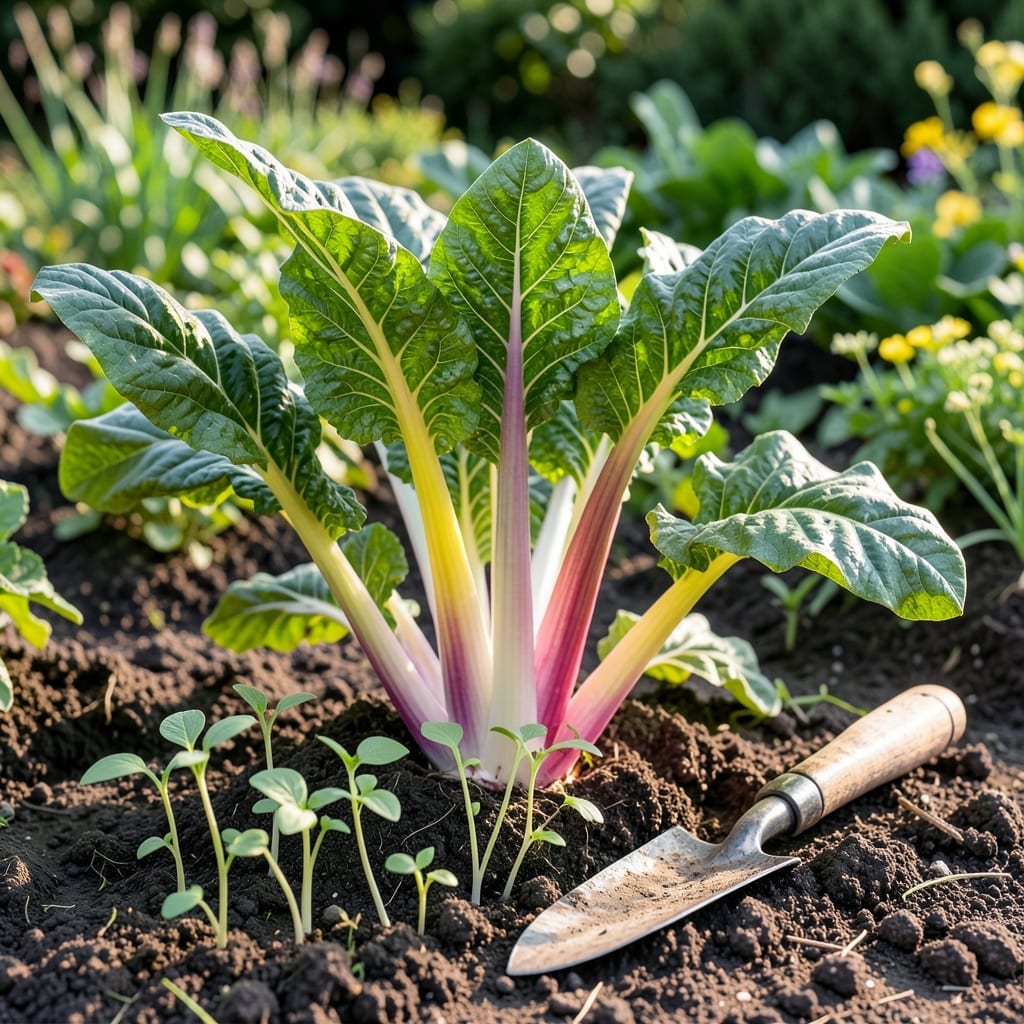
Timing is everything when it comes to growing Swiss Chard 🥬 in The South. Plant too early, and frost might ruin your crop. Wait too long, and the summer heat could send it bolting prematurely.
I’ve tested different planting windows in zones 7-9, and the results can make or break your harvest. The good news? There are two prime opportunities each year to get it right.
Whether you’re aiming for a spring or fall harvest, understanding these seasonal rhythms is the key to success. I’ll walk you through the best times to plant so you can enjoy fresh greens for months.
Discover how to align your planting schedule with nature’s calendar for thriving Swiss Chard. The difference is in the details.
In the southern US, Swiss chard thrives when planted in cool seasons. I’ve found the best windows are early spring and late summer for fall harvests. This timing avoids extreme heat that causes bolting.
Zones 7-9 offer two prime opportunities: February to April for spring crops and August to October for fall. These periods align with mild temperatures ideal for leafy greens.
| Season | Planting Time | Harvest Time | Temperature Range |
|---|---|---|---|
| Spring | Feb-Apr | Apr-Jun | 50-75°F |
| Fall | Aug-Oct | Oct-Dec | 50-75°F |
For spring planting, start seeds 2-4 weeks before your last frost date. In zone 7, that’s typically mid-March. This gives plants time to establish before heat arrives.
In zone 8-9, where frosts are rare, you can plant as early as January if soil is workable. But watch for cold snaps—Swiss chard tolerates light frost but not hard freezes.
For fall crops, timing is critical. Sow seeds 6-8 weeks before your first frost. In zone 7, that’s August; in zone 9, it’s September. This ensures maturity before cold weather.
Temperature thresholds matter: Swiss chard bolts above 80°F. I use shade cloth in summer to protect plants. In extreme heat, growth slows, and leaves turn bitter.
Regional variations exist even within zones. Coastal areas stay cooler, allowing later spring plantings. Inland, where summers are hotter, prioritize fall crops for best results.
I’ve had success with succession planting every 2-3 weeks in spring. This staggers harvests, so you always have fresh Swiss chard ready. Just stop planting when temps consistently hit 80°F.
Remember, soil temperature should be at least 40°F for germination. In the South, this is rarely an issue, but early spring plantings might need row covers for warmth. 🌱
Finally, variety selection can impact timing. Heat-tolerant types like ‘Bright Lights’ handle southern summers better. But even these need protection during peak heat. 🌿
In southern climates, Swiss chard can thrive beyond its typical season with smart strategies. I’ve found that succession planting every 2-3 weeks keeps a steady supply of fresh greens.
Start your first batch in early spring, then plant again in late summer for a fall harvest. This timing avoids the intense summer heat that causes bolting.
For longer production, I recommend regular harvesting of outer leaves. This encourages new growth and prevents the plant from going to seed too quickly.
In zones 7-9, you can often grow Swiss chard through mild winters with a little protection. A frost blanket or cold frame can extend your season by weeks.
Don’t forget to water consistently, especially during dry spells. Swiss chard prefers moist but well-drained soil to stay productive.
By combining these techniques, I’ve kept my Swiss chard producing for 6-8 months a year in the South. It’s all about working with the climate, not against it 🌱