
Beautiful Plants For Your Interior
Beautiful Plants For Your Interior
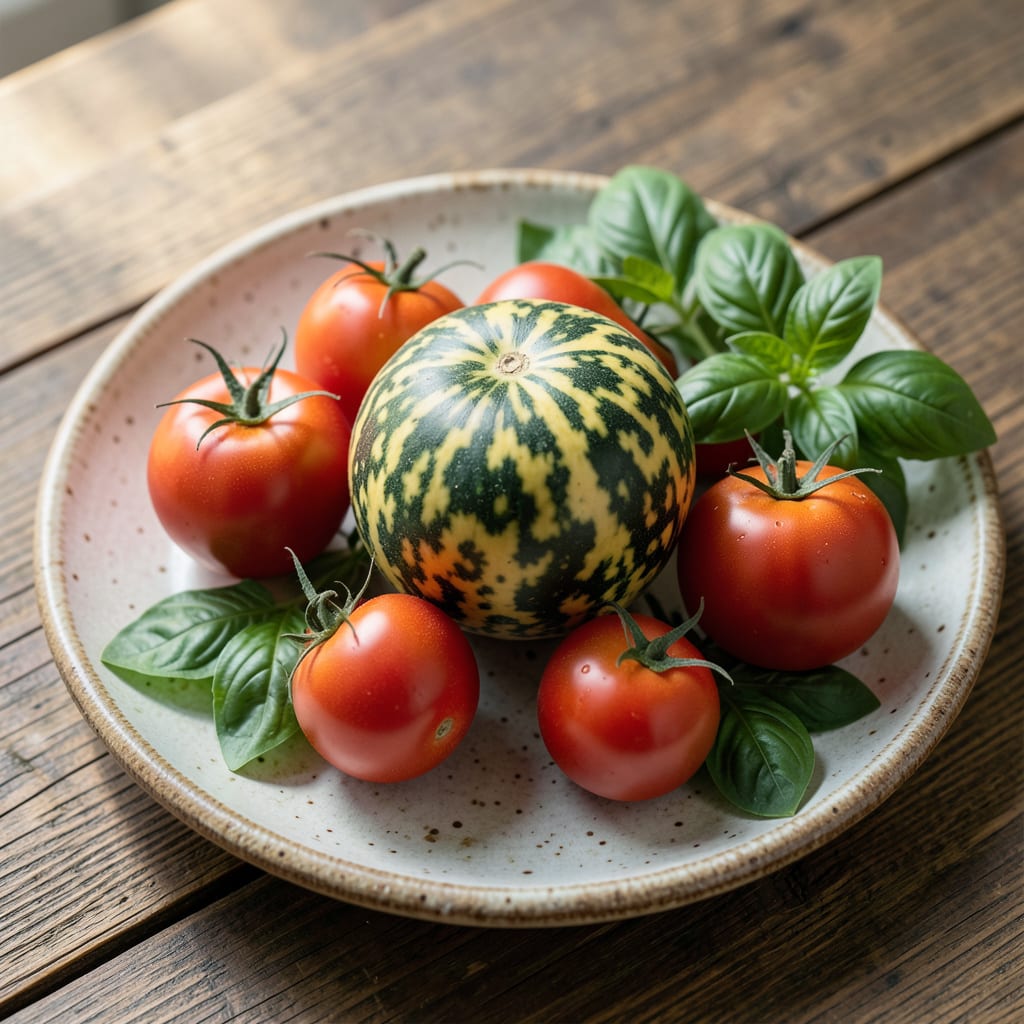
Spotted yellow patterns on your tomato leaves or mottled fruit? That’s likely tomato mosaic virus, and early action saves your crop. I’ve lost entire plants to this before learning the telltale signs.
There’s no cure, but removing infected plants and disinfecting tools stops the spread. Resistant varieties and strict hygiene prevent future outbreaks. Caught early, you can still salvage healthy fruit from uninfected areas.
📚 In This Guide
Here’s the method I use to spot and address this issue early, before it spreads through the garden.
Begin by examining the oldest leaves first, as symptoms typically appear there before moving upward. Look for mottled patterns—alternating light and dark green areas—that resemble a mosaic. These patches often feel slightly rough or leathery compared to healthy foliage.
Check the undersides of leaves for any yellowing or curling. I’ve found that affected plants sometimes develop a slight downward cupping of the leaves. Stems may show dark streaks or lesions, especially near the nodes where leaves attach.
Inspect developing fruit for unusual coloration or patterns. Affected tomatoes often display uneven ripening, with some areas turning yellow or orange while others remain green. The fruit may develop a tough, leathery texture in certain spots.
Watch for internal browning or discoloration when cutting open the fruit. This is different from blossom end rot, which affects the bottom of the fruit. The internal symptoms here are more widespread and irregular.
As soon as you confirm the presence of these symptoms, remove the infected plants entirely. I pull them up by the roots to prevent any remaining plant material from spreading the virus. Do not compost these plants—burn them or dispose of them in sealed bags.
Wash your hands and any tools used with soap and water after handling infected plants. The virus can persist on surfaces and spread to healthy plants through simple contact. I keep a separate pair of pruners just for this purpose.
Increase spacing between plants to improve air circulation, which helps reduce the spread of many plant diseases. I aim for at least 2-3 feet between tomato plants in my garden. This also makes it easier to inspect plants regularly.
Remove any weeds in the vicinity, as some common garden weeds can harbor the virus without showing symptoms. I’ve learned that aphids are a primary vector for this disease, so controlling these pests is crucial. Use reflective mulches or row covers to deter them.
Consider planting resistant varieties next season. While no tomato is completely immune, some hybrids have been bred to tolerate the virus better than heirloom varieties.
Early detection can save your entire crop, so here’s how to spot the warning signs before it’s too late.
Early Leaf Inspection: In Step 1, focus on the oldest leaves first as these show symptoms earliest. The mottled patterns resembling a mosaic are the most distinctive sign—these patches will feel rougher than healthy foliage. I always use a magnifying glass to catch the subtle color variations that might escape the naked eye.
Fruit Examination Technique: When implementing Step 2, cut open suspicious fruit immediately. The internal browning is a dead giveaway and differs from blossom end rot by being more widespread. I’ve found that affected tomatoes often have a mealy texture in the discolored areas, which isn’t present in healthy fruit.
Containment Protocol: For Step 3, have sealed bags ready before you start removing plants. I keep a roll of heavy-duty contractor bags in my shed specifically for this. The virus spreads so easily that even dragging an infected plant past healthy ones can transmit it through brief contact.
Prevention Strategy: The 2-3 feet spacing mentioned in Step 4 isn’t just for air circulation—it also gives you room to maneuver when inspecting plants. I mark my planting holes with flags at the start of season to maintain this distance as plants grow.
Yes, the virus can cause mottling, deformities, or reduced yield in tomatoes, but the fruit itself is usually safe to eat. However, infected plants often produce lower-quality or unmarketable fruit.
Look for yellow or white mottling on leaves, stunted growth, or curled foliage. Fruits may develop uneven ripening or dark streaks. Confirm with a lab test if unsure.
Use virus-free seeds, disinfect tools, and remove infected plants immediately. Crop rotation and resistant varieties (like ‘Mountain Merit’) also help.
No cure exists, so remove and destroy infected plants to prevent spread. Focus on prevention, as the virus persists in plant debris and soil.
While no organic treatment kills the virus, copper sprays or neem oil may help manage secondary infections. Prevention remains the most effective strategy.
