
Beautiful Plants For Your Interior
Beautiful Plants For Your Interior
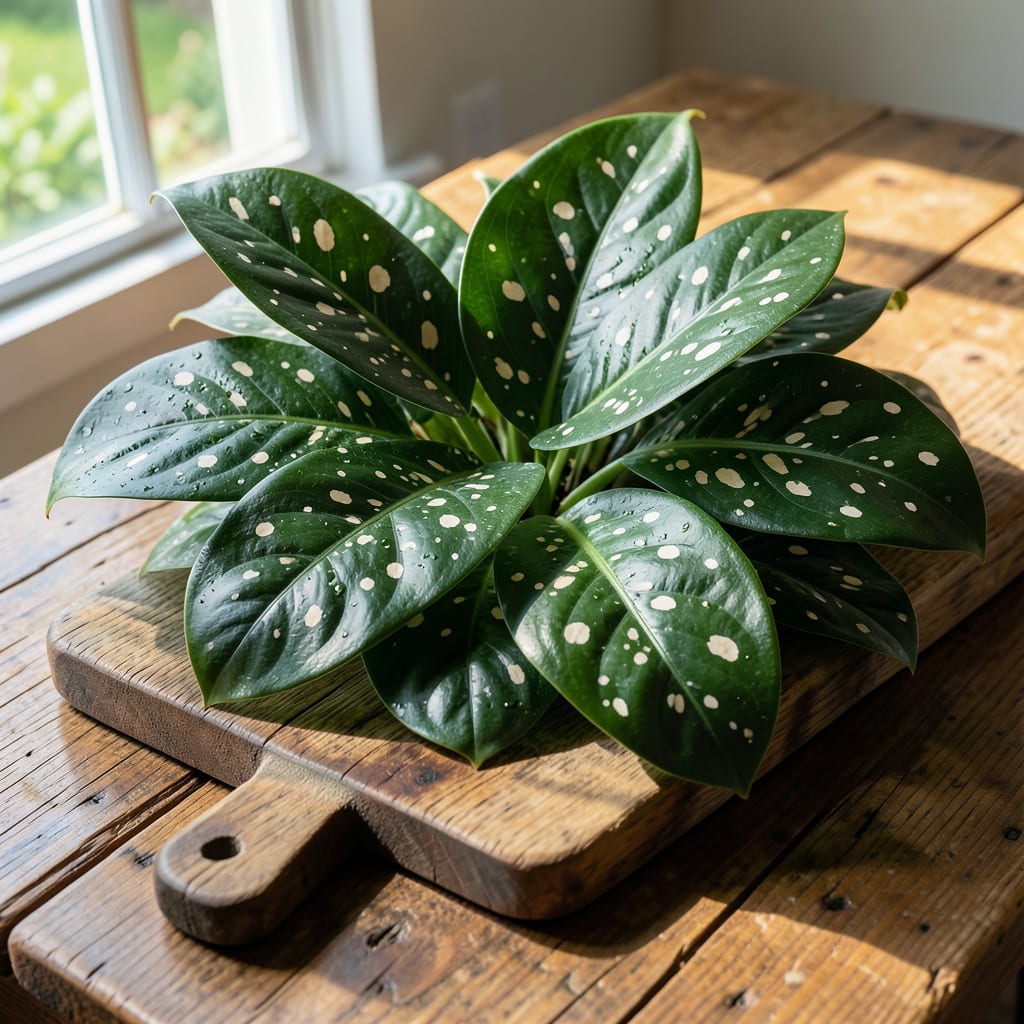
White spots on plant leaves aren’t always mildew—sometimes it’s something simpler. I’ve seen mineral buildup from hard water mimic disease symptoms, leaving gardeners treating the wrong problem.
Pest damage often looks like white speckling too, especially from spider mites or mealybugs. The key is checking the pattern: scattered dots suggest insects, while uniform deposits point to minerals.
Outdoor plants face extra challenges—splashing water, dust, or even fungal spores that aren’t mildew. Each cause has a different fix, so identifying the real issue saves time and frustration.
Here’s how to diagnose and solve the mystery without wasting energy on the wrong treatment. Your plants will thank you.
White spots on plant leaves that aren’t mildew often stem from environmental, biological, or chemical factors. Below are the most common causes, explained with actionable insights.
If you water plants with tap water high in calcium, magnesium, or other minerals, evaporation can leave behind chalky white residues on leaf surfaces. This is especially common in areas with hard water. The spots are typically dry, powdery, and easily wiped off with a damp cloth. To prevent this, use filtered or distilled water, or collect rainwater for irrigation.
Certain pests, like mealybugs, spider mites, or whiteflies, leave white, cottony, or speckled deposits as they feed. Mealybugs, for instance, excrete a waxy substance that resembles tiny white dots. Spider mites may cause stippling—tiny white or yellow flecks—due to their piercing mouthparts. Inspect the undersides of leaves and stems for clusters or webbing, and treat with insecticidal soap or neem oil.
Intense sunlight or sudden temperature spikes can cause localized cell damage, leading to white or bleached patches. This often occurs on leaves closest to light sources or after transplanting without acclimation. Unlike mineral spots, these are permanent and may feel leathery. Shield plants with shade cloth or gradually introduce them to brighter conditions.
Foliar sprays—even organic ones like bicarbonate solutions—can leave white film if not properly diluted or rinsed. Overuse of fungicides or pesticides may also cause buildup. Always follow label instructions and rinse leaves with water after treatment to avoid residue.
White spots on plant leaves that aren’t mildew often stem from specific causes. Here’s how to tackle each one effectively:
If tap water is the culprit, switch to distilled or rainwater for watering. For existing spots, gently wipe leaves with a damp cloth dipped in white vinegar (1:3 ratio with water) to dissolve deposits. Flush the soil with distilled water to remove excess minerals.
Prevention tip: Use a water filter or collect rainwater for long-term care.
Isolate the plant and spray leaves with insecticidal soap or neem oil (1 tbsp oil + 1 tsp dish soap per quart of water). Repeat every 3–5 days until pests vanish. For stubborn infestations, introduce beneficial insects like ladybugs.
Prevention tip: Inspect new plants before bringing them home and keep humidity levels balanced (40–60%) to deter mites.
Move the plant to bright, indirect light and avoid hot afternoon sun. If spots persist, trim damaged leaves to redirect energy. Acclimate plants gradually to new light conditions.
Prevention tip: Rotate plants weekly for even light exposure and use sheer curtains to diffuse harsh rays.
Rinse leaves thoroughly with lukewarm water to remove residue. Avoid overusing chemicals—opt for organic alternatives and always follow label instructions.
Prevention tip: Test sprays on a small area first and apply during cooler hours to reduce stress.
Regularly check leaves for early signs, and act fast to keep your plants thriving! 🌱
Check the undersides of leaves for tiny webbing or cottony clusters. Spider mites cause stippling, while mealybugs leave white, waxy deposits.
No, a 1:3 vinegar-water solution is safe for removing mineral deposits. Test on one leaf first and rinse after to avoid residue.
No, sunburn damage is localized and won’t spread. Move the plant to indirect light and trim affected leaves if needed.
Yes, especially in dry climates. Switch to distilled or rainwater to prevent future buildup.
