
Beautiful Plants For Your Interior
Beautiful Plants For Your Interior
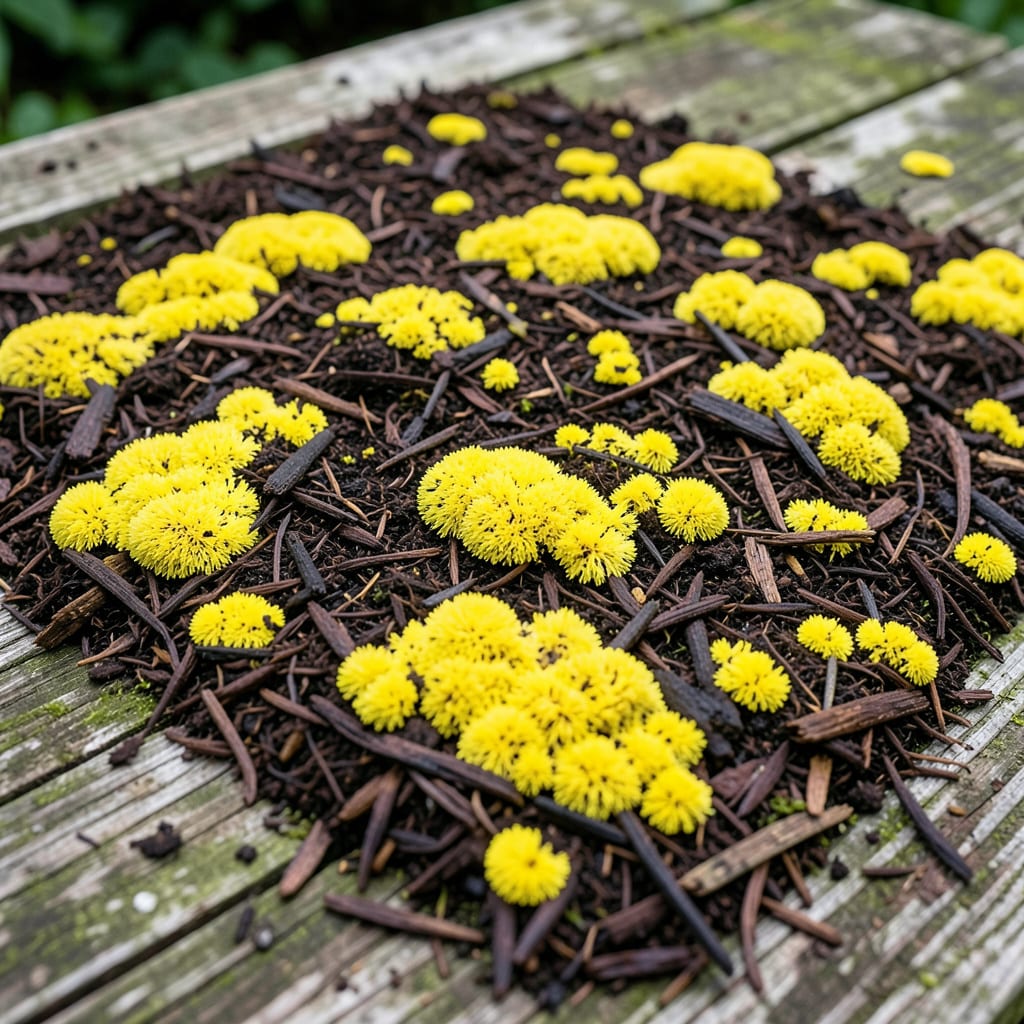
That yellow stuff on your mulch isn’t just ugly—it’s screaming for attention. I ignored it once and watched it spread across half my flower beds in a week. Not again.
Turns out, it’s a fungus that thrives in damp, undisturbed mulch. Too much moisture, not enough airflow, and boom—you’ve got a yellow carpet. The good news? It’s more annoying than dangerous to your plants.
You can fix this without chemicals. A simple rake, some sunlight, and maybe a bit of vinegar do the trick. I’ve tested these methods through three rainy seasons now.
Prevention’s even easier. Just a few habit changes keep it from coming back. Here’s what actually works.
Yellow mold on mulch is a common issue, often tied to environmental and material factors. Below are the primary causes, explained with actionable insights.
Mulch retains moisture, and when it stays damp for prolonged periods, it creates an ideal breeding ground for mold spores. Poor drainage or overwatering (either from rain or irrigation) prevents the mulch from drying out, accelerating fungal growth. Yellow mold thrives in these consistently wet conditions, especially in shaded areas where evaporation is slower.
Mulch is made from organic materials like wood chips or bark, which naturally decompose over time. As these materials break down, they release nutrients that feed Fusarium, Aspergillus, and other fungi responsible for yellow mold. Freshly applied mulch with high cellulose content is particularly susceptible, as it provides an abundant food source for spores.
Yellow mold proliferates in warm, humid climates, typically between 70–90°F (21–32°C). These conditions speed up spore germination and fungal spread. If your mulch is exposed to consistent warmth without adequate airflow, mold can develop rapidly, turning patches yellow or mustard-colored.
Thick layers of mulch or tightly packed beds restrict airflow, trapping moisture and heat. Stagnant air prevents the mulch from drying evenly, giving mold a chance to take hold. This is common in densely mulched garden beds or areas with little wind movement.
Sometimes, the mulch itself is already contaminated with fungal spores when purchased or applied. Low-quality or improperly stored mulch (e.g., kept in damp piles) may harbor dormant spores that activate once spread. Always source mulch from reputable suppliers and store it in dry, ventilated areas before use.
Yellow mold on mulch is unsightly but manageable. Here’s how to tackle it based on the cause:
If the mold stems from overwatering or poor drainage, let the mulch dry out completely. Rake the top layer to expose it to sunlight and air. For chronic dampness, consider adding a thin layer of coarse sand or gravel beneath the mulch to enhance drainage. Prevention tip: Water your plants deeply but less frequently, and avoid overhead watering that soaks the mulch.
When decaying leaves or wood chips are the culprit, remove the affected mulch and replace it with fresh, dry material. Bag and dispose of the moldy mulch to prevent spores from spreading. Pro tip: 💡 Use a mulch made from cedar or cypress, as these natural woods resist mold growth better than others.
Dense mulch layers trap moisture and block airflow. Use a garden fork or rake to fluff the mulch, breaking up compacted areas. Thin out thick layers to no more than 2–3 inches deep. Prevention tip: Space mulch a few inches away from plant stems and tree trunks to allow airflow at the base.
In humid climates, treat persistent mold with a natural fungicide. Mix 1 part white vinegar with 4 parts water and spray it lightly on the affected areas. For severe cases, use a commercial fungicide labeled for garden use. Pro tip: ✨ Apply treatments on a sunny, dry day for the best results.
Regular maintenance, like fluffing mulch and clearing debris, keeps yellow mold at bay and your garden looking fresh.
Not usually. This fungus mainly affects appearance, not plant health. However, if left unchecked, it can spread to nearby organic matter. Keep an eye on it and treat promptly.
No, that traps moisture and makes it worse. Remove the moldy layer first, then replace it with fresh, dry mulch. This prevents spores from spreading.
Rake the affected area to expose it to sunlight and air. For stubborn spots, spray with a 1:4 vinegar-water mix. Results appear within 24-48 hours.
It might if conditions stay damp. Improve drainage, thin mulch layers, and ensure good airflow. Prevention is easier than repeated treatments.
