
Beautiful Plants For Your Interior
Beautiful Plants For Your Interior
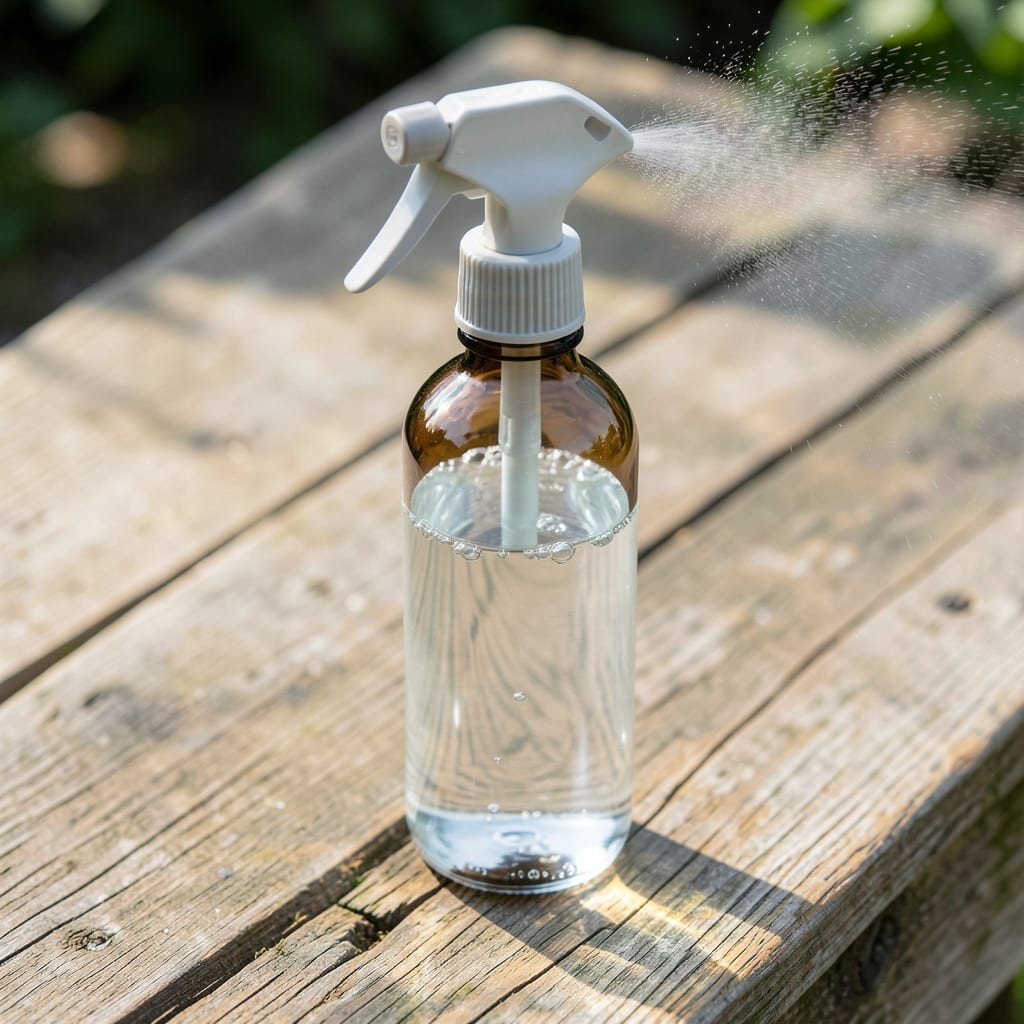
I discovered this foolproof pest solution after losing half my basil to aphids last summer. White vinegar isn’t just for cleaning—it’s a game-changer against soft-bodied insects that plague gardens.
You’ll mix it with water and a drop of soap, then spray directly on pests. Works on aphids, whiteflies, and even some beetles. The best part? It’s safe for plants when used correctly and costs pennies per batch.
📚 In This Guide
Follow my simple process and you’ll have an effective natural pest deterrent ready in minutes.
You’ll need white vinegar, water, a spray bottle, and optionally a few drops of dish soap. I always use a clean 16-ounce spray bottle to avoid any residue from previous uses. The vinegar should be standard 5% acidity white vinegar—nothing fancy.
If you’re adding dish soap, choose a mild, unscented variety. This helps the solution cling to plant surfaces better. Gather everything on a flat surface so you won’t spill while mixing.
Mix equal parts white vinegar and water in your spray bottle. For a standard 16-ounce bottle, this means 8 ounces of each. The 1:1 ratio gives you a strong enough solution to deter pests without harming most plants.
If you’re adding dish soap, include 1 teaspoon at this stage. Swirl the bottle gently to combine—don’t shake vigorously, as this can create too many suds. The solution should look uniformly cloudy.
Before spraying your entire garden, test the solution on a small, hidden section of your plants. Spray a few leaves and wait 24 hours. You’re watching for any signs of leaf burn or discoloration.
Most plants tolerate this spray well, but some delicate varieties might react. If you see any negative effects, dilute the solution further with water. This test gives you confidence before full application.
Spray the solution directly onto pest-infested areas, focusing on the undersides of leaves where many insects hide. Apply in the early morning or late evening when temperatures are cooler and there’s less direct sun.
Use a sweeping motion to cover all surfaces evenly. You should see the leaves glisten slightly when properly coated. Reapply every 3-4 days or after rain, as the solution loses effectiveness when washed away.
For best results, target the pests when they’re most active—usually in the morning. You’ll notice fewer insects within 24-48 hours of the first application.
Keep your spray bottle in a cool, dark place between uses. The solution remains effective for 1-2 weeks, after which you should make a fresh batch. Label the bottle clearly so no one mistakes it for something else.
Between applications, give the bottle a quick swirl to remix any settled components. If you notice the spray isn’t working as well, it’s probably time for a fresh mix. I find it helpful to make a new batch at the start of each week during pest season.
These practical pointers will help you maximize effectiveness while avoiding common issues.
The 1:1 Ratio: Stick to exactly 8 ounces each of white vinegar and water in your 16-ounce bottle as specified in Step 2. This balance is strong enough to deter pests without risking plant damage. I’ve found that deviating from this ratio often leads to either weak results or leaf burn.
Test First: Step 3’s 24-hour test isn’t optional—it’s your safety net. Delicate plants like ferns or some flowers may react poorly, and this gives you time to catch issues before treating your entire garden. If you see any browning, dilute with more water immediately.
Application Timing: In Step 4, spraying in the early morning or late evening isn’t just a suggestion. The cooler temperatures and lack of direct sun help prevent the solution from evaporating too quickly or burning leaves, especially during hot weather. You’ll also catch pests when they’re most active.
Storage Longevity: As noted in Step 5, the solution stays effective for 1-2 weeks, but I’ve noticed it works best within the first week. After that, the vinegar’s potency diminishes. Always label your bottle clearly to avoid mix-ups with other sprays.
Yes, but dilute it properly (1 part vinegar to 3 parts water) to avoid harming plants. Test on a small area first. Vinegar’s acidity can damage sensitive foliage if overused.
Reapply every 3–5 days or after rain, as vinegar loses potency quickly. For severe infestations, use daily until pests are under control.
Absolutely! Add a few drops of dish soap (to break down bug defenses) or essential oils like peppermint for extra repellent power. Avoid harsh chemicals.
Vinegar repels but doesn’t always kill. Ensure direct contact with pests, use fresh spray, and combine with other natural methods (like neem oil) for better effectiveness.
