
Beautiful Plants For Your Interior
Beautiful Plants For Your Interior
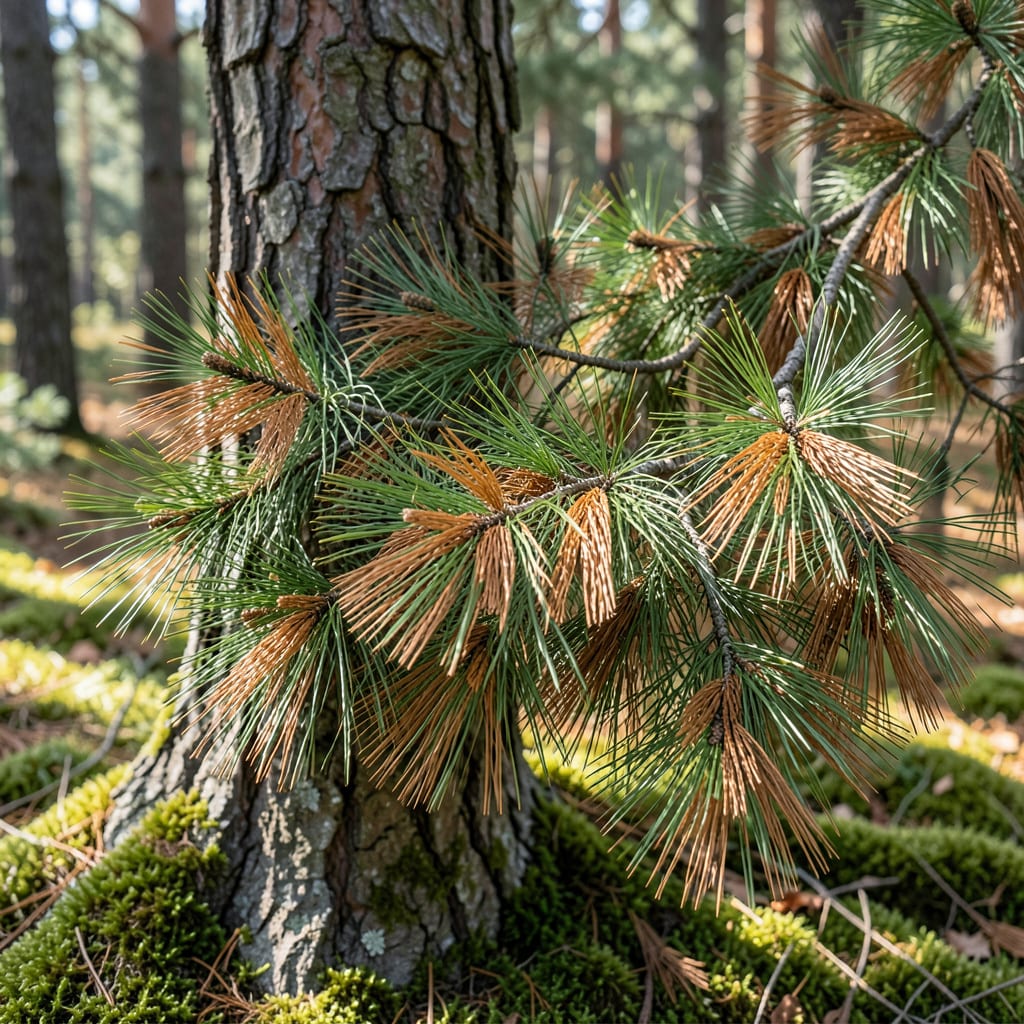
Nothing stings like seeing your white pines turn from vibrant green to dull brown. I’ve stood in my own yard, staring at discolored needles, wondering what went wrong.
Turns out, the culprits are often simpler than you’d think—drought stress, salt spray, or even a sneaky fungal infection. The key is knowing which one you’re dealing with before jumping to solutions.
Once you pinpoint the cause, the fix can be surprisingly straightforward. Proper watering, soil testing, or a targeted treatment can bring your trees back to their former glory.
Works for young saplings and mature trees alike. Here’s how to diagnose and treat it.
White pine needles turning brown can signal several underlying issues. Below are the most common causes, each with clear explanations to help you diagnose the problem.
Extreme weather conditions, such as drought, heatwaves, or winter burn, can cause needles to brown. Pines require consistent moisture, and prolonged dry spells disrupt their ability to absorb water. In winter, desiccation occurs when frozen roots can’t replenish moisture lost through needle surfaces, leading to browning—especially on the tree’s windward side.
Pathogens like Dothistroma needle blight or Lophodermium target white pines, creating distinct brown or reddish bands on needles. These fungi thrive in wet, humid conditions and spread via spores. Infected needles often develop yellow or tan lesions before turning fully brown and dropping prematurely.
Insects such as pine bark beetles, sawfly larvae, or spider mites damage needles by feeding on their tissues or disrupting sap flow. Sawfly larvae, for instance, chew needles from the tip down, leaving a stubby, brown appearance. Heavy infestations can defoliate sections of the tree rapidly.
A lack of essential nutrients—particularly magnesium, iron, or nitrogen—can manifest as needle discoloration. Magnesium deficiency often causes yellowing between needle veins, progressing to brown as the issue worsens. Poor soil pH (too alkaline or acidic) may also lock out nutrients, exacerbating the problem.
Mechanical injuries from lawnmowers, trimmers, or construction equipment can sever roots or bark, cutting off water and nutrient transport. Additionally, herbicide drift or improper pruning can stress the tree, leading to localized browning. Inspect the base and surrounding area for signs of physical harm.
Once you’ve identified the cause, these practical solutions can help restore your white pine’s health and prevent further browning.
If dry soil is the culprit, give your pine a slow, deep watering at the base (not the needles) to encourage root growth. Water early in the morning to reduce evaporation. Aim for 1–2 inches per week, including rainfall. Prevention tip: 💡 Mulch around the base with 2–3 inches of organic material to retain moisture, but keep it 3 inches away from the trunk to avoid rot.
For needle blight or rust, remove and destroy infected branches (sterilize pruners with rubbing alcohol between cuts). Apply a copper-based fungicide in early spring or fall, following label instructions. Prevention tip: ✨ Improve air circulation by thinning crowded branches and avoiding overhead watering.
For pine bark beetles or sawflies, prune and burn heavily infested branches. Introduce beneficial nematodes or use horticultural oil for soft-bodied pests like aphids. Prevention tip: 🎯 Inspect trees regularly for early signs (e.g., sawdust-like frass or webbing) and maintain tree vigor with proper fertilization.
If winter burn or salt spray is the issue, rinse needles with fresh water to remove salt residue. Shield trees with burlap wraps in winter. Prevention tip: 🌡️ Plant pines in sheltered locations away from roads or use anti-desiccant sprays before cold snaps.
Yellowing needles may signal a lack of magnesium or iron. Conduct a soil test and amend with chelated iron or Epsom salts (for magnesium) as needed. Prevention tip: 🔥 Fertilize in early spring with a balanced, slow-release formula designed for evergreens.
No, browning can result from environmental stress like drought or winter burn. Check soil moisture and recent weather before assuming it’s a disease.
Look for sawdust-like frass, webbing, or visible insects on needles and bark. Sawfly larvae often leave stubby, chewed needle tips.
Yes, but only if the cause is fungal or pest-related. Remove infected branches with sterilized tools and dispose of them properly.
Yes, soggy soil can suffocate roots and lead to discoloration. Ensure good drainage and avoid waterlogged conditions.
