
Beautiful Plants For Your Interior
Beautiful Plants For Your Interior
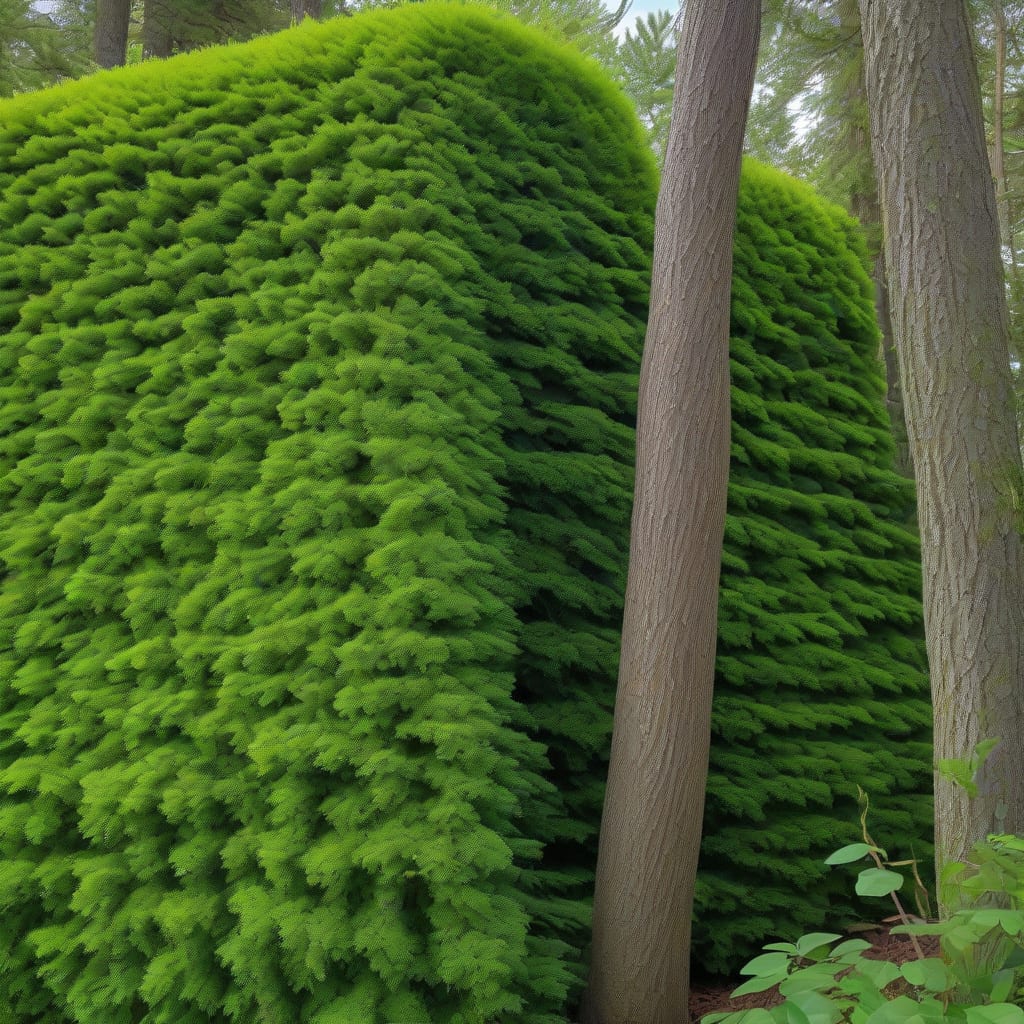
When I first planted my Arborvitae 🌳, I wondered how tall it would grow. The answer depends on several factors, including the variety and growing conditions. Understanding these elements is crucial for proper placement in your landscape.
In USDA Zone 6, Arborvitae can grow anywhere from 10 to 60 feet tall. Factors like soil quality, sunlight, and pruning practices all play a role in determining the ultimate height of these versatile trees.

When I consider planting Arborvitae 🌳, understanding the factors that influence their height is crucial for proper landscape planning. The ultimate height of these trees depends on several key elements.
The variety of Arborvitae is a primary factor in determining its mature height. Different cultivars have vastly different growth potentials, ranging from compact varieties that remain under 6 feet tall to giant types that can reach 60 feet or more.
The quality of the soil plays a significant role in Arborvitae growth. These trees prefer well-draining soil with adequate nutrients. Poor soil conditions can limit their growth potential and affect their overall health.
Sunlight is another critical factor in determining Arborvitae height. While they can tolerate some shade, full sun typically promotes healthier and more vigorous growth. Trees grown in shadier conditions may grow more slowly or become sparse.
Regular pruning practices can significantly influence the mature height of Arborvitae. Pruning not only controls the height but also maintains the tree’s shape and density. Proper pruning techniques can help achieve the desired landscape effect.
Proper spacing during planting is essential for healthy growth. Overcrowding can lead to competition for resources, potentially stunting the growth of individual trees. Planting Arborvitae with adequate space allows them to reach their full height potential.
Understanding these factors helps in making informed decisions when planting and maintaining Arborvitae trees. By considering the variety, soil quality, sunlight, pruning, and spacing, you can better manage their growth and achieve your landscaping goals 🌳.
Different Arborvitae varieties have unique growth characteristics that affect their mature height. Some remain compact, while others grow into tall trees.
The specific growing conditions, including soil and sunlight, also play a crucial role in determining the ultimate height of Arborvitae trees.
Regular maintenance, particularly pruning, is essential for controlling the height and maintaining the desired shape of Arborvitae.
By understanding and managing these factors, you can effectively control the height of your Arborvitae trees and achieve your desired landscape design.
When I consider planting Arborvitae, understanding the different varieties and their maximum heights is crucial for landscaping decisions. The mature height of Arborvitae trees can vary significantly between cultivars.
Some popular varieties have distinct growth characteristics that affect their ultimate height. For instance, Nigra and Smarthvitae are known for their compact growth, while Green Giant can grow much taller.
The Emerald Green variety typically reaches 10-15 feet in height, making it suitable for hedges or borders. Its slow growth rate means it requires less frequent pruning.
In contrast, the Green Giant variety can grow much taller, reaching heights of 30-60 feet. This fast-growing cultivar is ideal for creating privacy screens or windbreaks.
The Nigra variety remains relatively compact, growing to 6-10 feet tall. Its slow growth rate and dense foliage make it perfect for smaller landscapes or container gardening 🌳.
Understanding these differences helps in selecting the right Arborvitae variety for specific landscaping needs. Whether you need a tall screen or a compact hedge, there’s an Arborvitae cultivar to suit your requirements.
By choosing the appropriate variety, you can better manage the mature height of your Arborvitae trees and achieve your desired landscape design.
Different Arborvitae varieties offer flexibility in landscaping design, from compact hedges to tall privacy screens.
The mature height of Arborvitae trees varies significantly between different cultivars, making variety selection critical for landscaping success 🌟.
When it comes to managing the height of Arborvitae trees 🌳, pruning is an essential technique. Regular pruning not only controls the height but also maintains the tree’s shape and density.
The first step in pruning Arborvitae is to remove dead or damaged branches. This helps maintain the tree’s health and appearance. Use sharp, clean pruning tools to make precise cuts.
Evaluate the Arborvitae’s shape and height to determine the pruning needs.
Carefully trim the top to maintain the desired height, cutting back to a lateral bud.
Trim the sides to maintain the desired shape, ensuring even growth.
Regular maintenance pruning is key to controlling Arborvitae height. Prune in early spring or late fall to minimize stress on the tree.
By following these pruning techniques, you can effectively manage the height of your Arborvitae trees and maintain their desired shape 🌟.
Proper care and pruning not only control height but also promote healthy growth and density in Arborvitae trees.
Understanding and implementing these pruning strategies will help you achieve your desired landscape design with Arborvitae 🌳.
