
Beautiful Plants For Your Interior
Beautiful Plants For Your Interior
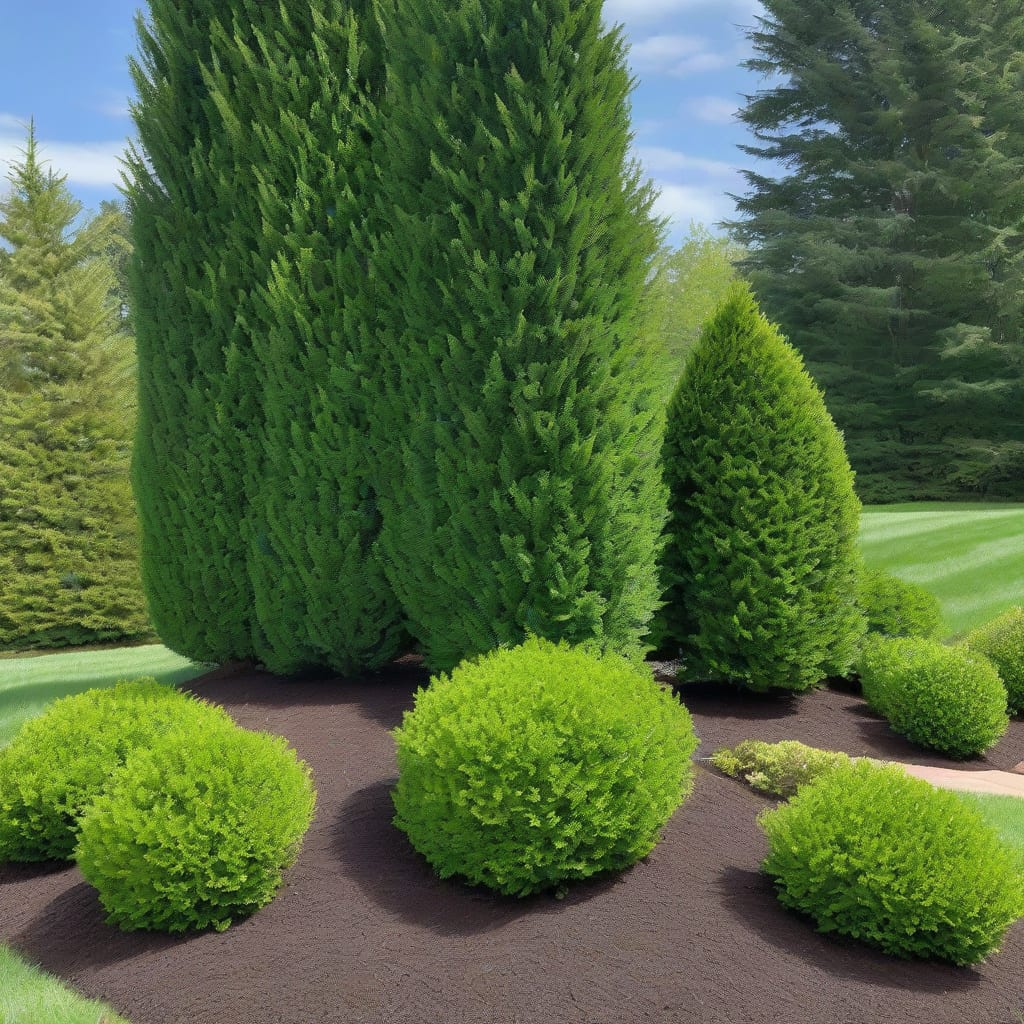
When planting Arborvitae 🌳 in your landscape, understanding their growth potential is crucial for proper planning. These versatile trees can serve as both elegant standalone specimens and effective privacy hedges.
The height to which Arborvitae can grow varies significantly based on variety and growing conditions in your USDA Zone 6a garden. Let’s explore the factors that influence their maximum height and how to manage their growth effectively.


Arborvitae trees are known for their impressive growth potential, but understanding the factors that influence their maximum height is crucial for effective landscaping planning. The height to which Arborvitae can grow varies significantly based on several key factors.
The primary factors that determine how tall Arborvitae can grow include the specific variety of the tree, the growing conditions in your garden, and the maintenance practices you implement. Let’s explore these factors in more detail to understand their impact on Arborvitae growth.
The variety of Arborvitae is perhaps the most significant factor influencing its maximum height. Different cultivars have been developed to suit various landscaping needs, ranging from compact dwarf varieties to tall standard trees 🌳.
Growing conditions also play a crucial role in determining how tall Arborvitae can grow. Factors such as soil quality, sunlight exposure, and watering practices all contribute to the overall health and growth rate of the tree. Optimal conditions can lead to more vigorous growth and potentially greater maximum heights.
Maintenance practices, particularly pruning, are essential for managing Arborvitae height. Regular pruning can help control the tree’s size, maintain its shape, and promote denser foliage. The frequency and technique of pruning can significantly impact the tree’s overall growth pattern.
By understanding these factors and how they interact, landscapers and gardeners can make informed decisions about planting and maintaining Arborvitae trees, ensuring they achieve the desired height and aesthetic appeal in the landscape 🌟.
When selecting Arborvitae for your landscaping project, it’s essential to consider the mature size of the variety you’re choosing. Some Arborvitae cultivars are naturally more compact, while others can grow quite tall if not pruned regularly.
The soil conditions in your garden also play a critical role in Arborvitae growth. Well-draining soil that is rich in organic matter can support healthy root development, which in turn promotes overall tree growth.
Sunlight exposure is another crucial factor. Arborvitae generally prefer full sun to partial shade. Trees receiving adequate sunlight tend to grow more vigorously than those in deeply shaded areas.
By carefully considering these factors and implementing appropriate maintenance practices, you can effectively manage the height of your Arborvitae trees and achieve your landscaping goals 🌿.
When planning your landscape with Arborvitae, understanding how to manage their height is crucial for achieving your desired aesthetic and maintaining healthy growth 🌳.
Effective height management involves a combination of proper pruning techniques, thoughtful spacing during planting, and selecting the right Arborvitae variety for your specific needs.
Prune your Arborvitae in early spring or late winter to maintain shape and control height effectively.
Pruning is a critical maintenance practice for managing Arborvitae height. Regular pruning not only controls the tree’s size but also promotes denser foliage and maintains the desired shape.
The frequency of pruning depends on the growth rate of your Arborvitae and your desired level of maintenance. For most landscapes, annual or bi-annual pruning is sufficient to keep Arborvitae at the desired height 🌿.
Spacing is another important consideration when planting Arborvitae. Proper spacing ensures that the trees have enough room to grow to their mature width without becoming too dense or competing for resources.
When selecting an Arborvitae variety, it’s essential to consider the mature height of the tree. Some varieties are naturally more compact and require less pruning, while others can grow quite tall if not regularly maintained.
By combining these strategies—pruning, appropriate spacing, and variety selection—you can effectively manage the height of your Arborvitae trees and achieve your landscaping goals 🌟.
Regular maintenance also includes monitoring for any signs of disease or pest infestations, which can impact the health and growth of your Arborvitae.
With proper care and management, Arborvitae can be a beautiful and functional addition to your landscape, providing privacy, structure, and year-round interest 🌳.
When selecting Arborvitae for your landscaping project, understanding the typical height ranges of different varieties is essential for making informed decisions 🌳.
Arborvitae varieties come in a range of sizes, from compact dwarf forms to tall standard trees, each with its unique growth characteristics and mature heights.
The Emerald Green variety typically grows to be 3-6 meters tall, making it a popular choice for hedges and privacy screens 🌿.
Nigra Arborvitae, on the other hand, can reach heights of 3-10 meters, offering a darker foliage option for landscaping projects 🌳.
For smaller landscapes, the Hetz Midget variety is an excellent choice, growing to be only 0.5-1.5 meters tall 🌻.
By understanding the typical height ranges of different Arborvitae varieties, you can make more informed decisions for your landscaping needs 🌟.
Whether you’re looking for a compact shrub or a tall tree, there’s an Arborvitae variety to suit your requirements 🌿.
