
Beautiful Plants For Your Interior
Beautiful Plants For Your Interior
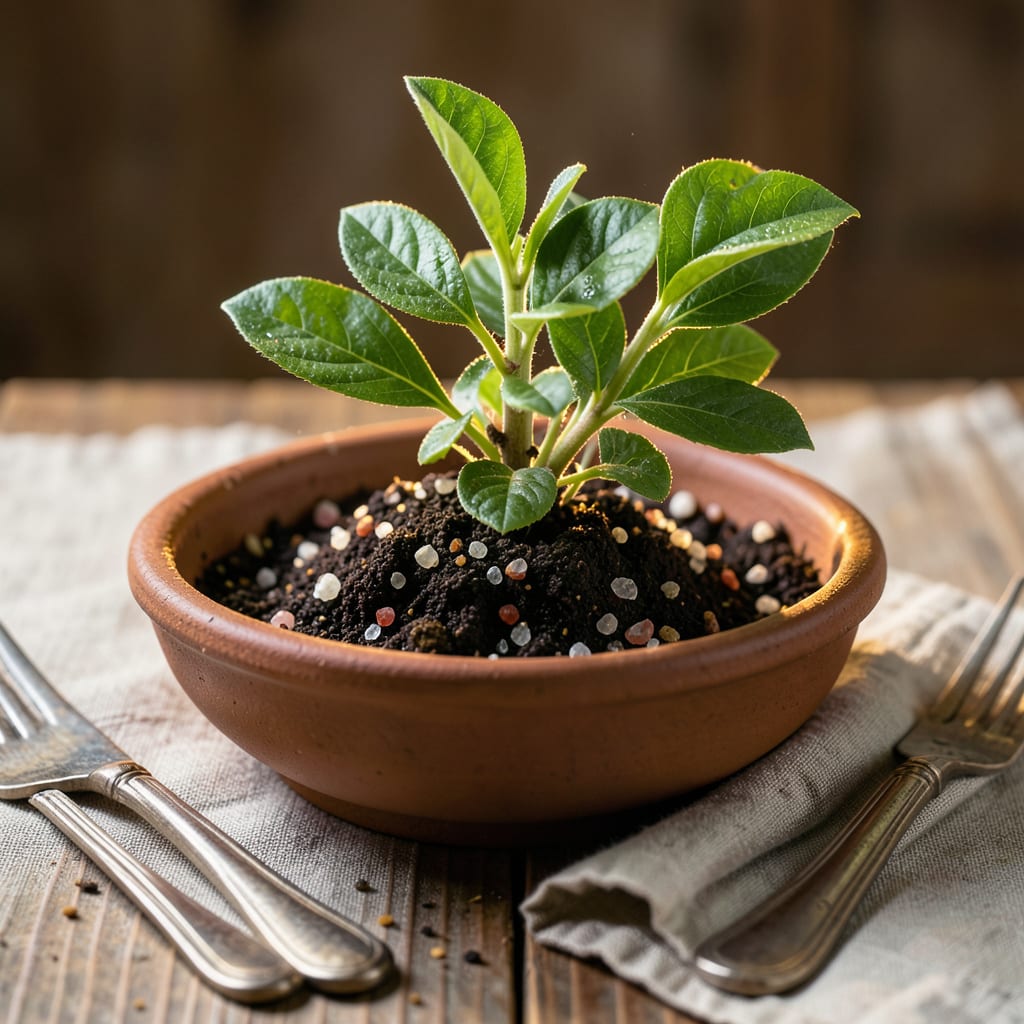
Fertilizing your 🌳 Tree at the right time can make all the difference in its health and growth. In USDA Zone 6, timing is everything – fertilizing during the wrong season can be counterproductive.
I’ll guide you through the best times to fertilize your Tree, considering factors like soil conditions and tree type. Let’s explore how to give your Tree the nutrients it needs to thrive.

Fertilizing trees is a critical aspect of their care, and timing plays a significant role in their health and growth. In USDA Zone 6, the ideal time to fertilize trees varies depending on the season and the tree’s specific needs 🌳.
I recommend understanding the seasonal guide to fertilizing trees to ensure you’re providing them with the necessary nutrients at the right time. This will help promote healthy growth and maximize the benefits of fertilization.
The fertilization schedule for trees in USDA Zone 6 typically involves feeding them during the growing seasons, which are spring and fall. During these periods, trees benefit from a balanced fertilizer that provides essential nutrients for growth and development.
In the spring, fertilizing trees helps them recover from the winter and supports new growth. It’s essential to use a fertilizer that is rich in nitrogen, phosphorus, and potassium to promote the tree’s overall health.
During the summer, it’s crucial to continue providing trees with the necessary nutrients. However, the type and amount of fertilizer may vary depending on the tree’s specific needs and the soil conditions.
In the fall, fertilizing trees helps them prepare for the winter by building up their root systems and storing energy for the next growing season. This is a critical period for tree care, as it sets the stage for the tree’s health and productivity in the following year.
By understanding the best times to fertilize trees and following a seasonal guide, you can ensure that your trees receive the necessary nutrients to thrive. This will help promote healthy growth, maximize the benefits of fertilization, and support the overall well-being of your trees 🌳.
Fertilizing trees at the right time is crucial for their health and growth. By
Remember, the key to successful tree fertilization is to understand the seasonal needs of your trees and to fertilize accordingly. This will help ensure that your trees receive the necessary nutrients to promote healthy growth and development 🌳.
Before fertilizing your trees, it’s essential to consider several critical factors that determine their fertilization needs. Understanding these factors will help you make informed decisions and ensure that your trees receive the necessary nutrients to thrive 🌳.
I recommend evaluating the soil conditions, tree type, age, and health status of your trees to determine the best fertilization approach. This will help you avoid common mistakes and ensure that your trees receive the right nutrients at the right time.
Be aware of potential risks when fertilizing trees, such as over-fertilization or using the wrong type of fertilizer. Always test your soil before applying fertilizer to determine its nutrient content and pH level.
The soil conditions play a significant role in determining the fertilization needs of your trees. It’s crucial to test your soil to determine its pH level and nutrient content. This will help you choose the right type and amount of fertilizer for your trees.
The tree type is another critical factor to consider when fertilizing trees. Different tree species have varying nutrient requirements, and understanding these needs is essential for effective fertilization. For example, some trees may require more nitrogen or phosphorus than others.
The age and health status of your trees also impact their fertilization needs. Younger trees or those that are struggling with disease or pests may require more frequent or specialized fertilization. It’s essential to monitor your trees’ health and adjust your fertilization strategy accordingly 🌳.
By considering these critical factors, you can develop a fertilization plan that meets the unique needs of your trees. This will help promote healthy growth, prevent common mistakes, and ensure that your trees thrive for years to come.
Fertilizing trees properly is crucial for their maximum growth and health. I’ll guide you through the steps to ensure you’re providing your trees with the necessary nutrients to thrive 🌳.
To fertilize trees effectively, you need to understand the application methods, fertilizer types, and common mistakes to avoid. Let’s dive into the details.
Select a balanced fertilizer that matches your tree’s nutrient needs. Consider the NPK ratio and the tree’s specific requirements.
Apply the fertilizer evenly around the tree’s drip line. Avoid over-fertilizing, as this can cause more harm than good.
Keep an eye on your tree’s response to fertilization and adjust your strategy as needed. This may involve changing the fertilizer type or application frequency.
By following these steps and understanding the best practices for fertilizing trees, you can promote healthy growth and ensure your trees thrive for years to come 🌳.
Proper fertilization is key to maintaining your trees‘ health and promoting maximum growth. By choosing the right fertilizer and applying it correctly, you can make a significant difference in your trees’ well-being.
Fertilization frequency depends on tree type and age. Typically, trees need fertilizing every 4-6 weeks during the growing season. Younger trees may require more frequent fertilization. Always check your tree’s specific needs.
A balanced fertilizer with an NPK ratio of 10-10-10 is generally recommended. However, the specific needs of your tree may vary depending on soil conditions and tree type. Consider getting a soil test to determine the best fertilizer for your trees.
No, it’s generally recommended to avoid fertilizing trees during the winter when they’re dormant. Fertilizing during this time can cause new growth that may not have time to harden off before cold weather sets in.
Apply fertilizer evenly around the tree’s drip line. Avoid over-fertilizing, as this can cause more harm than good. Follow the instructions on the fertilizer package for specific application rates.
