
Beautiful Plants For Your Interior
Beautiful Plants For Your Interior
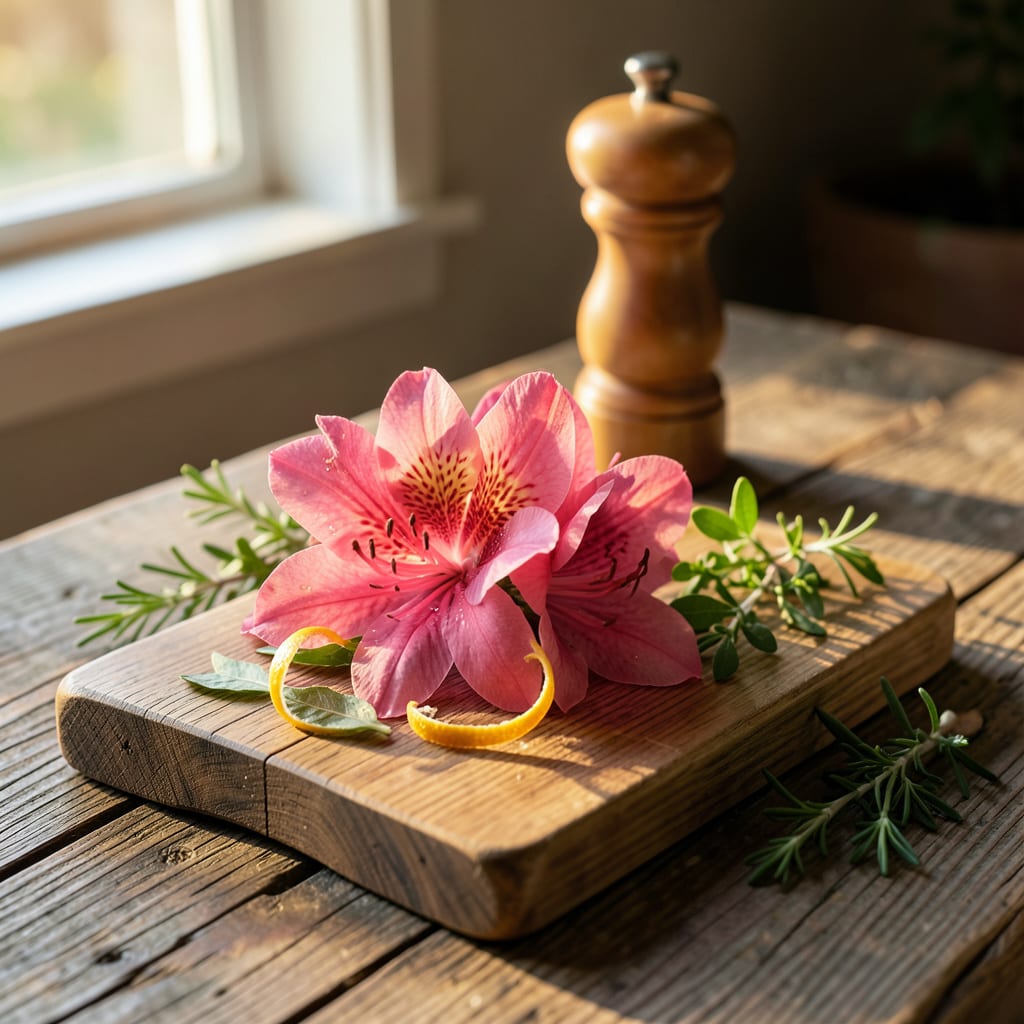
Fertilizing your Azalea 🌺 at the right time is crucial for vibrant blooms and overall health. In USDA Zone 6, you’ll want to pay attention to the plant’s growth cycle to maximize your efforts.
I recommend fertilizing your Azalea after it finishes blooming in spring, and again with a light feeding in summer. This schedule will help promote healthy growth and stunning flowers.

Understanding when to fertilize your azaleas is crucial for their health and vibrant blooms. In USDA Zone 6, the ideal fertilization timing depends on the plant’s growth cycle and type. Generally, azaleas benefit from fertilization after they finish blooming.
I recommend checking the specific needs of your azalea variety, as some may require additional feeding during the growing season. The key is to provide nutrients when the plant is actively growing and producing new foliage 🌺.
The fertilization frequency for azaleas typically involves feeding after blooming and a light feeding in summer. For USDA Zone 6, this translates to fertilizing in March after blooming and again in July or August for continued health.
When choosing a fertilizer, look for acidic or balanced formulations like 10-10-10 or 5-10-10 NPK. The application rate should be about 1 cup per 10 square feet of soil surface. It’s best to fertilize in the early morning when the plant can absorb the nutrients throughout the day.
Different types of azaleas may have specific fertilization needs. For example, evergreen azaleas typically require more frequent feeding than deciduous varieties. Understanding your azalea type will help you tailor your fertilization schedule for maximum bloom and health 🌿.
I always recommend checking the soil pH before fertilizing, as azaleas prefer acidic soil conditions. If your soil is too alkaline, consider using an acidifying fertilizer to create a more favorable environment for your azaleas.
For optimal results, combine fertilization with proper watering practices. Azaleas prefer consistent moisture, especially during the growing season. Water them weekly during spring and fall, and twice a week during summer.
By following these guidelines and understanding your azalea’s specific needs, you can enjoy vibrant blooms and healthy growth throughout the growing season. Regular monitoring of your plant’s response to fertilization will help you adjust your care routine as needed 🔥.
Remember that over-fertilization can be harmful to azaleas, causing damage to their roots and reducing bloom production. Always follow the recommended application rates and consider having your soil tested to determine its nutrient content.
With the right fertilization timing and care, your azaleas will thrive and become a beautiful addition to your garden landscape, providing stunning blooms year after year 🌼.
Fertilizing azaleas effectively requires understanding the right fertilizer types and application methods. For optimal results, I recommend using either acidic or balanced fertilizers with NPK ratios like 10-10-10 or 5-10-10.
The key to successful fertilization is applying it at the right time and in the correct amount. For azaleas, this means fertilizing after they finish blooming in spring and possibly with a light feeding in summer 🌺.
For best results, test your soil pH before fertilizing. Azaleas thrive in acidic soil conditions, so consider using an acidifying fertilizer if your soil is too alkaline.
When applying fertilizer, it’s crucial to follow the recommended application rates. For azaleas, this typically means using about 1 cup of fertilizer per 10 square feet of soil surface. The best time to fertilize is in the early morning, allowing the plant to absorb nutrients throughout the day.
Different types of azaleas may have specific fertilization needs. For example, evergreen azaleas generally require more frequent feeding than deciduous varieties. Understanding your azalea type will help you tailor your fertilization schedule for maximum bloom and health 🌿.
To maximize the effectiveness of fertilization, combine it with proper watering practices. Azaleas prefer consistent moisture, especially during the growing season. Water them weekly during spring and fall, and twice a week during summer.
Regular monitoring of your azalea’s response to fertilization will help you adjust your care routine as needed. Watch for signs of nutrient deficiency or over-fertilization, and adjust accordingly 🔥.
By following these guidelines and understanding your azalea’s specific needs, you can enjoy vibrant blooms and healthy growth throughout the growing season. Proper fertilization is key to making your azaleas a beautiful addition to your garden landscape 🌼.
Fertilizing azaleas can be tricky, and there are several common mistakes to watch out for. One of the most significant errors is fertilizing at the wrong time. Azaleas typically need fertilization after they finish blooming in spring, and possibly a light feeding in summer 🌺.
Another mistake is using the wrong type of fertilizer. Azaleas prefer acidic or balanced fertilizers, so it’s essential to choose a product that meets these requirements. I recommend checking the soil pH before fertilizing to ensure it’s within the optimal range for azaleas 🔍.
Be cautious of over-fertilization, as it can damage azalea roots and reduce bloom production. Always follow the recommended application rates and consider having your soil tested to determine its nutrient content.
Over-fertilization is a common mistake that can have severe consequences for azaleas. To avoid this,
In addition to avoiding over-fertilization, it’s also crucial to monitor your azalea’s response to fertilization. Watch for signs of nutrient deficiency or over-fertilization, and adjust your care routine accordingly 🔥.
By being aware of these common mistakes and taking steps to avoid them, you can help ensure your azaleas receive the nutrients they need to thrive. Proper fertilization is just one aspect of azalea care, but it’s a critical one for achieving vibrant blooms and healthy growth 🌼.
Azaleas typically need fertilization twice a year: once after they finish blooming in spring and again with a light feeding in summer. This schedule helps promote healthy growth and vibrant flowers.
Azaleas prefer acidic or balanced fertilizers with NPK ratios like 10-10-10 or 5-10-10. Using an acidifying fertilizer can help maintain the optimal soil pH for these plants.
No, it’s generally recommended to avoid fertilizing azaleas in the fall as it can promote new growth that may not harden off before winter. Instead, focus on fertilizing after blooming in spring and with a light feeding in summer.
For azaleas, use about 1 cup of fertilizer per 10 square feet of soil surface. Always follow the recommended application rates to avoid over-fertilization, which can damage the plants.
