
Beautiful Plants For Your Interior
Beautiful Plants For Your Interior
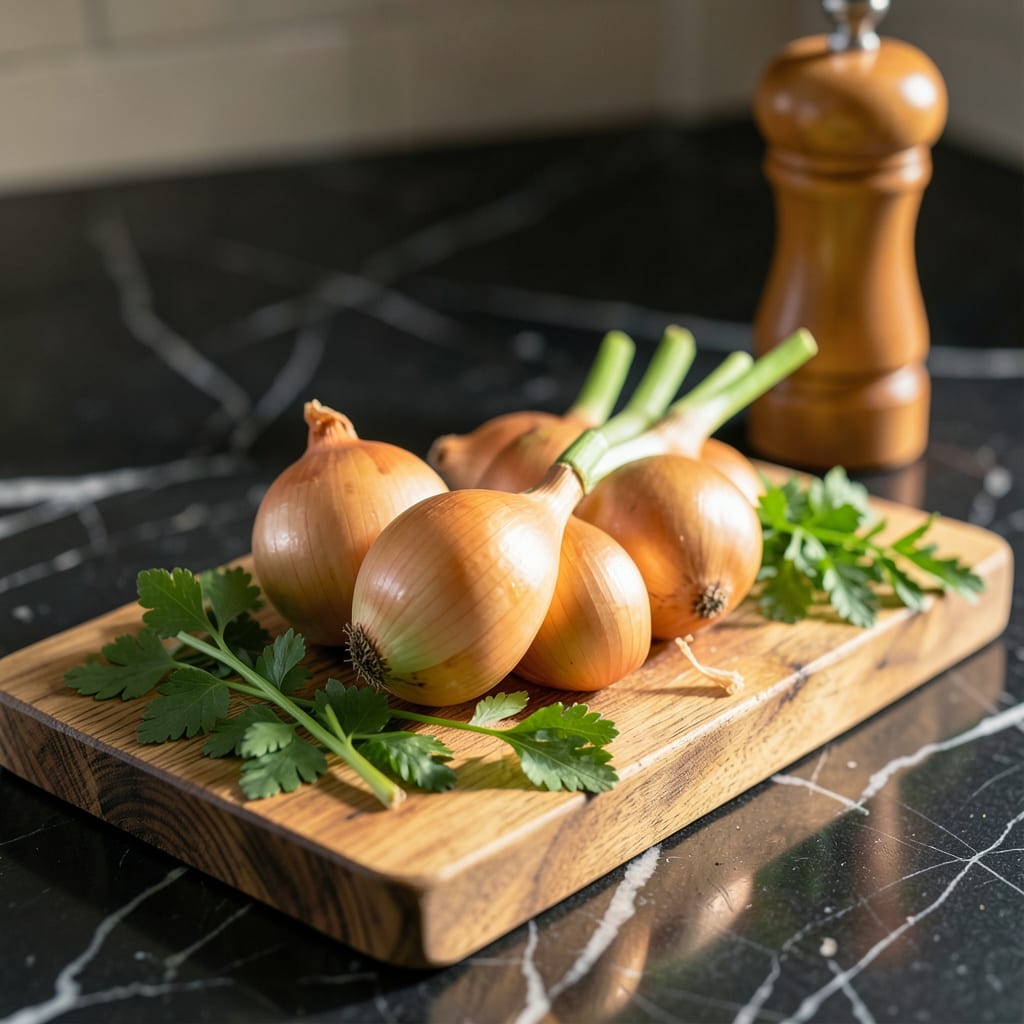
Growing onions 🧅 in Ohio can be a rewarding experience if you time it just right. In USDA Zone 6, the key to success lies in understanding the optimal planting windows – either in early spring or fall.
I’ll guide you through the best times to plant onions in Ohio, ensuring you get a bountiful harvest. Whether you’re planting in March or September, I’ll share the essential tips for a successful crop.
Ideal Time
Also Good
Understanding Ohio’s climate is crucial for successful onion cultivation. As we dive into the specifics, you’ll learn how to time your planting perfectly. Ohio falls within USDA Zone 6, which means we have distinct seasons that affect planting schedules.
The state’s last frost date typically occurs around April 15, while the first frost arrives around October 15. These dates are critical when determining the best times to plant onions. I’ll break down the optimal planting windows for both spring and fall seasons.
For spring planting, it’s essential to get onion sets in the ground 4-6 weeks before the last frost date. This allows the onions to establish themselves before the weather warms up. In Ohio, this usually falls in late March. For fall planting, aim for September or early October, giving the onions enough time to develop before the ground freezes.
The ideal planting months in Ohio are March, April, September, and October. These periods offer the best conditions for onion growth, with moderate temperatures and adequate moisture. Planting during these windows increases the chances of a successful harvest.
Onions require full sun and well-draining soil to thrive. Ohio’s climate provides the necessary chill hours for onion bulbs to form properly. By planting at the right time, you’ll be on your way to enjoying a bountiful onion harvest.
When planning your onion crop, consider the harvest time. For spring-planted onions, expect to harvest in July or August. Fall-planted onions will be ready in May or June of the following year. This staggered harvest allows for a continuous supply of fresh onions throughout the growing season.
Ohio gardeners should also be aware of the state’s frost-free days, which average around 180 days. This information helps in planning the planting schedule and choosing varieties that mature within this timeframe.
To maximize your onion yield, it’s crucial to understand the specific needs of your crop. Onions require consistent moisture, especially during the bulbing stage. However, they don’t like waterlogged soil, so ensuring good drainage is vital.
By following these guidelines and understanding Ohio’s climate, you’ll be well on your way to growing delicious onions. Whether you’re a seasoned gardener or just starting out, timing your onion planting correctly is key to a successful harvest. 🌱
In conclusion, planting onions in Ohio requires careful consideration of the state’s climate and frost dates. By planting at the right time and providing proper care, you’ll be rewarded with a delicious and abundant onion crop. 🧅
Preparing the soil properly is a critical step in growing successful onions in Ohio. I’ll guide you through the essential soil preparation techniques to ensure your onion crop thrives. Onions require well-draining soil with adequate nutrients to form healthy bulbs.
The first step in preparing your soil is to test its pH level. Onions prefer a slightly acidic to neutral soil pH, ranging from 6.0 to 7.0. If your soil is too acidic or alkaline, adjust it accordingly to create an optimal growing environment.
Add 2-3 inches of compost or well-rotted manure to improve soil structure and fertility. This enhances drainage and provides essential nutrients for onion growth.
Onions are heavy feeders and benefit from rich, fertile soil. Incorporate balanced fertilizers according to soil test recommendations. A general guideline is to apply 1 cup of 10-10-10 NPK fertilizer per 10 square feet of bed space.
Soil texture is another crucial factor. Onions prefer loose, well-draining soil that allows their bulbs to expand easily. If your soil is heavy clay or sandy, amend it with organic matter to improve its structure.
Before planting, ensure the soil is free of debris and weeds. Weeds compete with onions for nutrients and water, potentially reducing your yield. Take the time to remove weeds and break up clods to create a smooth, even seedbed.
By following these soil preparation tips, you’ll create an ideal growing environment for your onions. Proper soil preparation sets the foundation for healthy plant growth and a bountiful harvest. 🌼
In summary, preparing your soil is a vital step in growing onions in Ohio. By testing and adjusting your soil’s pH, adding organic matter, and ensuring good drainage, you’ll be well on your way to a successful onion crop. 🧅
After planting onions in Ohio, proper care is essential for a successful harvest. I’ll guide you through the key steps to ensure your onion plants thrive. Onions require consistent moisture, especially during the bulbing stage.
Onions are generally hardy plants, but they can be susceptible to pests like onion maggots and diseases such as downy mildew. Keep an eye out for these issues and take action promptly if you notice any problems.
As your onions grow, they’ll begin to form bulbs. At this stage, it’s crucial to stop watering to allow the bulbs to mature properly. Once the tops start to yellow and fall over, it’s a sign that your onions are ready to harvest.
By following these care tips, you’ll be on your way to growing delicious onions in Ohio.
In summary, caring for onion plants in Ohio involves providing consistent moisture, keeping the area weed-free, and fertilizing regularly. With proper care and attention, you’ll enjoy a successful onion harvest. 🧅
In Ohio, the ideal times to plant onions are in early spring (late March) or fall (September or early October). For spring planting, aim for 4-6 weeks before the last frost date, while fall planting should occur 6-8 weeks before the ground freezes. This timing allows for optimal growth and bulb formation.
Onions are ready to harvest when the tops turn yellow and fall over. This typically occurs in July or August for spring-planted onions and May or June of the following year for fall-planted onions. Check for firm, fully formed bulbs and a sweet aroma at the stem. Harvesting at the right time ensures the best flavor and storage quality.
Onions prefer well-draining soil with a pH between 6.0 and 7.0. They thrive in loose, fertile soil rich in organic matter. To prepare your soil, test its pH level and adjust it if necessary. Incorporate compost or well-rotted manure to improve soil structure and fertility, ensuring optimal onion growth.
Onions require consistent moisture, especially during the bulbing stage. Water them weekly during dry spells, providing about 1 inch of water per week. However, stop watering once the tops begin to yellow and fall over to allow the bulbs to mature properly. Proper watering ensures healthy growth and prevents disease.
