
Beautiful Plants For Your Interior
Beautiful Plants For Your Interior
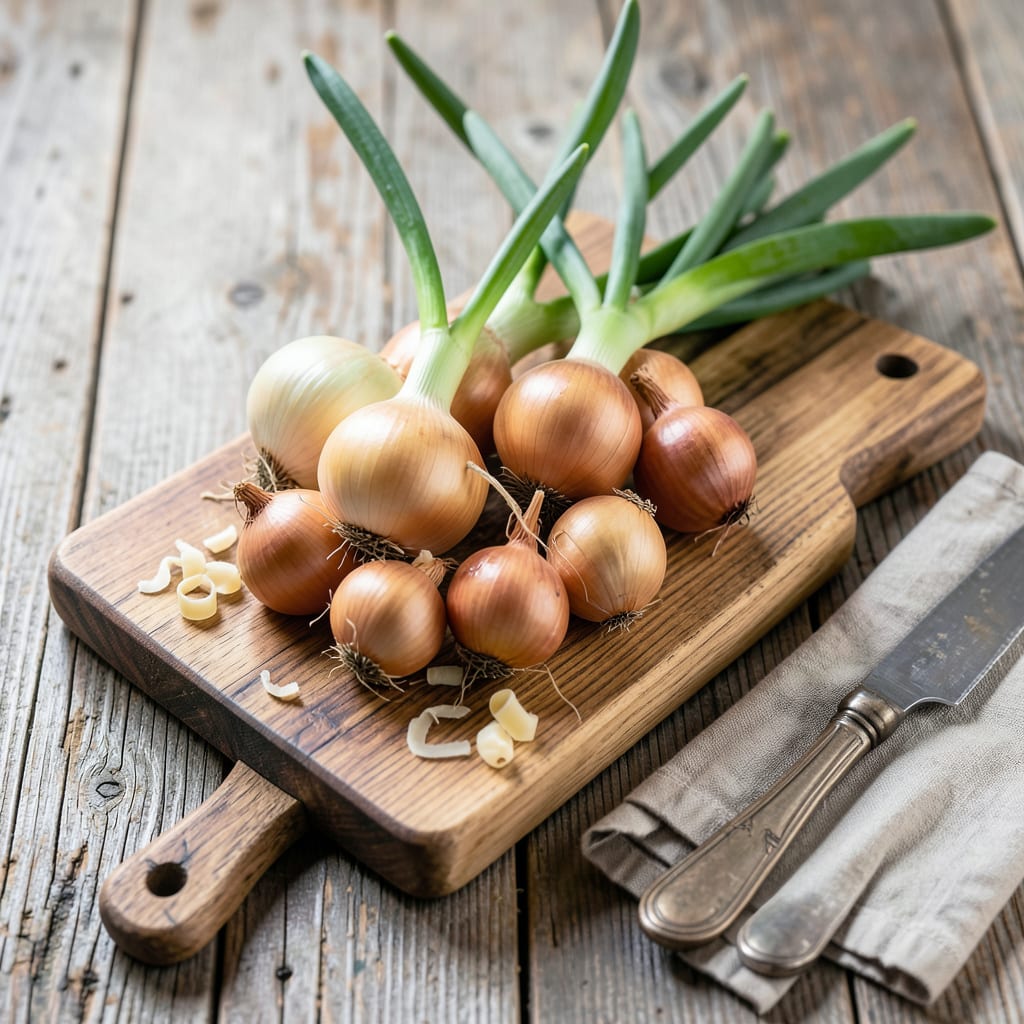
Growing onions 🧅 in Texas can be challenging, but with the right timing, you’ll enjoy a bountiful harvest. The key is understanding when to plant – too early or too late can significantly impact your yield.
In Texas’s climate, particularly in zone 8b, the ideal planting windows are September through December or February through March. Let’s explore how to make the most of these periods for a successful onion harvest.
Ideal Time
Also Good
Planting onions in Texas requires understanding the state’s diverse climate zones and their impact on optimal planting dates. The best time to plant onions varies across different regions, including North, Central, South, and Coastal areas.
Texas’s climate diversity means that onion planting times can differ significantly depending on the region. In general, onions thrive in cooler temperatures during their initial growth phase.
The ideal planting windows for onions in Texas are typically during the fall and late winter to early spring periods. For most regions, planting in the fall allows onions to establish themselves before winter, while spring planting enables them to mature before the hot summer weather.
Onions are typically ready to harvest 90-150 days after planting, depending on the variety and growing conditions. In Texas, this means harvests usually occur in May-June for fall-planted onions and November-December for spring-planted onions.
For specific regions, the planting schedule can be adjusted based on frost dates and soil temperature. Gardeners should check local frost dates and soil conditions to determine the best planting time for their area.
North Texas gardeners should plant onions in September-November or February-March, avoiding the harsh winter months. In Central Texas, the ideal planting times are October-December or February, taking advantage of the mild winters.
South Texas has a longer planting window, with November-December or January-February being suitable for onion planting. The Coastal regions can plant onions in September-October or February-March, benefiting from the moderate climate.
Understanding these regional variations is crucial for successful onion cultivation in Texas. By planting at the right time, gardeners can ensure a healthy crop and maximize their yield 🌼.
It’s also important to consider soil preparation and variety selection when planting onions. Choosing the right onion variety for your region and preparing the soil properly can significantly impact the success of your crop.
For more detailed information on planting onions in specific Texas regions, gardeners can consult local gardening resources or extension services for guidance tailored to their area.
By following these regional planting guides and considering local conditions, Texas gardeners can enjoy a bountiful onion harvest 🌼.
When planting onions in Texas, several critical factors can significantly impact your success. Understanding these elements is essential for maximizing your harvest, regardless of whether you’re in North, Central, South, or Coastal Texas.
Weather patterns play a crucial role in onion cultivation. Texas’s diverse climate means that different regions experience varying weather conditions that can affect onion growth. For instance, the last frost date is a critical factor in determining when to plant onions in the spring.
Texas weather can be unpredictable. Be prepared for unexpected frosts or heatwaves that can impact your onion crop. Monitor local weather forecasts closely during planting season.
Soil temperature is another vital factor in onion planting. Onions prefer cooler soil temperatures for germination, typically between 50°F and 75°F (10°C to 24°C). In Texas, these conditions are usually met during the fall or early spring.
The day length and sunlight exposure also significantly impact onion growth. Onions require full sun to produce well, so choose a planting location that receives at least 6 hours of direct sunlight per day.
Soil quality is essential for healthy onion growth. Onions prefer well-draining, fertile soil rich in organic matter. Before planting, ensure your soil is prepared with adequate nutrients and has good drainage to prevent waterlogged conditions.
By understanding and managing these factors, you can significantly improve your chances of a successful onion harvest in Texas. Whether you’re dealing with the colder winters of North Texas or the milder climate of South Texas, being aware of these elements will help you make informed decisions about your onion planting.
With careful planning and attention to these critical factors, you’ll be well on your way to enjoying a bountiful harvest of delicious homegrown onions. Happy gardening! 🌼
To achieve a bountiful onion harvest in Texas, it’s essential to follow expert advice on soil preparation, variety selection, and planting techniques. By implementing these strategies, you can significantly improve your onion yield and enjoy a successful harvest.
Onions prefer well-draining, fertile soil rich in organic matter. Test your soil pH and amend it if necessary to achieve a pH between 6.0 and 7.0. Add compost or well-rotted manure to improve soil fertility and structure.
Select onion varieties that are well-suited to Texas’s climate, such as ‘Texas Legend’ or ‘Texas Super Sweet’. Consider factors like disease resistance and maturity days when making your selection.
Plant onion sets 1-2 inches deep and 4-6 inches apart. Proper spacing helps prevent overcrowding and promotes healthy bulb formation.
By following these expert tips, you can maximize your onion yield in Texas and enjoy a successful harvest.
With careful planning and attention to these critical factors, you’ll be well on your way to enjoying a bountiful harvest of delicious homegrown onions. Happy gardening! 🌼
The ideal times to plant onions in Texas are during the fall (September-December) and late winter to early spring (February-March). These periods allow onions to establish themselves before extreme weather conditions.
Texas’s diverse climate means onion planting times vary across regions. For example, North Texas gardeners should plant in September-November or February-March, while South Texas has a longer window from November-December or January-February. The specific timing depends on local frost dates and soil conditions.
Onions prefer well-draining, fertile soil with a pH between 6.0 and 7.0. Adding compost or well-rotted manure improves soil fertility and structure. Proper soil preparation is crucial for healthy onion growth and maximum yield.
Onions typically take 90-150 days to mature after planting, depending on the variety and growing conditions. In Texas, harvests usually occur in May-June for fall-planted onions and November-December for spring-planted onions.
