
Beautiful Plants For Your Interior
Beautiful Plants For Your Interior
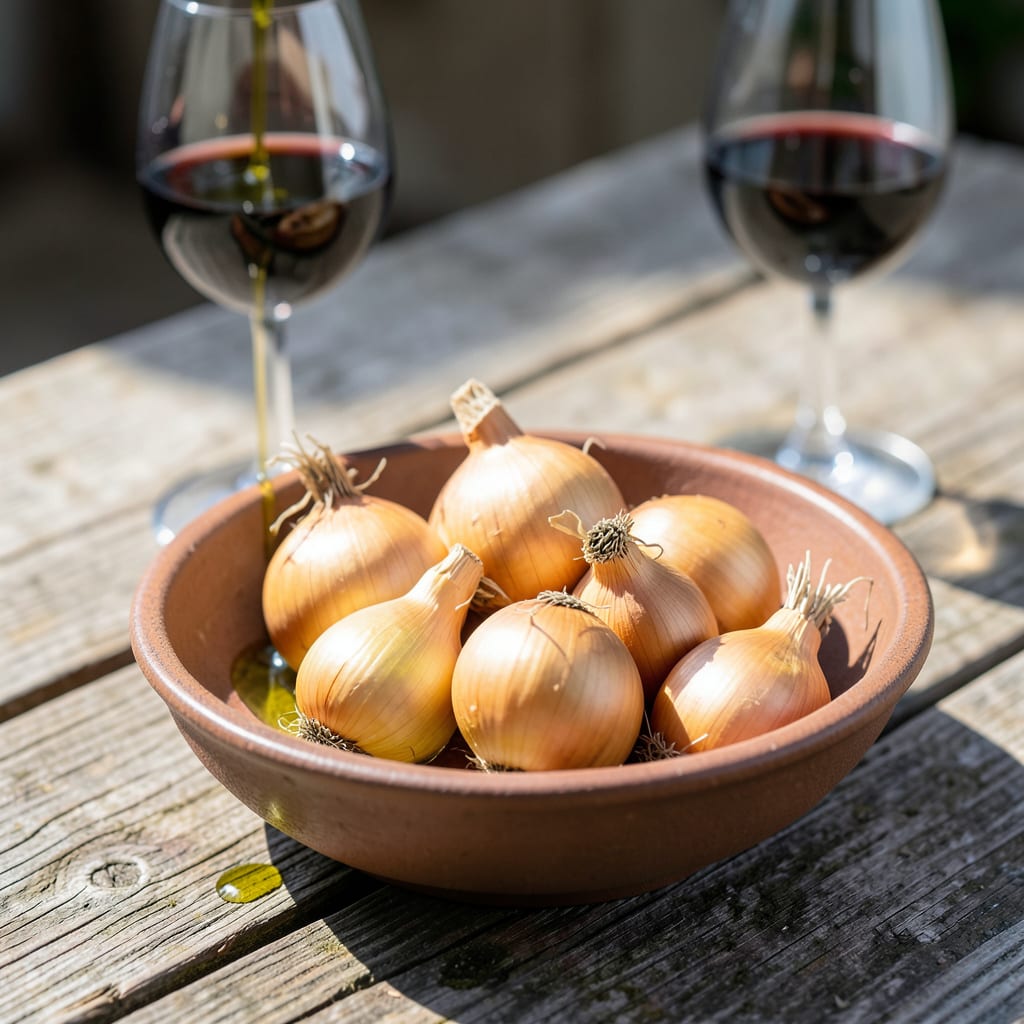
Planting 🧅 onions in Georgia requires precise timing for a bountiful harvest. In USDA zone 8a, you’ll want to plant in fall (September-November) or early spring (February-March).
Understanding these planting windows is key to success. I’ll guide you through the best times and techniques for growing onions in Georgia’s climate, helping you achieve the best possible yields.
Ideal Time
Also Good
Planting onions in Georgia requires understanding the state’s regional climate variations. The ideal planting time differs across northern, central, and southern Georgia due to differences in frost dates and temperature patterns. I’ll break down the best planting times for each region to help you plan your onion crop effectively 🌟.
Georgia’s climate varies significantly from north to south, affecting the optimal onion planting schedule. In general, the state experiences a humid subtropical climate with mild winters and hot, humid summers. This climate influences the onion growing season, making it crucial to choose the right planting time for your specific region.
The fall planting season is generally considered more reliable for onion production in Georgia. Planting onions in the fall allows them to establish themselves before winter, leading to a spring harvest. Spring planting, on the other hand, results in a summer harvest. Understanding these regional differences is key to maximizing your onion yield.
For northern Georgia, the cooler climate means onions should be planted in early to mid-fall or late winter to early spring. In central Georgia, the slightly warmer temperatures allow for a slightly longer planting window in both fall and spring. Southern Georgia‘s warmer climate enables onion planting later in the fall and earlier in the spring compared to the other regions.
It’s essential to note that these are general guidelines. Local frost dates and specific weather conditions can affect the ideal planting times. Checking with local gardening experts or your county extension office can provide more precise information tailored to your specific area.
When planning your onion planting, consider factors such as soil temperature, daylight hours, and moisture levels. These elements play a crucial role in onion growth and development, and understanding their impact can help you make informed decisions about your planting schedule.
In addition to regional variations, soil preparation is critical for successful onion cultivation. Onions prefer well-draining soil with a pH between 6.0 and 7.0. Ensuring your soil meets these conditions will help promote healthy onion growth.
By understanding the best planting times for your region and preparing your soil accordingly, you can set yourself up for success with your onion crop. Whether you’re planting in the fall or spring, careful planning and attention to detail will help you achieve a bountiful harvest.
For more specific advice on growing onions in your area, consider consulting with local gardening experts or visiting your county extension office. They can provide valuable insights and guidance tailored to your region’s unique conditions 🌿.
By following these guidelines and adapting to your region’s specific needs, you’ll be well on your way to growing a successful onion crop in Georgia.
Understanding the factors that affect onion planting success is crucial for achieving a bountiful harvest in Georgia’s unique climate. I’ll explore the key elements that influence onion growth and development, helping you make informed decisions about your planting schedule 🌟.
Georgia’s climate is characterized by mild winters and hot, humid summers, which can impact onion growth. Weather patterns, soil temperature, and daylight hours are critical factors to consider when planting onions in the state.
Onions are sensitive to extreme temperatures and moisture levels. Optimal soil temperature for onion planting is between 55°F and 75°F, with consistent moisture during the germination period.
Soil temperature plays a significant role in onion growth. Onions thrive in temperatures between 55°F and 75°F, making it essential to monitor soil temperature when deciding when to plant. In Georgia’s climate, soil temperature is typically suitable for onion planting during the fall and early spring.
Daylight hours also impact onion growth. Onions require a certain amount of daylight to form bulbs, and Georgia’s latitude provides sufficient daylight during the spring and summer months. Understanding how daylight hours affect onion growth can help you choose the right variety for your region.
In addition to these factors, weather patterns can significantly impact onion crops. Extreme weather conditions, such as drought or excessive rainfall, can affect onion yields. Being aware of these potential challenges can help you prepare and adapt your planting strategy.
To maximize onion yields in Georgia, it’s essential to understand how these factors interact and impact your specific region. By considering soil temperature, daylight hours, and weather patterns, you can make informed decisions about your onion planting schedule and optimize your chances of success 🌿.
For more specific guidance on growing onions in your area, consider consulting with local gardening experts or visiting your county extension office. They can provide valuable insights and recommendations tailored to your region’s unique conditions.
By understanding the factors that affect onion planting success in Georgia’s climate, you can take a proactive approach to optimizing your onion crop. With careful planning and attention to detail, you’ll be well on your way to growing a bountiful harvest of delicious onions 🧅.
To achieve the best onion yields in Georgia, it’s crucial to follow expert advice on soil preparation, variety selection, and care practices. I’ll share valuable tips to help you maximize your onion harvest 🧅.
Select onion varieties that are well-suited to Georgia’s climate. Look for short-day varieties like ‘Texas Super Sweet’ or ‘Granex’, which perform well in the state’s mild winters and hot summers.
Onions prefer well-draining soil with a pH between 6.0 and 7.0. Add compost or well-rotted manure to improve soil fertility and drainage.
Onions need consistent moisture, especially during the germination period. Water them weekly, providing about 1 inch of water per week.
By following these tips, you can significantly improve your onion yields in Georgia gardens.
For more specific guidance on growing onions in your area, consider consulting with local gardening experts or visiting your county extension office. They can provide valuable insights and recommendations tailored to your region’s unique conditions.
With careful planning and attention to detail, you’ll be on your way to growing a bountiful harvest of delicious onions in Georgia 🧅.
In Georgia, the ideal times to plant onions are in fall (September-November) or early spring (February-March). These periods offer the best conditions for onion growth and development. The fall season is generally considered more reliable for onion production .
Georgia’s climate varies significantly from north to south, impacting the optimal onion planting schedule. In northern Georgia, plant onions in early to mid-fall or late winter to early spring. In central Georgia, the slightly warmer temperatures allow for a longer planting window. Southern Georgia‘s warmer climate enables later fall and earlier spring planting .
When planting onions in Georgia, consider soil temperature, daylight hours, and weather patterns. Onions thrive in soil temperatures between 55°F and 75°F and require consistent moisture during germination. Understanding these factors will help you optimize your onion crop .
No, onions are typically planted in either fall or early spring in Georgia. The state’s climate isn’t suitable for year-round onion production. However, by choosing the right variety and planting at the optimal time, you can achieve a bountiful harvest .
