
Beautiful Plants For Your Interior
Beautiful Plants For Your Interior
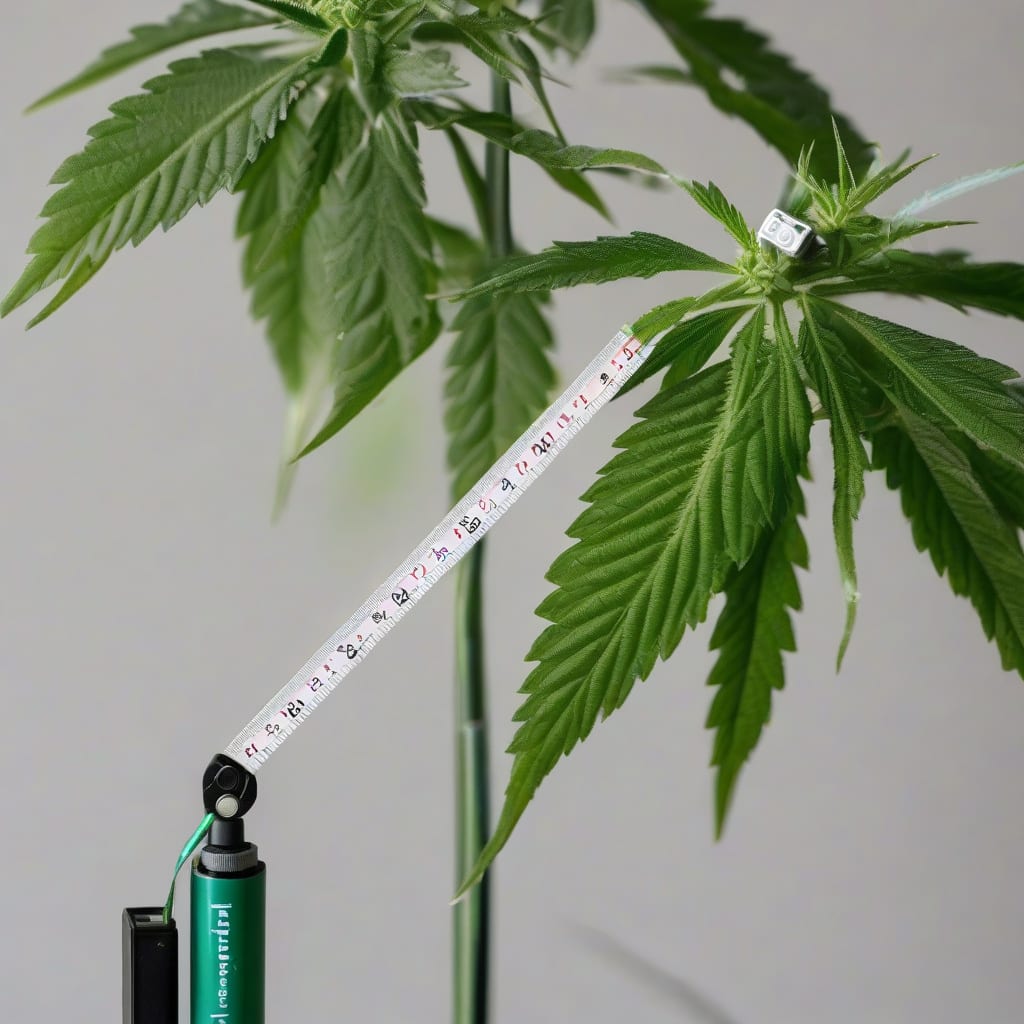
When growing Autoflowering Cannabis 🌿, understanding their height potential is crucial for maximizing your harvest. These plants can grow anywhere from 1 to 6 feet tall, depending on various factors.
Factors such as genetics, growing conditions, and nutrient management play a significant role in determining the final height of your Autoflowering Cannabis plants in USDA Zone 6. Let’s explore these factors and how you can optimize them for a successful harvest.


Autoflowering cannabis plants have revolutionized home cultivation with their compact size and quick growth cycle. Understanding their height potential is crucial for successful growing. The height of autoflowers can vary significantly based on several factors 🌿.
The primary factors influencing autoflower height include genetics, growing environment, and nutrient management. Genetics play a crucial role as different strains have varying growth patterns and maximum heights. Environmental conditions such as light, temperature, and humidity also significantly impact plant growth 🌱.
The genetic makeup of autoflowers is a primary determinant of their height. Different strains have been bred for various characteristics, including size. Some autoflowering strains are naturally more compact, while others can grow taller under the right conditions 🌿.
Environmental factors such as light exposure, temperature, and humidity also play a significant role. Autoflowers generally require 18-20 hours of light per day to thrive. Temperature and humidity levels that are too extreme can stress the plants and limit their growth potential 💡.
Nutrient management is another critical factor. Autoflowers have specific nutrient requirements that, when met, can help them achieve their maximum height potential. A balanced NPK ratio and adequate micro-nutrients are essential for healthy plant development 🌱.
Container size can also impact the height of autoflowers. Larger containers provide more room for root development, which can support taller plants. However, autoflowers are generally adaptable to various container sizes due to their compact nature 📦.
Understanding these factors and how they interact is key to managing the height of autoflowers effectively. By optimizing genetics, environment, and nutrients, growers can achieve the desired height for their plants 🌼.
For most growers, the goal is to balance height with overall plant health and yield. While taller plants can produce more buds, they also require more support and space. Compact autoflowers, on the other hand, are ideal for smaller grow areas 🌻.
Monitoring and adjusting growing conditions throughout the plant’s life cycle is crucial. This includes maintaining optimal temperature and humidity levels, providing adequate light, and ensuring proper nutrient uptake 🌟.
By carefully managing these factors, growers can influence the height of their autoflowers and achieve a successful harvest. Whether growing in indoor or outdoor settings, understanding and optimizing these elements will lead to healthier, more productive plants 🌱.
In conclusion, the height of autoflowers is influenced by a combination of genetics, environmental conditions, and nutrient management. By understanding and optimizing these factors, growers can achieve their desired plant height and maximize their harvest 🌿.
To achieve the maximum height potential of autoflowers, growers must focus on optimizing growing conditions and employing effective training techniques. The right combination of light, nutrients, and care can significantly impact the final height of these plants 🌿.
One of the most critical factors in maximizing autoflower height is providing adequate light. Autoflowers thrive under 18-20 hours of light per day, which can be achieved using grow lights in indoor settings or by ensuring full sun exposure outdoors 🌞.
Provide 18-20 hours of light daily to promote healthy growth and maximize height potential.
Use a balanced NPK ratio and ensure adequate micro-nutrients for optimal growth.
Low-Stress Training (LST) can help control height while increasing yield potential.
In addition to lighting, nutrient management plays a vital role in maximizing autoflower height. A balanced fertilizer with the right NPK ratio supports healthy plant development and can help achieve maximum height 🌱.
Training techniques such as Low-Stress Training (LST) can also be employed to control the height of autoflowers while potentially increasing their yield. By gently bending and securing branches, growers can create a more even canopy and improve light distribution 🌼.
It’s essential to monitor and adjust growing conditions throughout the plant’s life cycle. Maintaining optimal temperature and humidity levels, along with proper nutrient uptake, will contribute to healthier and more productive plants 🌟.
By implementing these expert growing tips and techniques, growers can effectively maximize the height potential of their autoflowers and achieve a successful harvest 🌱.
When growing autoflowers in limited spaces, managing their height becomes crucial for a successful harvest. Autoflowers can grow between 1 to 6 feet tall, but there are strategies to control their height 🌿.
One effective method is selecting compact autoflower strains that are naturally bred to be smaller. These strains are ideal for small grow areas and can thrive in containers as small as 3-5 gallons 📦.
Use Low-Stress Training (LST) to control height and maximize space. This technique involves gently bending and securing branches to create a more even canopy 🌼.
Container size also plays a significant role in managing autoflower height. While larger containers can support taller plants, smaller containers can help restrict root growth and limit overall plant height 🌿.
Pruning techniques such as topping or trimming can also be used to control the height of autoflowers. However, these methods should be used cautiously as they can stress the plants if not done properly 🌻.
By combining these strategies—selecting compact strains, using appropriately sized containers, and employing careful pruning techniques—growers can effectively manage the height of their autoflowers even in limited growing spaces 🌱.
Successful management of autoflower height in small spaces requires careful planning and attention to detail. By understanding the factors that influence height and implementing the right strategies, growers can achieve a bountiful harvest even in challenging environments 🌟.
In conclusion, managing autoflower height in limited growing spaces is achievable through a combination of strain selection, container management, and careful training techniques. By optimizing these factors, growers can enjoy a successful harvest regardless of space constraints 🌿.
