
Beautiful Plants For Your Interior
Beautiful Plants For Your Interior
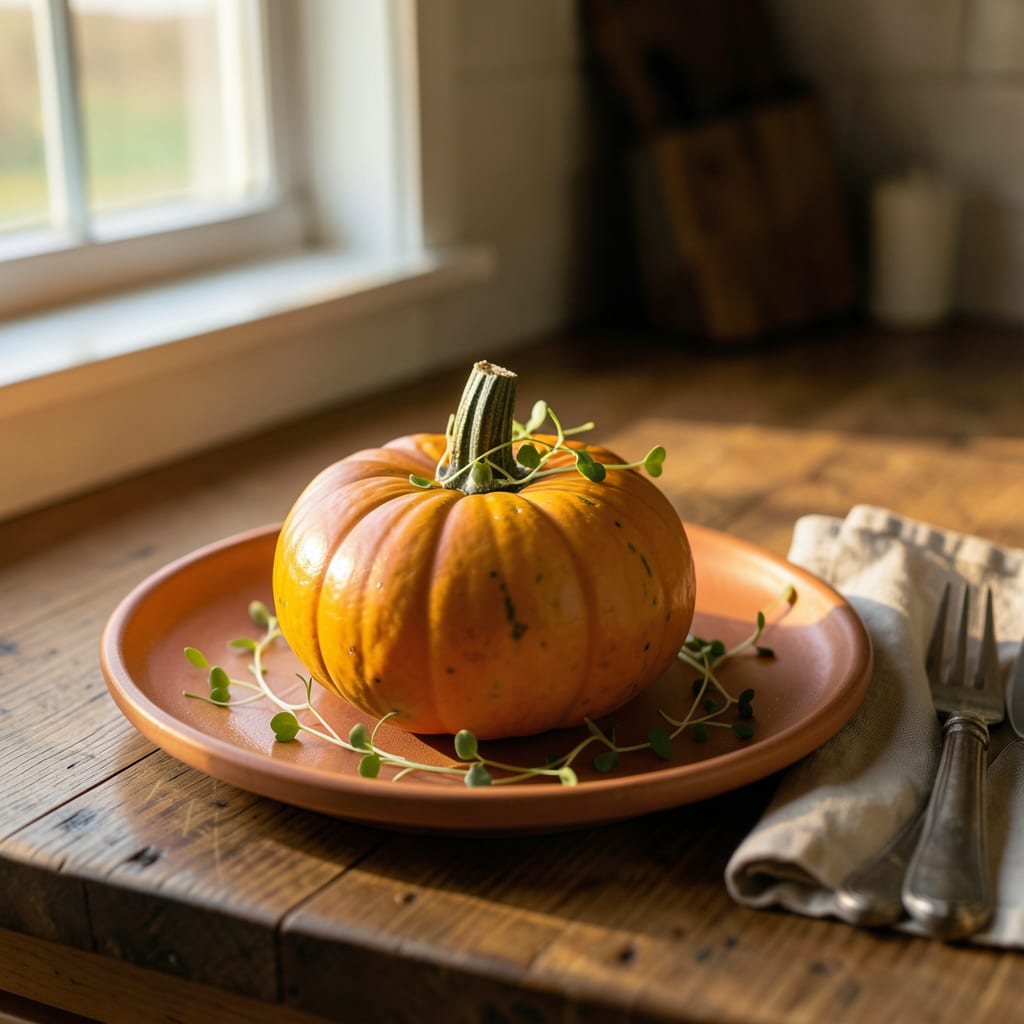
Growing pumpkins 🎃 in Pennsylvania can be challenging due to the state’s climate. To achieve a successful harvest, timing is everything – planting at the right time ensures your pumpkins have enough time to mature before the first frost.
In Pennsylvania’s USDA Zone 6a, the ideal time to plant pumpkins is in late May to early June, when the soil has warmed up to at least 60°F. This allows for optimal growth and a bountiful harvest in September or October.
Ideal Time
Also Good
Understanding the ideal pumpkin planting times in Pennsylvania is crucial for a successful harvest. The state’s climate varies significantly across different regions, making it essential to consider factors like frost dates and soil temperature.
Pennsylvania’s USDA Zone 6a has a last frost date around April 15 and a first frost date around October 15, giving pumpkin plants approximately 180 frost-free days. This duration is sufficient for most pumpkin varieties to mature.
The ideal time to plant pumpkins in Pennsylvania is in late May to early June, when the soil has warmed up sufficiently. This timing allows the plants to mature before the first frost in October.
Pumpkin plants require full sun and well-draining soil to thrive. Ensuring your garden receives at least 6 hours of direct sunlight daily is crucial for optimal growth.
Soil temperature is a critical factor in pumpkin cultivation. The soil should be at least 60°F at planting time. You can use a soil thermometer to check the temperature.
In Pennsylvania, the last frost date varies by region. It’s essential to wait until after this date to plant pumpkins outside. For most areas, this means planting in late May.
Pumpkins need 100-120 days to mature from sowing the seeds. Counting backward from the expected first frost date in your area can help you determine the optimal planting time.
Regional variations within Pennsylvania can affect the optimal planting time. Gardeners in the western part of the state may need to wait a bit longer than those in the eastern regions.
To ensure a successful harvest, it’s crucial to choose pumpkin varieties that are suitable for the Pennsylvania climate and have a maturity period that fits within the state’s growing season.
By understanding these factors and planning accordingly, Pennsylvania gardeners can enjoy a bountiful pumpkin harvest in the fall. Proper timing and preparation are key to growing healthy and productive pumpkin plants.
For more specific advice tailored to your region, consider consulting local gardening resources or your county’s cooperative extension service. They can provide valuable insights into the best practices for pumpkin cultivation in your area.
Preparing your garden for pumpkin planting is a crucial step in ensuring a successful harvest. In Pennsylvania, gardeners need to consider factors like soil quality, sunlight, and space when planning their pumpkin patch.
Pumpkin plants require full sun and well-draining soil to thrive. Ensuring your garden receives at least 6 hours of direct sunlight daily is essential for optimal growth.
Test your soil pH and amend it if necessary. Pumpkins prefer a slightly acidic to neutral soil pH (6.0-7.0).
Soil preparation is critical for pumpkin cultivation. The soil should be rich in organic matter and have good drainage. Adding compost or well-rotted manure can help improve soil quality.
When selecting a pumpkin variety, consider factors like maturity days, size, and disease resistance. Choose varieties that are suitable for the Pennsylvania climate and have a maturity period that fits within the state’s growing season.
Pumpkin plants need adequate space to spread out. Ensure that you provide enough room between plants (at least 5 feet) and between rows (about 10 feet).
In Pennsylvania, gardeners should be aware of the regional variations in climate and soil conditions. Adjust your planting schedule and garden preparation accordingly to ensure a successful harvest.
By following these tips and preparing your garden properly, you’ll be well on your way to growing healthy and productive pumpkin plants in Pennsylvania.
For more specific advice tailored to your region, consider consulting local gardening resources or your county’s cooperative extension service. They can provide valuable insights into the best practices for pumpkin cultivation in your area.
Proper care is essential for a successful pumpkin harvest in Pennsylvania. To ensure healthy growth and maximum yield, gardeners should focus on effective watering strategies, pest management, and disease prevention.
Pumpkin plants require consistent moisture, especially during fruit development. Water them weekly, providing about 1 inch of water per session. The best time to water is in the morning, before 10 AM, to minimize evaporation and reduce the risk of fungal diseases.
In Pennsylvania’s climate, pumpkin plants are susceptible to various pests and diseases. Regular monitoring and timely intervention are crucial. Use organic pest control methods whenever possible to minimize harm to beneficial insects and the environment.
Disease prevention is also vital. Practice crop rotation to reduce the risk of soil-borne diseases. Remove any infected plants promptly to prevent the spread of disease to healthy plants.
By following these care tips, Pennsylvania gardeners can enjoy a healthy and productive pumpkin harvest. Proper care and attention to detail are key to growing high-quality pumpkins.
For more specific advice on caring for your pumpkin plants, consult local gardening resources or your county’s cooperative extension service. They can provide valuable insights into the best practices for pumpkin cultivation in your area.
The ideal time to plant pumpkins in Pennsylvania is in late May to early June, when the soil has warmed up to at least 60°F. This allows for optimal growth and a bountiful harvest in September or October.
Pumpkins typically take 100-120 days to mature from sowing the seeds. Counting backward from the expected first frost date in your area can help you determine the optimal planting time.
When planting pumpkins in Pennsylvania, consider factors like soil temperature, frost dates, and regional variations in climate and soil conditions. Ensure your garden receives full sun and has well-draining soil. Proper preparation is key to a successful harvest.
Yes, you can start pumpkin seeds indoors 2-3 weeks before the last frost date. Use biodegradable pots to minimize transplant shock. Harden off the seedlings before moving them outdoors when the soil has warmed up. This head start can give your pumpkins a boost.
