
Beautiful Plants For Your Interior
Beautiful Plants For Your Interior
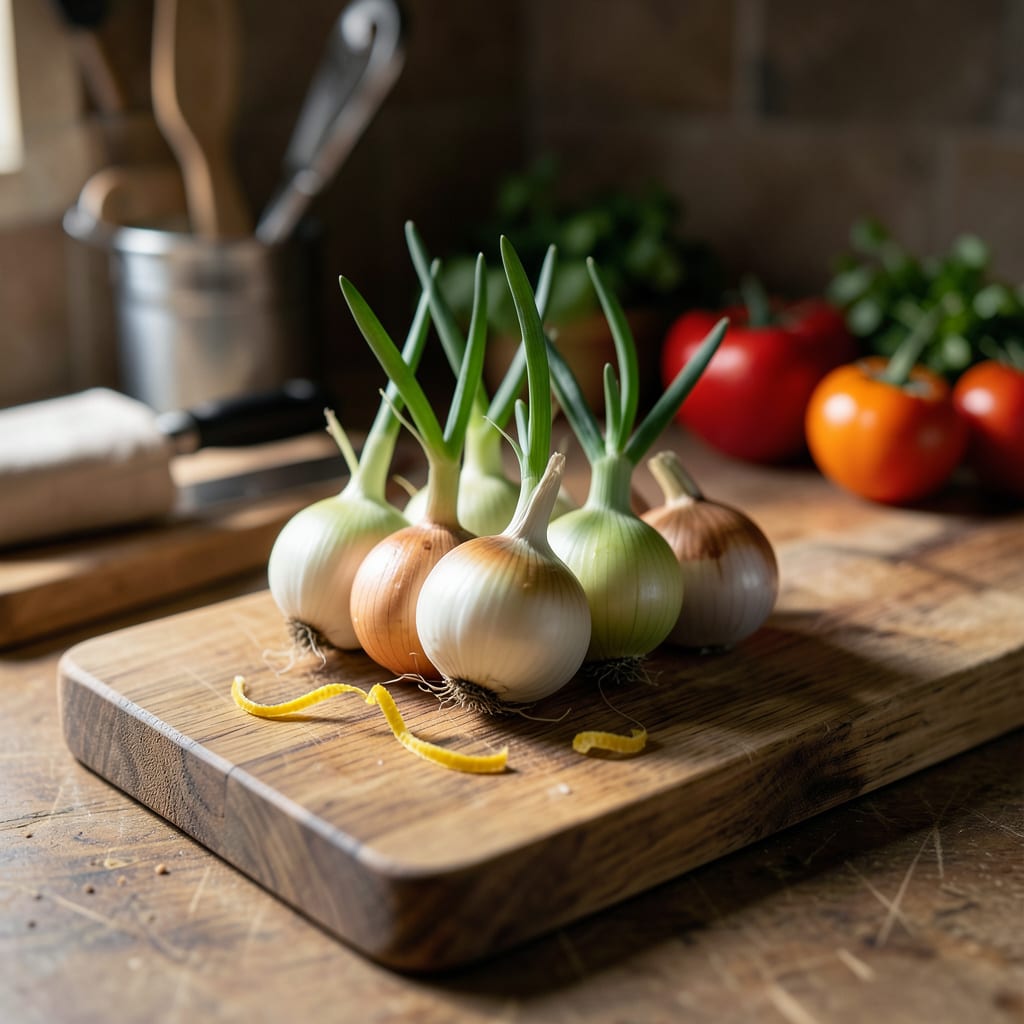
Growing 🧅 onions in Pennsylvania can be challenging due to the state’s climate. Understanding the ideal planting times is crucial for a successful harvest.
In Pennsylvania’s USDA Zone 6a, the best times to plant 🧅 onions are in early spring (March-April) or fall (September-October). I’ll guide you through the factors to consider and tips for optimal onion cultivation in the state.
Ideal Time
Also Good
Understanding the best time to plant onions in Pennsylvania is crucial for a successful harvest. The state’s climate varies significantly across different regions, making it essential to consider the specific conditions in your area.
In Pennsylvania, which falls under USDA Zone 6a, there are two primary seasons for planting onions: spring and fall. The ideal planting times are in early spring (March-April) or fall (September-October).
The spring planting season typically starts in late March to early April. This allows the onions to mature before the hot summer weather sets in. For spring planting, it’s recommended to use onion sets rather than seeds, as they establish more quickly.
For a fall crop, onions should be planted in September or early October. This timing gives the onions enough time to establish before the ground freezes. Fall-planted onions often produce larger bulbs and can be harvested in late spring or early summer of the following year.
Soil temperature is another critical factor when planting onions in Pennsylvania. Onions prefer cooler soil temperatures for planting, typically between 40°F to 70°F (4°C to 21°C). In the spring, this usually coincides with the soil being workable after the winter thaw.
Regional climate variations within Pennsylvania can affect the specific planting times. Areas with warmer microclimates, such as southeastern Pennsylvania, may be able to plant onions slightly earlier in the spring or later in the fall compared to colder regions like northeastern Pennsylvania.
To ensure a successful onion crop, it’s also important to choose the right onion variety for your region and intended use. Some onion varieties are better suited for storage, while others are ideal for fresh consumption or specific culinary uses.
Monitoring weather forecasts and being prepared to protect young onion plants from unexpected late frosts in the spring or early frosts in the fall can help ensure a healthy crop.
By understanding these factors and planning accordingly, Pennsylvania gardeners can enjoy a bountiful harvest of delicious homegrown onions.
For more specific guidance tailored to your exact location within Pennsylvania, consulting with local gardening experts or your county’s cooperative extension service can provide valuable insights into the best practices for onion cultivation in your area.
Preparing the soil properly is a critical step in growing successful onions in Pennsylvania. Onions require well-draining soil with a pH between 6.0 and 7.0 for optimal growth. I’ll guide you through the essential soil preparation techniques to ensure a bountiful harvest.
The first step in preparing your soil is to test its pH level and nutrient content. You can purchase a soil testing kit or consult with your local cooperative extension service for guidance. Based on the test results, you may need to adjust the pH by adding lime to raise it or sulfur to lower it.
For optimal onion growth, ensure your soil has adequate drainage and is rich in organic matter. Add compost or well-rotted manure to improve soil structure and fertility.
Onions are heavy feeders and benefit from rich, fertile soil. Incorporating compost or well-rotted manure into the soil before planting can provide essential nutrients. Additionally, consider applying a balanced fertilizer according to the package instructions to give your onions a good start.
Soil texture is another important factor to consider. Onions prefer loose, friable soil that allows for proper bulb formation. If your soil is heavy clay or compacted, consider adding organic matter to improve its structure. Raised beds can also be an effective solution for growing onions in challenging soil conditions.
Before planting, it’s essential to remove any weeds and break up the soil to a depth of about 8-10 inches. This will help create a smooth, even surface for planting and reduce competition for nutrients and water.
By following these soil preparation tips, you’ll be well on your way to growing healthy, flavorful onions in Pennsylvania.
For more specific guidance on soil preparation and onion cultivation in your area, consider consulting with local gardening experts or your county’s cooperative extension service. They can provide valuable insights and recommendations tailored to your region’s unique conditions.
With proper soil preparation and care, you can enjoy a bountiful harvest of delicious homegrown onions in Pennsylvania. Happy gardening! 🌼
Pennsylvania’s diverse climate and geography mean that onion planting times can vary significantly across different regions. Understanding these regional variations is crucial for optimizing onion cultivation throughout the state 🌼.
In southeastern Pennsylvania, which includes areas like Philadelphia and Lancaster, the climate is generally milder compared to other parts of the state. This region typically experiences a longer growing season, allowing for earlier spring planting and later fall planting of onions.
By understanding these regional differences and adjusting planting times accordingly, Pennsylvania gardeners can maximize their onion yields and enjoy a successful harvest.
For more specific guidance tailored to your exact location, consulting with local gardening experts or your county’s cooperative extension service can provide valuable insights into the best practices for onion cultivation in your area.
With proper planning and attention to regional climate variations, you can enjoy a bountiful harvest of delicious homegrown onions in Pennsylvania. Happy gardening! 🌱
In Pennsylvania, the ideal times to plant onions are in early spring (March-April) or fall (September-October). For spring planting, aim for 4-6 weeks before the last frost date. For fall planting, plant 6-8 weeks before the first frost date. This timing allows for optimal growth and bulb formation.
Onions prefer well-draining soil with a pH between 6.0 and 7.0. Test your soil pH and nutrient content before planting. Add compost or well-rotted manure to improve soil structure and fertility. Remove weeds and break up the soil to a depth of 8-10 inches to create a smooth surface for planting.
It’s not recommended to plant onions in the same spot every year. Rotate your onion crop to avoid depleting the soil of nutrients and to reduce the risk of disease buildup. Choose a different location for your onion crop each year, and consider a 3-4 year rotation cycle.
Onions require consistent moisture, especially during the growing season. Water your onion crop weekly, providing about 1 inch of water per week. Adjust watering frequency based on weather conditions, and avoid overwatering, which can lead to rot and other issues.
