
Beautiful Plants For Your Interior
Beautiful Plants For Your Interior
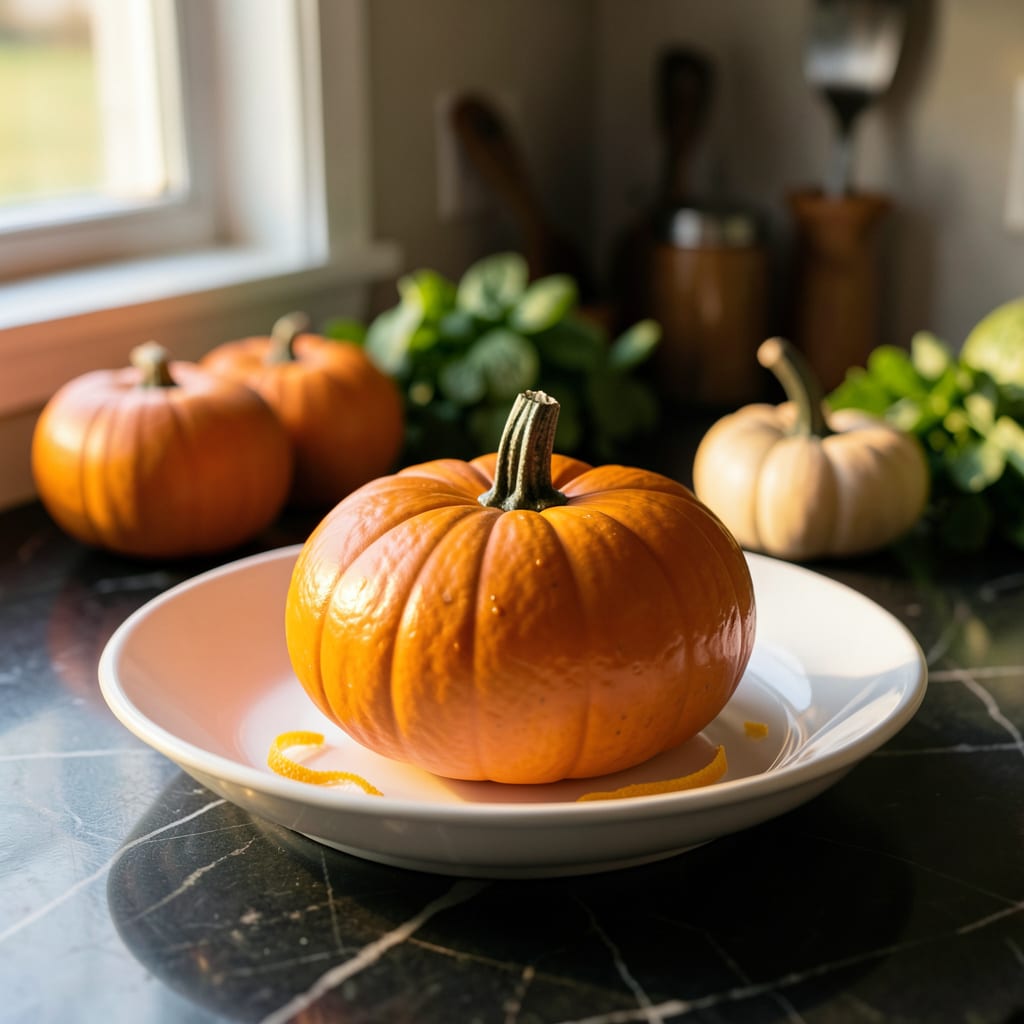
Growing 🎃 pumpkins in Missouri requires precise timing for a successful harvest. The state’s climate and frost dates play a crucial role in determining the best planting time.
In Missouri, which falls within USDA Zone 6, the ideal time to plant pumpkins is in late spring when the soil has warmed up. I’ll guide you through the factors to consider and tips for a bountiful harvest.
Ideal Time
Also Good
Growing pumpkins in Missouri requires understanding the state’s climate and frost dates to determine the ideal planting time. Missouri’s continental climate with hot summers and cold winters means timing is crucial for a successful harvest 🎃.
The last frost date is a critical factor in deciding when to plant pumpkins. In Missouri, this date varies by region but generally falls around mid-April to late April. Pumpkins need warm soil to germinate and grow, so it’s essential to wait until the soil temperature reaches at least 60°F (15°C).
Missouri’s USDA Zone 6 classification means that the state experiences a moderate climate with distinct seasons. Pumpkins require a long growing season, typically needing 90 to 120 days to mature from sowing the seeds.
To ensure a successful harvest, it’s crucial to plant pumpkins at the right time. Planting too early can expose young seedlings to late frosts, while planting too late may not give the pumpkins enough time to mature before the first fall frost, which in Missouri usually occurs around mid-October.
Here’s a breakdown of the key factors to consider when planting pumpkins in Missouri:
Spring Planting: In Missouri, the ideal time to plant pumpkins is in late May to early June, when the soil has warmed up and the risk of frost has passed.
Soil Preparation: Pumpkins prefer well-draining soil with a pH between 6.0 and 6.8. Adding compost or well-rotted manure can improve soil fertility and drainage.
Sunlight Requirements: Pumpkins need full sun to produce a bountiful harvest. Choose a location that receives at least 6 hours of direct sunlight per day.
Common Pests: Keep an eye out for pests like squash bugs and powdery mildew. Using crop rotation and organic pest control methods can help mitigate these issues.
By understanding these factors and planning accordingly, Missouri gardeners can enjoy a successful pumpkin harvest. Whether you’re growing pumpkins for decoration or for a delicious pie, proper timing and care are key to a rewarding experience 🎃.
For more specific guidance tailored to your region within Missouri, consider consulting local gardening resources or extension services for the most up-to-date advice on planting pumpkins.
When planting pumpkins in Missouri, it’s essential to consider the regional variations in climate and frost dates. The state’s diverse geography means that different areas have different ideal planting times 🎃.
Missouri can be broadly divided into three regions: Northern, Central, and Southern. Each region has its unique characteristics that affect pumpkin cultivation.
These regional differences are crucial because they help gardeners time their pumpkin planting correctly. Planting at the right time ensures that the pumpkin vines have enough time to mature before the first fall frost 🌟.
In addition to frost dates, soil temperature is another critical factor. Pumpkins thrive in warm soil, typically above 60°F (15°C). Using a soil thermometer can help you determine when the soil is ready for planting.
To further optimize your pumpkin planting schedule, consider the average frost-free period in your region. Missouri’s frost-free period varies from 180 to 200 days across different areas.
By understanding these regional factors and adjusting your planting schedule accordingly, you can significantly improve your chances of a successful pumpkin harvest in Missouri.
For more specific guidance tailored to your exact location within Missouri, consult local gardening experts or check with your county’s extension office for the most accurate and up-to-date information.
To achieve a successful pumpkin harvest in Missouri, it’s crucial to understand the factors that contribute to healthy pumpkin growth. Proper care and attention to detail can make a significant difference in the quality and quantity of your pumpkin crop 🌼.
For optimal pumpkin growth, ensure your soil is well-draining and rich in organic matter. Adding compost or well-rotted manure can significantly improve soil fertility and structure.
Pumpkins require full sun to produce a bountiful harvest. Choose a location that receives at least 6 hours of direct sunlight per day. This will help promote healthy vine growth and fruit development ☀️.
Soil preparation is another critical factor in growing pumpkins. The ideal soil pH for pumpkins is between 6.0 and 6.8. Testing your soil and amending it as necessary can help ensure optimal growing conditions.
Common pests like squash bugs and powdery mildew can significantly impact pumpkin yields. Using crop rotation and organic pest control methods can help mitigate these issues and promote a healthy harvest.
By following these tips and providing your pumpkin plants with the right conditions, you can enjoy a successful and rewarding harvest in Missouri. Happy growing! 🎃
Pumpkins thrive in warm soil, so it’s essential to wait until the soil temperature reaches at least 60°F (15°C). This usually occurs in late May to early June in Missouri. Using a soil thermometer can help you determine when the soil is ready for planting.
Pumpkins typically require 90 to 120 days to mature from sowing the seeds. In Missouri, this means planting in late May to early June should result in a harvest around September or October. Be sure to check the specific variety’s days to maturity for more precise timing.
Yes, Missouri’s diverse geography means that different regions have different ideal planting times. Southern Missouri can plant earlier (early to late May), while Northern Missouri should wait until late May to early June. Check local gardening resources for specific guidance tailored to your area.
Pumpkin growers in Missouri should watch out for pests like squash bugs and diseases such as powdery mildew. Using crop rotation and organic pest control methods can help mitigate these issues and promote a healthy harvest. Regular monitoring is key to preventing infestations.
