
Beautiful Plants For Your Interior
Beautiful Plants For Your Interior
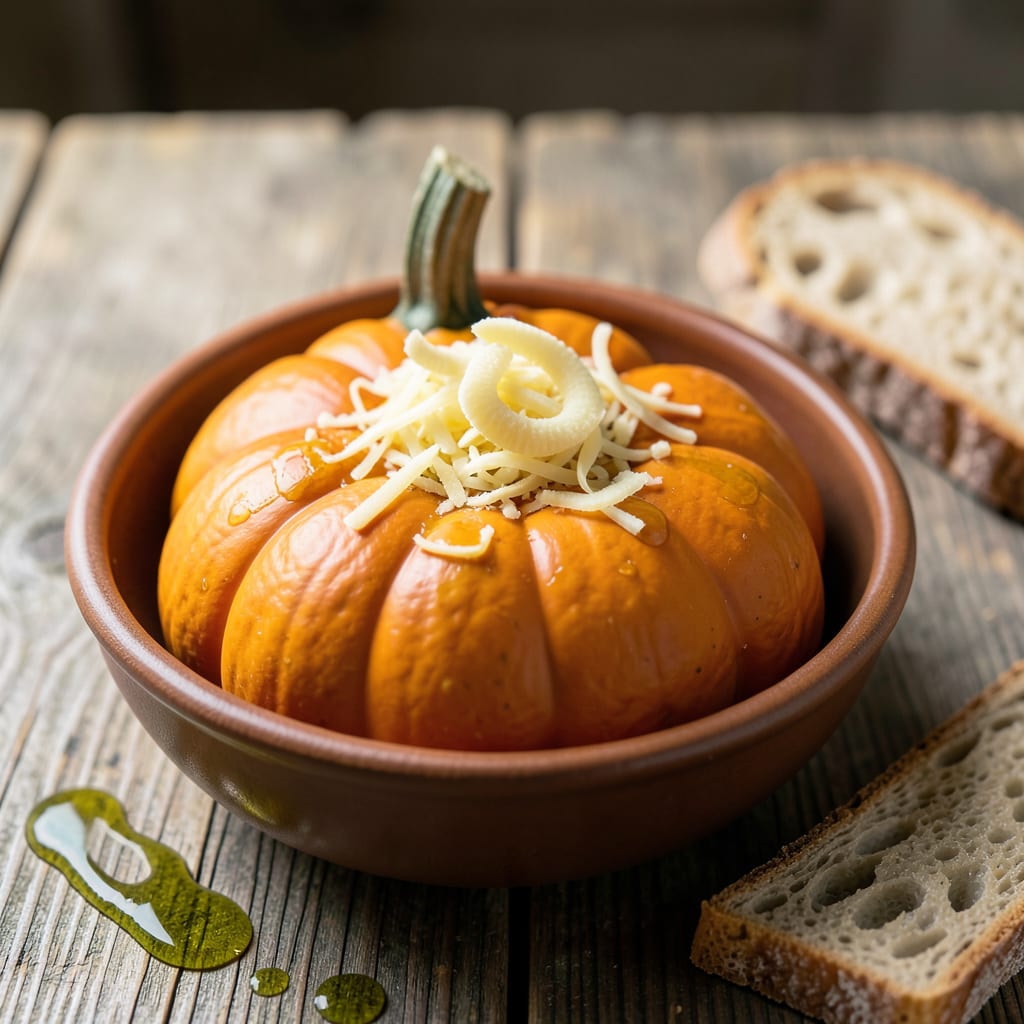
Growing pumpkins 🎃 in Kansas can be a rewarding experience if you time it just right. The key is to plant at the perfect moment to ensure a bountiful harvest in the fall.
In Kansas, where the climate can be quite unpredictable, knowing the best planting time is crucial. I’ll guide you through the optimal period for planting pumpkins in the Jayhawk State.
When it comes to planting pumpkins in Kansas, timing is everything. The state’s diverse climate zones and varying regional conditions require careful planning to ensure a successful harvest 🎃.
I recommend understanding the optimal planting times for different regions of Kansas to maximize your pumpkin yield. Kansas spans USDA hardiness zones 5b to 7a, which means planting times can vary significantly across the state.
The ideal planting window for pumpkins in Kansas is typically between late May and early June. This period allows the plants to mature before the first frost, which usually occurs around mid-October 🌟.
In Western Kansas, where the climate is generally drier, it’s best to plant pumpkins in late May. This allows the plants to take advantage of the remaining growing season and avoid the intense summer heat 🌡️.
Central Kansas experiences a more moderate climate, making early June an ideal time for planting pumpkins. The soil has usually warmed up sufficiently by then, promoting healthy germination and growth 🌱.
For gardeners in Eastern Kansas, the optimal planting time falls between late May and early June. This region’s slightly longer growing season provides a bit more flexibility, but it’s still crucial to plant before the summer heat becomes too intense 🔥.
Understanding these regional differences is key to successful pumpkin cultivation in Kansas. By planting at the right time, you’ll be on your way to a bountiful harvest of delicious pumpkins 🎃.
To further optimize your pumpkin planting, consider factors such as soil temperature and frost dates. Pumpkins thrive in soil temperatures between 60°F and 95°F, with optimal germination occurring at around 85°F 🌡️.
The last frost date for most of Kansas is around April 15, so it’s essential to wait until after this date before planting pumpkins directly outdoors ⏰.
By carefully planning your pumpkin planting based on these regional guidelines and environmental factors, you’ll be well on your way to growing a successful crop of pumpkins in Kansas 🎃.
To achieve a successful pumpkin harvest in Kansas, it’s crucial to prepare your soil properly. Proper soil preparation sets the foundation for healthy plant growth and maximizes your yield 🎃.
I recommend starting with a soil test to determine your soil’s pH level and nutrient content. Kansas soils tend to be rich in nutrients, but they can sometimes be too alkaline for optimal pumpkin growth 🌱.
For optimal pumpkin growth, aim for a slightly acidic to neutral soil pH between 6.0 and 6.8. If your soil is too alkaline, consider amending it with organic matter like compost or well-rotted manure to lower the pH and improve soil structure.
Pumpkins are heavy feeders and benefit from nutrient-rich soil. I suggest incorporating compost or well-rotted manure into your soil to boost its fertility and structure 🌿.
In addition to improving soil fertility, it’s essential to ensure your soil has good drainage and aeration. Pumpkins don’t like wet feet, so if your soil tends to be heavy clay, consider raising your beds or adding organic matter to improve its structure 🌟.
Another critical factor is soil temperature. Pumpkins thrive in soil temperatures between 60°F and 95°F, with optimal germination occurring at around 85°F 🌡️.
By focusing on these key aspects of soil preparation, you’ll create an ideal environment for your pumpkins to grow and thrive in Kansas’s climate 🎃.
To summarize, here are the key steps for preparing Kansas soil for pumpkin planting:
By following these steps and understanding the specific needs of pumpkins in Kansas, you’ll be well on your way to a successful harvest 🎃.
When planting pumpkins in Kansas, it’s essential to avoid common mistakes that can significantly impact your harvest. By understanding these pitfalls, you can take proactive steps to ensure a successful crop 🎃.
I recommend being aware of improper timing, as it can be detrimental to your pumpkin plants. Planting too early can expose them to frost damage, while planting too late may not give them enough time to mature before the first frost ⏰.
Plant pumpkins after the last frost date when soil has warmed to at least 60°F. For Kansas, this is typically around late May to early June. Avoid planting during extreme weather conditions 🔥.
Another critical mistake is inadequate spacing. Pumpkins need plenty of room to spread out, so ensure you provide adequate spacing between plants to promote healthy growth and air circulation 🌿.
Poor soil preparation is also a common error. Pumpkins are heavy feeders and require well-draining, nutrient-rich soil. I suggest testing your soil and amending it if necessary to create an optimal growing environment 🌟.
To avoid these mistakes and ensure a successful harvest, follow these key guidelines:
By avoiding these common mistakes and following best practices, you’ll be well on your way to growing a successful crop of pumpkins in Kansas 🎃.
Pumpkins thrive in soil temperatures between 60°F and 95°F, with optimal germination occurring at around 85°F.
Water your pumpkin plants weekly during spring and fall, and twice a week during summer. Ensure the soil remains consistently moist but not waterlogged.
To prevent pests, maintain good garden hygiene, remove weeds, and use organic pest control methods when necessary. Regularly inspect your plants for signs of pests or diseases.
Yes, you can grow pumpkins in containers in Kansas. Choose a large container with good drainage, and ensure it receives full sun. Use a well-draining potting mix and follow proper care guidelines.
