
Beautiful Plants For Your Interior
Beautiful Plants For Your Interior
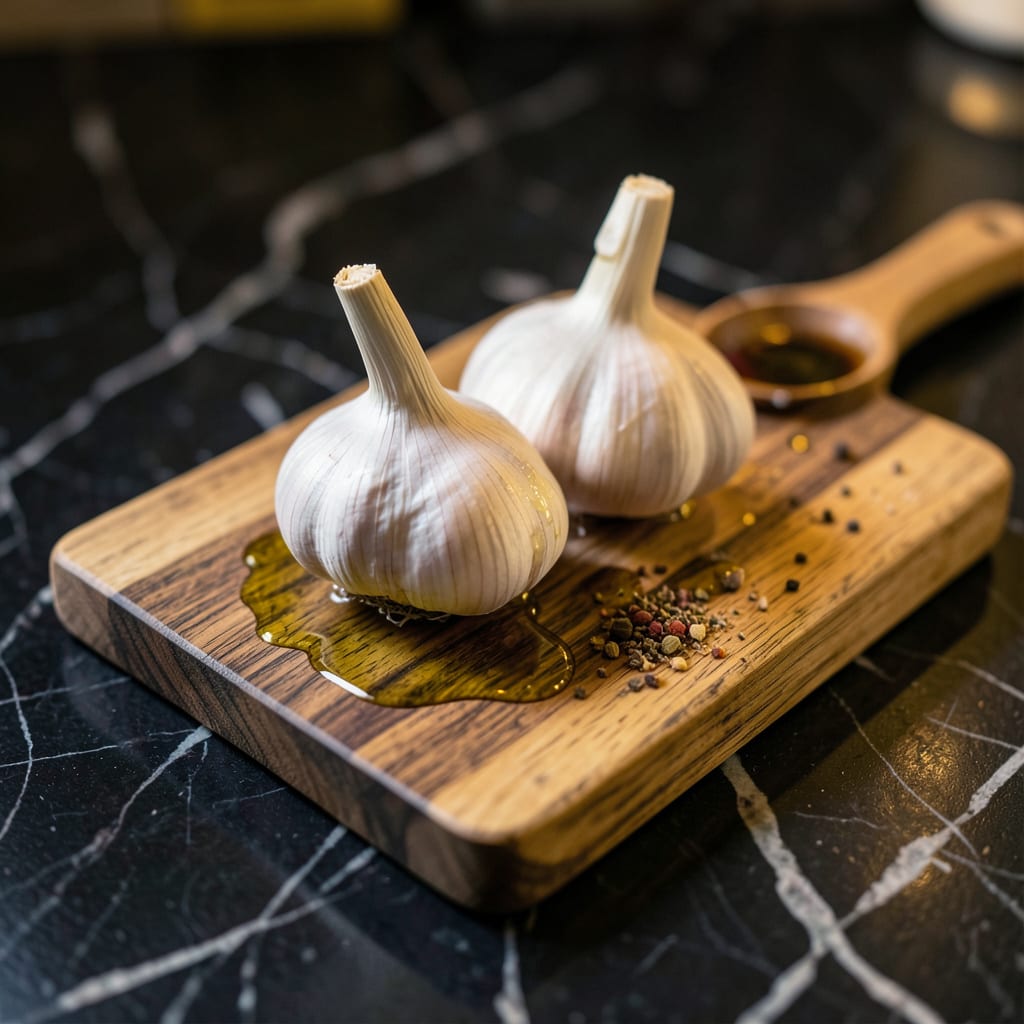
As a Texas gardener, you’re probably wondering when to plant 🧄 garlic for the best harvest. The Lone Star State’s diverse climate means timing is everything – plant too early or too late, and your crop might suffer.
In Texas’s USDA Zone 8b, the ideal time to plant garlic is during the fall season, typically between September and November. This allows the garlic to establish itself before winter, setting you up for a bountiful harvest come May or June.
When it comes to planting garlic in Texas, timing is crucial for a successful harvest. The state’s diverse climate zones mean that the ideal planting time varies depending on your location.
Texas spans multiple USDA Hardiness Zones, ranging from Zone 6 in the Panhandle to Zone 10 in the southern tip. Understanding your specific zone is key to determining the best time to plant garlic.
The ideal time to plant garlic in Texas is during the fall season, typically between September and November. Planting during this period allows the garlic to establish a strong root system before the ground freezes.
In cooler climates, like the Panhandle, garlic can be planted as early as September. In warmer regions, like South Texas, it’s better to wait until October or November to avoid the heat.
Soil temperature is another critical factor when planting garlic. The ideal soil temperature for planting garlic is between 60°F and 70°F. You can check soil temperature using a soil thermometer or by inserting your finger into the soil.
For optimal growth, garlic needs well-draining soil and full sun. Choose a location that receives at least six hours of direct sunlight per day and has good air circulation to prevent disease.
Planting depth and spacing are also important considerations. Plant individual cloves 2-3 inches deep and 4-6 inches apart, with the pointed end facing upwards.
By understanding the specific needs of your region and following these guidelines, you can enjoy a bountiful harvest of delicious, homegrown garlic.
Garlic is typically ready to harvest in May or June, when the tops begin to yellow and fall over. Check for readiness by gently digging around the plants with a fork, being careful not to damage the bulbs.
With proper care and timing, you’ll be enjoying your homegrown garlic in no time. Happy planting! 🌼
Preparing your Texas garden for garlic planting is crucial for a successful harvest. First, you need to choose the right garlic variety for your region. Texas gardeners can grow either soft-neck or hard-neck garlic, with soft-neck being more common in the southern regions 🌼.
Next, focus on soil preparation. Garlic requires well-draining soil with a pH between 6.0 and 7.0. To achieve this, test your soil and amend it if necessary. Add compost or well-rotted manure to improve soil structure and fertility.
For optimal garlic growth, ensure your soil has good drainage by adding organic matter like compost. This helps prevent waterlogged soil conditions that can rot the bulbs.
When planting garlic, spacing is critical. Plant individual cloves 4-6 inches apart and 2-3 inches deep, with the pointed end facing upwards. This allows for proper growth and air circulation around the plants.
Proper planting techniques also involve breaking the garlic bulb into individual cloves just before planting.
In Texas’s diverse climate, it’s essential to be mindful of the first frost date when planning your garlic planting. Generally, you should plant garlic 2-3 weeks before the first frost, allowing it to establish roots before winter.
By following these steps and tips, you’ll be well on your way to growing a healthy and productive garlic crop in your Texas garden. Happy planting! 🌱
For more specific advice tailored to your region, consider checking local gardening resources or consulting with experienced gardeners in your area.
After planting garlic in Texas, proper care is crucial for a healthy harvest. I recommend starting with a consistent watering schedule. During the fall and spring, garlic needs about 1 inch of water per week, either from rainfall or irrigation 🌼.
As your garlic crop matures, you’ll need to adjust your care routine. In late spring, when the tops begin to yellow and fall over, it’s a sign that the bulbs are ready to harvest. This usually occurs in May or June in Texas.
By following these care tips and being mindful of the timing, you’ll be on your way to enjoying a bountiful harvest of delicious, homegrown garlic. Happy gardening! 🌼
The best time to plant garlic in Texas is during the fall season, typically between September and November. This allows the garlic to establish a strong root system before winter. Planting at this time ensures a bountiful harvest come May or June.
To prepare your garden, choose the right garlic variety for your region, either soft-neck or hard-neck garlic. Then, focus on soil preparation by testing your soil and amending it if necessary to achieve a pH between 6.0 and 7.0. Add compost or well-rotted manure to improve soil structure and fertility.
Garlic needs consistent moisture, especially during the fall and spring. Water your garlic crop about 1 inch per week, either from rainfall or irrigation. Adjust your watering schedule according to weather conditions to prevent waterlogged soil.
Garlic is usually ready to harvest in May or June when the tops begin to yellow and fall over. Check for readiness by gently digging around the plants with a fork, being careful not to damage the bulbs. This indicates that the bulbs are mature and ready for harvest.
