
Beautiful Plants For Your Interior
Beautiful Plants For Your Interior
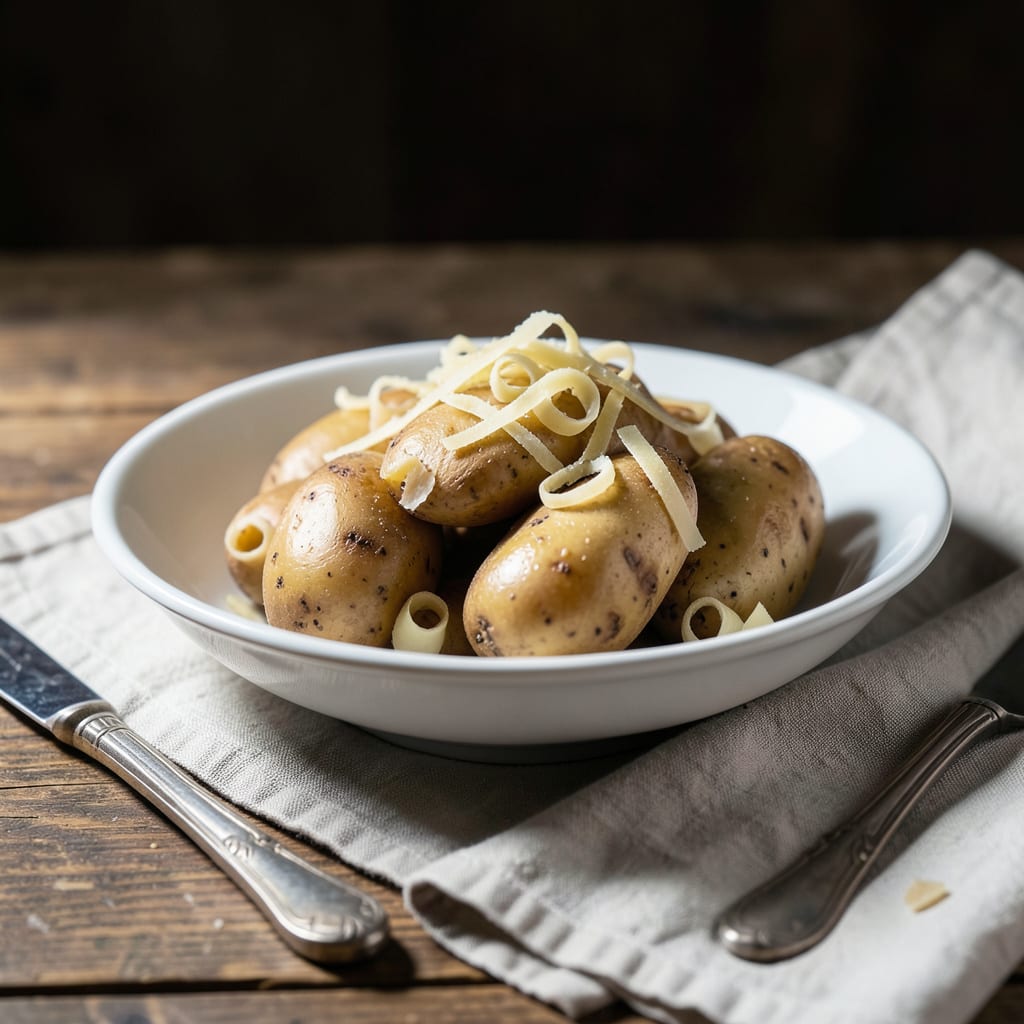
Planting potatoes 🥔 in North Carolina requires precise timing to maximize your harvest. In the Tar Heel State’s temperate climate, understanding the ideal planting window is crucial for successful potato cultivation.
The best time to plant potatoes in NC is typically in late winter to early spring, about 2-4 weeks before the last frost date. For most regions in NC, this means planting in February or March for a late spring harvest.
Ideal Time
Also Good
Planting potatoes in North Carolina requires understanding the state’s climate and how it affects potato cultivation. The ideal time to plant potatoes is typically in late winter to early spring, about 2-4 weeks before the last frost date. This timing allows the potatoes to mature before the heat of summer 🌞.
In North Carolina, the last frost date varies by region, but generally falls around mid-April. For most areas, planting in February or March is ideal for a late spring harvest. The cool spring weather helps prevent disease and promotes healthy tuber formation 🌟.
The soil temperature is another critical factor in potato planting. Potatoes thrive in cool soil, typically above 40°F. In North Carolina, soil temperatures reach this threshold in late winter, making it the perfect time to plant 🥔.
Regional variations within NC can affect the last frost date and optimal planting time. Gardeners should check local frost dates and soil conditions to determine the best planting schedule for their specific area 📅.
For areas in eastern North Carolina, the planting window might be slightly earlier than in the mountainous western regions. Understanding these regional differences is key to successful potato cultivation 🌱.
By planting potatoes during the recommended window, gardeners can take advantage of North Carolina’s climate to produce a healthy and bountiful harvest. The cool spring weather not only supports tuber development but also helps reduce the risk of disease and pests 🌿.
Key considerations for planting potatoes in NC include:
By following these guidelines and understanding the local climate conditions, North Carolina gardeners can successfully grow potatoes and enjoy a rewarding harvest 🥔.
The harvest period for potatoes in NC typically ranges from 70 to 120 days after planting, depending on the variety and growing conditions. Gardeners should check for signs of maturity, such as yellowing plants and firm tubers, to determine the optimal harvest time 📆.
Overall, the combination of North Carolina’s climate and careful planning makes it possible to grow delicious potatoes throughout the state. By understanding and adapting to the local conditions, gardeners can achieve a successful and satisfying potato harvest 🌼.
Preparing your North Carolina garden for potato planting involves several key steps to ensure a successful harvest. First, it’s essential to choose the right potato variety for the state’s climate. Popular varieties for NC include ‘Yukon Gold’ and ‘Red Pontiac’, which are known for their disease resistance and adaptability to the local growing conditions 🌟.
Next, soil preparation is crucial. Potatoes thrive in well-draining, loose soil with a pH between 4.8 and 7.0. Gardeners should test their soil to determine its pH level and nutrient content. Based on the test results, they can amend the soil as needed with organic matter like compost or well-rotted manure to improve its structure and fertility 🌿.
For optimal potato growth, ensure your soil is free of debris and rocks, which can deform tubers. Consider rotating your crops to avoid depleting soil nutrients and to reduce the risk of disease 🔄.
Proper planting techniques are also vital. Gardeners should plant seed potatoes (certified disease-free tubers) in early spring, about 2-4 inches deep, with the eyes facing upward. The spacing between seed potatoes should be about 12 inches, with rows spaced 3 feet apart 🌼.
After planting, it’s important to hill the soil around the base of the plants as they grow. This process, known as hilling, helps to protect the tubers from sunlight and encourage more tuber formation. Gardeners should continue to monitor soil moisture and keep the area weed-free to promote healthy growth 🌻.
By following these preparation tips and planting techniques, North Carolina gardeners can set themselves up for a successful potato harvest. The combination of proper soil preparation, appropriate variety selection, and careful planting will help ensure a bountiful yield of delicious potatoes 🥔.
Additionally, gardeners should be aware of the common challenges faced when growing potatoes in NC, such as pest management and disease prevention. Regularly inspecting the plants and taking preventative measures can help mitigate these issues 🌟.
Overall, with the right preparation and care, growing potatoes in North Carolina can be a rewarding experience. Gardeners can enjoy a healthy and productive harvest by
After planting potatoes in North Carolina, proper care is essential for a successful harvest. One of the most critical factors is maintaining consistent soil moisture. Potatoes need about 1-2 inches of water per week, either from rainfall or irrigation, to develop properly 💧.
Common challenges when growing potatoes in NC include managing pests like potato beetles and dealing with diseases such as late blight. Regular monitoring and preventative measures, like using disease-resistant varieties and maintaining good garden hygiene, can help mitigate these issues 🌟.
By following these care guidelines, North Carolina gardeners can ensure a healthy and productive potato crop. The combination of proper watering, hilling, and pest management will contribute to a successful harvest 🥔.
For optimal results, gardeners should continue to monitor their potato plants throughout the growing season, adjusting their care practices as needed to address any challenges that arise 📅.
With the right care and attention, potato plants in North Carolina can thrive, providing a bountiful harvest of delicious tubers. By understanding the specific needs of potato crops and taking proactive steps to support their growth, gardeners can enjoy a rewarding potato harvest 🌼.
Potatoes thrive in cool soil, typically above 40°F. In North Carolina, soil temperatures reach this threshold in late winter, making it the perfect time to plant. Check your soil temperature before planting to ensure optimal conditions.
Check for signs of maturity, such as yellowing plants and firm tubers. The harvest period typically ranges from 70 to 120 days after planting, depending on the variety and growing conditions. Monitor your plants regularly to determine the optimal harvest time.
No, it’s not recommended to plant potatoes in NC during the summer. Potatoes prefer the cooler temperatures of spring or fall. Summer heat can lead to disease and pest issues, reducing your chances of a successful harvest.
Potatoes need consistent moisture, especially during tuber formation. Aim to provide about 1-2 inches of water per week, either from rainfall or irrigation. Keep the soil consistently moist but not waterlogged.
