
Beautiful Plants For Your Interior
Beautiful Plants For Your Interior
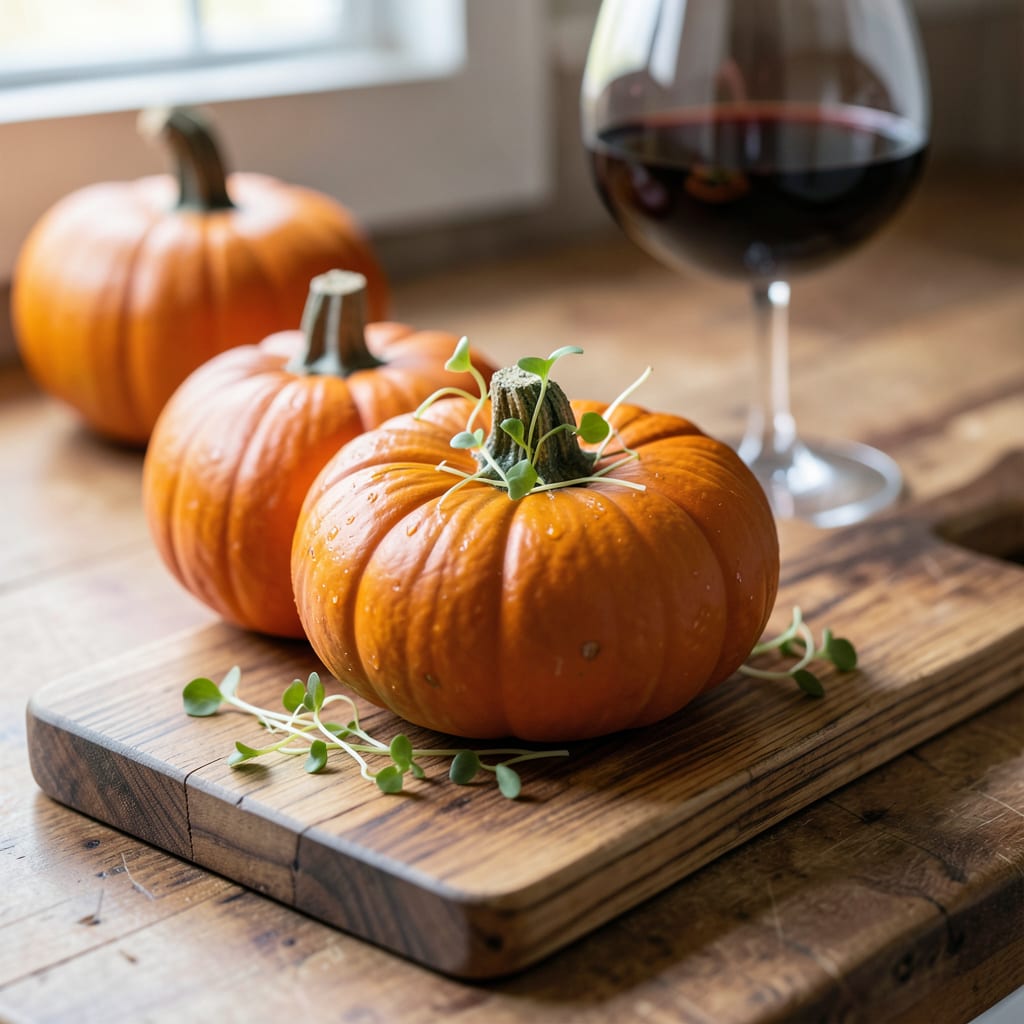
As summer approaches in Georgia 🎃, many gardeners start thinking about planting pumpkins for a fall harvest. Timing is everything when it comes to growing these vining plants successfully.
In Georgia’s climate zones 8a and 8b, the ideal time to plant pumpkins is in late spring to early summer, when soil temperatures reach 65°F. This sets the stage for a bountiful harvest come fall.
Ideal Time
Also Good
Understanding Georgia’s climate is crucial for determining the best time to plant pumpkins. The state’s climate varies from north to south, with USDA zones 8a and 8b prevailing across most regions. This variation affects the optimal planting time for pumpkins 🎃.
Georgia’s last frost date typically occurs around March 15, while the first frost arrives around November 15. These dates are critical for planning pumpkin cultivation, as they dictate the growing season’s length and timing.
The optimal planting window for pumpkins in Georgia is in late spring to early summer. This timing allows the plants to mature before the first fall frost, ensuring a healthy harvest. Pumpkins require 100 to 150 days to mature from sowing the seeds.
For a Halloween harvest, planting should occur around late May to early June. This timeframe provides sufficient growth period for the pumpkins to mature by October.
Soil temperature is a critical factor in pumpkin cultivation. The ideal soil temperature for planting pumpins is between 65°F to 95°F. Planting when the soil is too cold can lead to poor germination and weak seedlings.
Georgia’s diverse climate means gardeners should be aware of their specific regional conditions. Coastal regions tend to have a longer growing season compared to mountainous areas, affecting the optimal planting time.
Understanding these climate factors helps gardeners plan their pumpkin cultivation effectively, ensuring a successful and bountiful harvest. Proper timing is essential for maximizing yield and quality 🔥.
Different regions within Georgia may experience varying microclimates, which can influence the ideal planting schedule. Local frost dates and soil temperature should be monitored closely to determine the best planting time.
By considering these factors and planning accordingly, gardeners can optimize their pumpkin planting for the best possible outcome. This careful planning is key to a successful harvest 🎃.
Monitoring weather forecasts and being prepared to adapt planting schedules as needed is also crucial. Unseasonable weather patterns can impact the optimal planting window.
Overall, the combination of understanding local climate conditions and adhering to optimal planting practices will lead to a successful pumpkin harvest in Georgia. Proper planning and attention to detail are essential for achieving the best results 🌼.
Growing pumpkins in Georgia requires more than just proper timing; it demands careful attention to soil preparation and cultivation practices. Understanding Georgia’s soil conditions is crucial for successful pumpkin cultivation 🌼.
Georgia’s diverse soil types range from sandy loams to clay soils, each requiring different management strategies. Pumpkins prefer well-draining soil rich in organic matter. Amending the soil with compost or well-rotted manure can significantly improve its structure and fertility.
Test your soil pH and adjust it if necessary. Pumpkins prefer a slightly acidic to neutral soil pH, between 6.0 and 6.8. Ensure the soil is well-draining to prevent waterlogged conditions that can lead to root rot.
Soil testing is a critical step in preparing for pumpkin cultivation. It helps determine the soil’s nutrient content and pH level, allowing for targeted amendments. Based on the test results, add necessary fertilizers to ensure optimal nutrient levels for pumpkin growth.
Choosing the right pumpkin variety is also essential. Select varieties that are well-suited to Georgia’s climate and growing conditions. Some popular varieties for the region include ‘Atlantic Giant’ and ‘Jack Be Little’, known for their performance in the southeastern United States.
Proper spacing is vital for healthy pumpkin growth. Plant seeds about 1 inch deep and space them 4 to 6 feet apart in rows that are 8 to 10 feet apart. This spacing allows the vines to spread out and reduces the risk of disease.
Water management is another key factor. Pumpkins need consistent moisture, especially during fruit development. Water deeply once or twice a week, depending on rainfall, to keep the soil moist but not waterlogged. Using drip irrigation or soaker hoses can help deliver water directly to the roots, reducing evaporation and runoff 💧.
By following these guidelines and adapting to your specific soil and climate conditions, you can successfully grow pumpkins in Georgia. Proper soil preparation, variety selection, and cultivation practices are all crucial for a bountiful harvest 🎃.
Regular monitoring of your pumpkin patch is necessary to catch any issues early. Keep an eye out for signs of pests, diseases, or nutrient deficiencies, and take action promptly to address them. This proactive approach will help ensure a healthy and productive crop.
With careful planning and attention to detail, growing pumpkins in Georgia can be a rewarding experience. Enjoy the process of nurturing your plants from seed to harvest, and look forward to a successful yield of delicious, homegrown pumpkins 🥕.
When planting pumpkins in Georgia, understanding common pitfalls is crucial for a successful harvest 🎃. Many gardeners, especially beginners, make mistakes that can significantly impact their pumpkin crop’s health and productivity.
One of the most critical errors is planting too early. Pumpkins need warm soil to germinate and grow properly. Planting before the soil has warmed up to at least 65°F can lead to poor germination and weak seedlings.
Planting pumpkins too early in Georgia can result in poor germination and weak seedlings due to cold soil temperatures. Wait until late May or early June when soil has warmed sufficiently.
Poor soil preparation is another common mistake. Pumpkins require well-draining soil rich in organic matter. Failing to amend the soil properly can lead to nutrient deficiencies and waterlogging, negatively impacting plant health.
Inadequate spacing between pumpkin plants can cause overcrowding, leading to increased disease risk and reduced air circulation. Ensure plants are spaced 4 to 6 feet apart in rows that are 8 to 10 feet apart to allow for proper vine spread and air circulation 🌼.
Neglecting water management is also a significant error. Pumpkins need consistent moisture, particularly during fruit development. Inconsistent watering can cause stress to the plants, leading to reduced yields and poor fruit quality. Water deeply once or twice a week, depending on rainfall, to maintain soil moisture 💧.
By being aware of these common mistakes and taking steps to avoid them, gardeners in Georgia can significantly improve their chances of a successful pumpkin harvest. Careful planning and attention to detail are key to achieving a bountiful and healthy crop 🎃.
Regular monitoring of the pumpkin patch is essential to catch any issues early. Keep an eye out for signs of pests, diseases, or nutrient deficiencies, and take prompt action to address them. This proactive approach will help ensure a healthy and productive crop.
With careful planning and proper care, growing pumpkins in Georgia can be a rewarding experience. By avoiding common mistakes and following best practices, gardeners can look forward to a successful yield of delicious, homegrown pumpkins 🥕.
The best time to plant pumpkins in Georgia is in late May to early June when soil temperatures reach 65°F. This timing allows for optimal germination and growth before the first fall frost. Planting at this time typically results in a bountiful harvest come fall.
Pumpkins require 100 to 150 days to mature from sowing the seeds. In Georgia, this means planting in late spring to early summer for a Halloween harvest. Understanding this timeline helps gardeners plan their cultivation effectively.
Pumpkins need a soil temperature of at least 65°F for optimal germination. Soil temperatures between 65°F to 95°F are ideal for pumpkin cultivation. Planting in soil that’s too cold can lead to poor germination and weak seedlings.
Pumpkin plants need consistent moisture, especially during fruit development. Water them deeply once or twice a week, depending on rainfall, to keep the soil moist but not waterlogged. Using drip irrigation can help maintain optimal soil moisture.
