
Beautiful Plants For Your Interior
Beautiful Plants For Your Interior
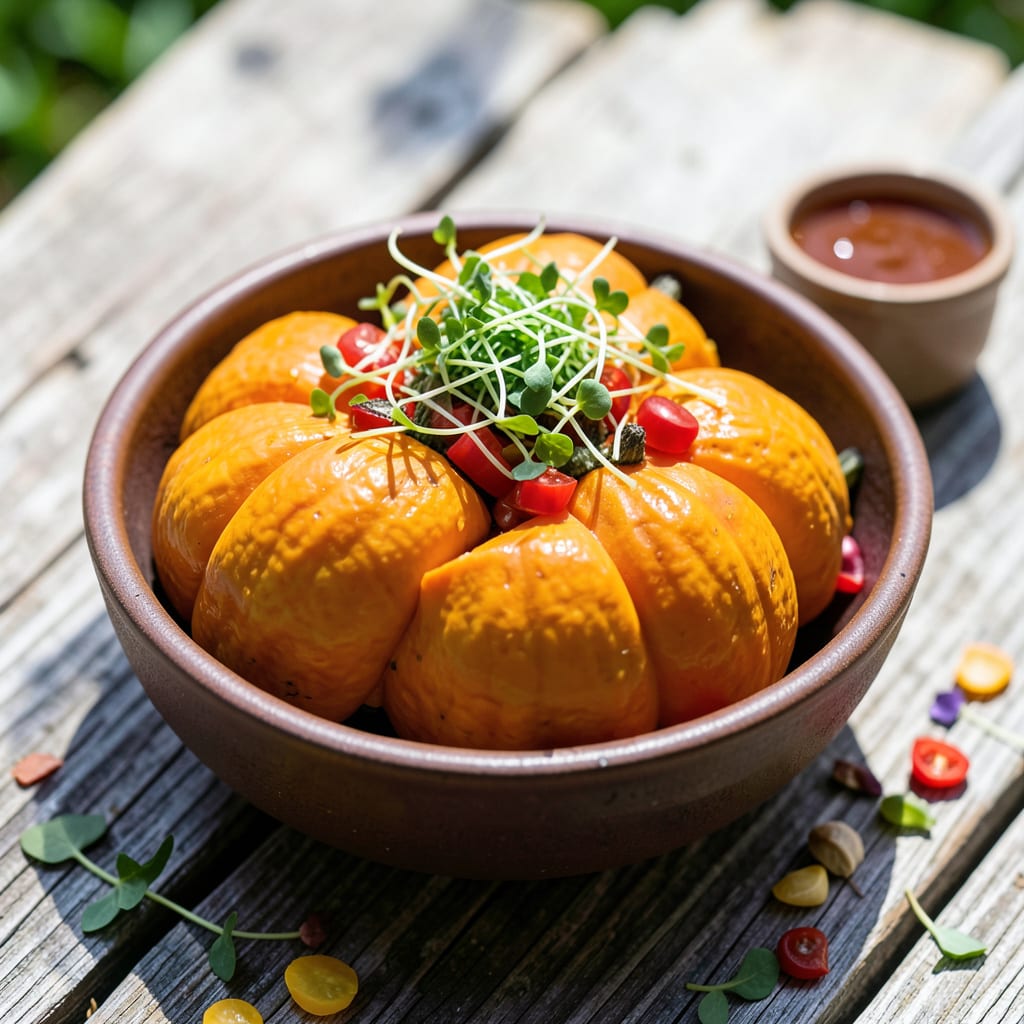
Growing 🎃 pumpkins in Alabama can be a rewarding experience, but timing is everything. The key to a bountiful harvest is planting at the right time, taking into account the state’s climate and frost dates.
In Alabama’s 7b/8a USDA zones, the ideal time to plant pumpkins is in late spring to early summer. This allows the plants to mature before the first fall frost, typically around November 15. Let’s dive into the details to ensure your pumpkin patch thrives.
Growing pumpkins in Alabama requires careful timing to ensure a bountiful harvest. The state’s climate and frost dates play a crucial role in determining the ideal planting window.
In Alabama’s 7b/8a USDA zones, the last frost date typically occurs around March 15. Pumpkins are warm-season crops that thrive in temperatures above 65°F (18°C). Therefore, it’s essential to wait until the soil has warmed up and the risk of frost has passed before planting.
Planting pumpkins in Alabama during the late spring to early summer allows the vines to grow and mature before the hot summer weather sets in. This timing also ensures that the pumpkins will be ready for harvest in the fall, around September to October, just in time for the Halloween season 🎃.
To further optimize pumpkin cultivation in Alabama, gardeners should consider factors such as soil quality, sunlight exposure, and moisture levels. Pumpkins require fullBest Time to Plant Pumpkins in Alabama
Growing pumpkins in Alabama requires careful timing to ensure a bountiful harvest. The state’s climate and frost dates play a crucial role in determining the ideal planting window. In Alabama’s 7b/8a USDA zones, the last frost date typically occurs around March 15. Pumpkins are warm-season crops that thrive in temperatures above 65°F (18°C). Therefore, it’s essential to wait until the soil has warmed up and the risk of frost has passed before planting. The ideal time to plant pumpkins in Alabama is in late spring to early summer, around May or June. This allows the vines to grow and mature before the hot summer weather sets in. Additionally, planting at this time ensures that the pumpkins will be ready for harvest in the fall, around September to October, just in time for the Halloween season 🎃. To further optimize pumpkin cultivation in Alabama, gardeners should consider factors such as soil quality, sunlight exposure, and moisture levels. Pumpkins require full sun and well-draining soil to thrive. By understanding these requirements and planting at the right time, Alabama gardeners can enjoy a successful pumpkin harvest. Pumpkin cultivation in Alabama also benefits from proper soil preparation and adequate watering. Gardeners should ensure that the soil is rich in organic matter and has good drainage to support healthy pumpkin growth. By following these guidelines and planting pumpkins at the optimal time, gardeners in Alabama can look forward to a bountiful harvest of these autumn favorites. Whether you’re growing pumpkins for decoration or for a festive fall activity, timing is everything 🌼.
Growing pumpkins in Alabama requires more than just planting at the right time. To achieve a successful harvest, gardeners must also understand the specific needs of pumpkin plants and how to care for them throughout the growing season.
Pumpkins thrive in full sun and well-draining soil rich in organic matter. Alabama’s climate means that soil preparation is crucial – gardeners should incorporate compost or well-rotted manure to improve soil fertility and drainage.
Test your soil pH and amend if necessary. Pumpkins prefer a slightly acidic to neutral soil pH (6.0-7.0). Add organic matter to improve soil structure and fertility.
When selecting pumpkin varieties for Alabama’s climate, gardeners should choose varieties that mature within 100-140 days. Popular varieties for the region include ‘Atlantic Giant’ and ‘Jack Be Little’, which are well-suited to the state’s growing conditions.
Proper care throughout the growing season is essential for a successful pumpkin harvest. This includes regular watering, especially during dry spells, and fertilization every 4-6 weeks with a balanced fertilizer (10-10-10 NPK).
Pest and disease management is also critical in Alabama’s climate. Gardeners should be on the lookout for common pumpkin pests like squash bugs and cucumber beetles, and diseases such as powdery mildew. Using crop rotation and organic pest control methods can help mitigate these issues.
By following these guidelines and providing proper care, Alabama gardeners can enjoy a bountiful harvest of delicious and decorative pumpkins. The key is to be attentive to the plants’ needs throughout the growing season 🌼.
Successful pumpkin cultivation in Alabama also means being prepared for the challenges that come with the state’s climate. With hot summers and potential for fall rain, gardeners must be vigilant in their care practices to ensure a healthy and productive pumpkin patch.
Growing pumpkins in Alabama can be challenging if you don’t avoid common mistakes that can lead to poor yields or crop failure. One of the most critical errors is planting too early, before the soil has warmed up to at least 65°F (18°C). This can cause poor germination and weak seedlings.
Planting pumpkins too early exposes them to frost damage. Wait until after the last frost date (March 15 in Alabama) and when soil temperature is adequate.
Another common mistake is poor soil preparation. Pumpkins need well-draining soil rich in organic matter. Failing to amend the soil properly can lead to waterlogged soil and root rot. Gardeners should test their soil pH and amend it if necessary, as pumpkins prefer a slightly acidic to neutral soil pH (6.0-7.0).
Inadequate spacing is another error that can negatively impact pumpkin growth. Pumpkin vines need ample space to spread out – typically 5-10 feet between plants. Crowding the plants can lead to reduced air circulation, increasing the risk of disease.
Finally, insufficient watering and fertilization can limit pumpkin growth. Pumpkins require consistent moisture, especially during dry spells, and regular fertilization with a balanced fertilizer (10-10-10 NPK) every 4-6 weeks. By avoiding these common mistakes, Alabama gardeners can improve their chances of a successful pumpkin harvest 🎃.
Being mindful of these potential pitfalls and taking steps to avoid them will help ensure a healthy and productive pumpkin patch. With proper care and attention, gardeners in Alabama can enjoy a bountiful harvest of these autumn favorites 🌼.
Pumpkins thrive in soil temperatures of at least 65°F (18°C). This typically occurs in late spring, around May or June in Alabama. Checking soil temperature is crucial for optimal germination and growth.
Pumpkins typically take 100-140 days to mature after planting. In Alabama, this means they’ll be ready for harvest around September to October, just in time for the Halloween season. Planning ahead is essential for a successful harvest.
Common mistakes include planting too early, poor soil preparation, inadequate spacing, and insufficient watering and fertilization. Avoiding these pitfalls ensures a healthy and productive pumpkin patch. Gardeners should also watch out for pests and diseases.
While many varieties can grow well, it’s best to choose those that mature within 100-140 days. Popular varieties for Alabama include ‘Atlantic Giant’ and ‘Jack Be Little’, which are well-suited to the state’s growing conditions. Selecting the right variety is key to success.
