
Beautiful Plants For Your Interior
Beautiful Plants For Your Interior
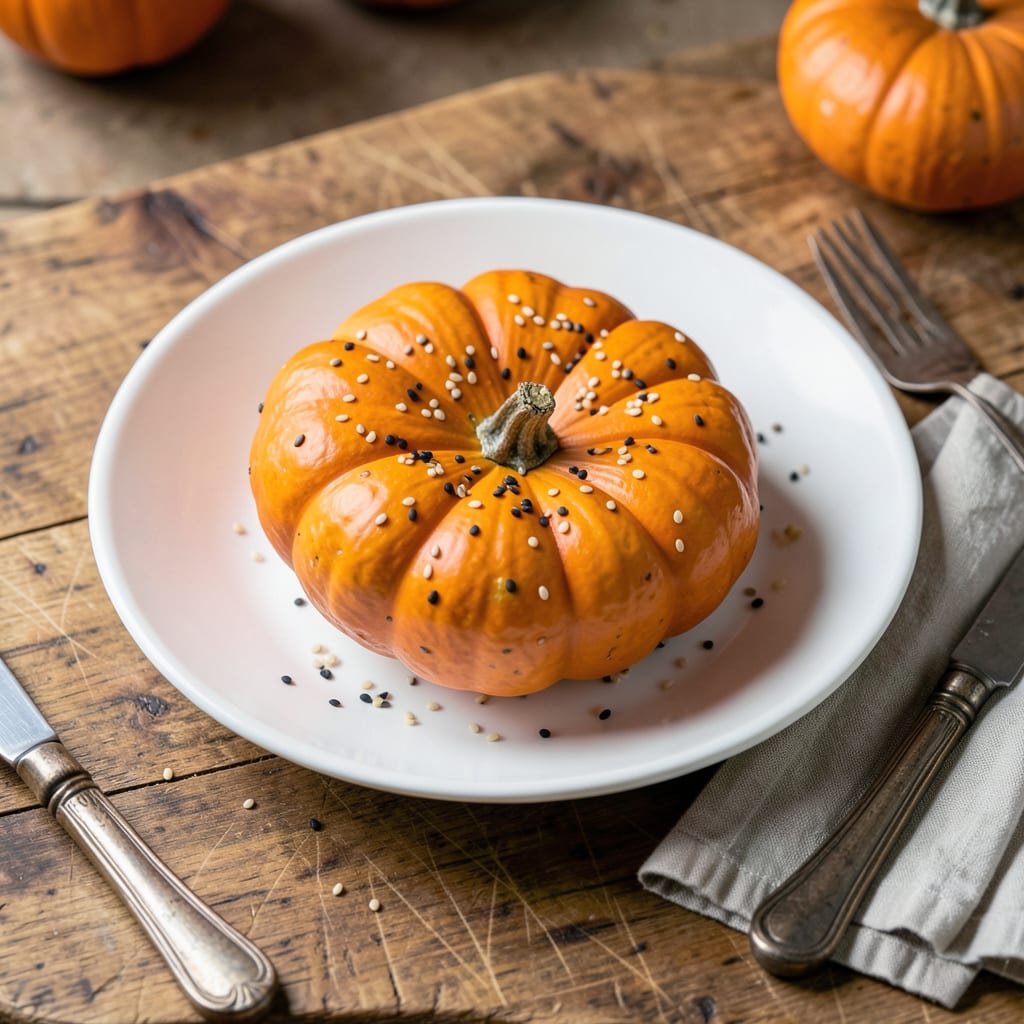
Growing pumpkins 🎃 in Florida can be challenging due to the state’s hot and humid climate. To succeed, you need to time your planting just right – too early or too late can mean the difference between a bountiful harvest and a disappointing yield.
In Florida’s USDA Zone 10b, the ideal time to plant pumpkins is in late winter to early spring, typically around February or March. This allows the plants to mature before the heat sets in, giving you the best chance at a successful harvest.
Ideal Time
Also Good
Florida’s climate varies significantly across different regions, making it crucial to understand these variations when planning to plant pumpkins. The state’s geography spans from the subtropical south to the more temperate north, affecting the optimal planting times 🎃.
In South Florida, which includes areas like Miami and the Keys, the warm climate means pumpkins can be grown year-round. However, the best time to plant is still during the cooler months, from September to November or February to March, to avoid the intense summer heat 🔥.
The Central Florida region, including areas around Orlando, benefits from planting in early spring, around February to March. This timing allows the pumpkin plants to mature before the peak summer heat sets in 🌞.
In North Florida, which has a slightly cooler climate compared to the rest of the state, the best time to plant pumpkins is in late spring to early summer, typically around May or June. This timing helps avoid the last frost and allows the plants to grow during the warmer months without being too stressed by the heat 🌟.
Understanding these regional differences is key to successfully growing pumpkins in Florida. By planting at the right time for your specific area, you can maximize your chances of a healthy and productive harvest 📆.
For more specific advice tailored to your exact location within Florida, consider consulting local gardening resources or experts who can provide guidance based on the most current climate conditions and regional nuances 🌱.
Additionally, factors such as soil quality, sunlight exposure, and watering practices play significant roles in the success of your pumpkin crop. Ensuring that your soil is well-draining and rich in nutrients, and that your plants receive adequate sunlight and water, will contribute to a bountiful harvest 🌼.
It’s also worth noting that different pumpkin varieties have varying maturation periods. Some may be ready in as little as 80 days, while others may require 120 days or more. Choosing a variety that fits your region’s growing season can help ensure success 🎃.
By combining the right planting time with appropriate care and attention to the specific needs of your pumpkin plants, you can enjoy a rewarding harvest of delicious and healthy pumpkins 🍂.
Florida’s diverse climate means that flexibility and adaptability are key when growing pumpkins. Being prepared to adjust your planting schedule and care strategies based on local conditions will help you achieve the best possible results 🌟.
Overall, growing pumpkins in Florida requires a combination of knowledge about the local climate, careful planning, and attentive care. With the right approach, you can enjoy a successful and satisfying pumpkin harvest 🎃.
When planting pumpkins in Florida, several key factors can significantly impact your success. Understanding these elements will help you prepare for a bountiful harvest 🎃.
First, soil preparation is crucial. Pumpkins thrive in well-draining soil rich in organic matter. To achieve this, amend your soil with compost or well-rotted manure before planting. This improves soil structure and fertility, giving your pumpkin plants a strong start 🌱.
For optimal pumpkin growth, ensure your soil has a pH between 6.0 and 6.8. Testing your soil pH and adjusting it if necessary can make a significant difference in your pumpkin yield 🔍.
Another critical factor is frost dates. While Florida’s climate is generally warm, occasional frosts can occur, especially in the northern parts of the state. Planting pumpkins after the last frost date for your area ensures that your seedlings won’t be damaged by frost ❄️.
Variety selection is also vital. Choose pumpkin varieties that are suitable for warm climates and have a maturation period that fits Florida’s growing season. Some varieties mature in as little as 80 days, while others may take 120 days or more. Selecting the right variety for your region and climate can significantly impact your success 🎃.
In addition to these factors, watering practices play a significant role in pumpkin cultivation. Pumpkins need consistent moisture, especially when they’re producing fruit. Water your plants deeply once or twice a week, depending on weather conditions, to keep the soil moist but not waterlogged 💧.
Pest and disease management is another crucial aspect. Keep an eye out for common pumpkin pests like squash bugs and cucumber beetles, and diseases such as powdery mildew. Using organic pest control methods and practicing crop rotation can help mitigate these issues 🐜.
Finally, consider the sunlight requirements for your pumpkin plants. Pumpkins need full sun to thrive, so choose a planting location that receives at least 6 hours of direct sunlight per day. This will help your plants grow vigorously and produce a healthy crop ☀️.
By carefully considering these key factors, you can set yourself up for success when planting pumpkins in Florida. With the right preparation and care, you’ll be on your way to enjoying a bountiful harvest of delicious pumpkins 🎃.
Growing pumpkins in Florida’s climate can be challenging due to the high temperatures and humidity. To ensure a successful harvest, it’s essential to avoid common mistakes that can negatively impact your pumpkin crop 🌡️.
One of the most common mistakes is planting too early or too late. In Florida, pumpkins should be planted in late winter to early spring to avoid the intense summer heat 🔥.
Another mistake to avoid is poor soil preparation. Pumpkins require well-draining soil rich in organic matter. Failing to amend the soil properly can lead to poor drainage and nutrient deficiencies, negatively impacting plant growth 🌱.
Inadequate watering is also a common issue. Pumpkins need consistent moisture, especially when producing fruit. Watering too little or too much can stress the plants and reduce yield 💧.
Pest and disease management is crucial in Florida’s climate. Common pests like squash bugs and cucumber beetles, as well as diseases like powdery mildew, can significantly damage pumpkin crops. Regular monitoring and using organic pest control methods can help mitigate these issues 🐜.
By avoiding these common mistakes and following best practices for growing pumpkins in Florida, you can enjoy a healthy and productive harvest 🎃.
In Florida, the ideal time to plant pumpkins is in late winter to early spring, typically around February or March. This allows the plants to mature before the heat sets in, giving you the best chance at a successful harvest.
Pumpkins thrive in well-draining soil rich in organic matter. Amend your soil with compost or well-rotted manure before planting to improve soil structure and fertility. This gives your pumpkin plants a strong start.
Common mistakes include planting too early or too late, poor soil preparation, and inadequate watering. Avoid these by planting in late winter to early spring, preparing your soil properly, and maintaining consistent moisture.
Pumpkins need consistent moisture, especially when producing fruit. Water your plants deeply once or twice a week, depending on weather conditions, to keep the soil moist but not waterlogged.
