
Beautiful Plants For Your Interior
Beautiful Plants For Your Interior
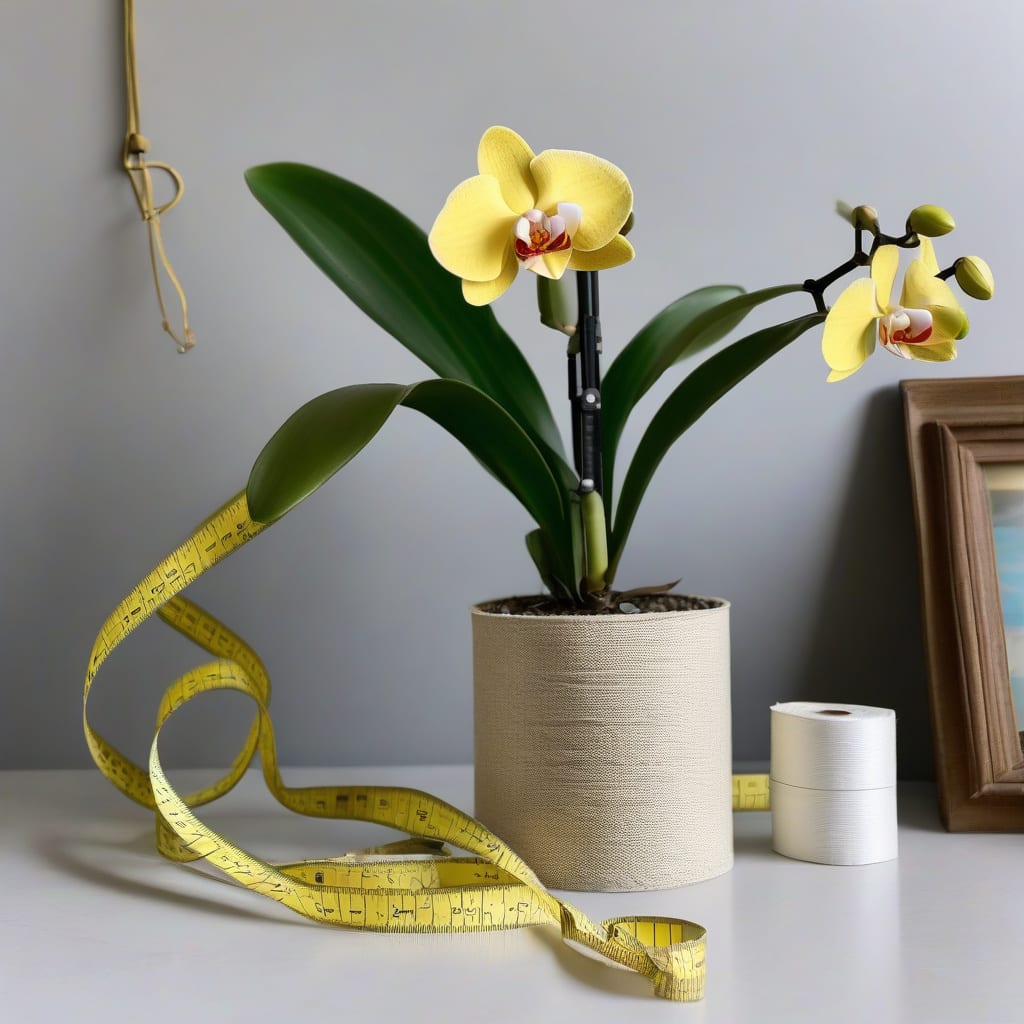
I’ve always been fascinated by the diverse world of Orchids 💐, and one question that often comes up is about their growth habits. How tall can these beautiful plants actually grow, and what factors influence their height?
Understanding the height potential of Orchids is crucial for proper care and display, especially when you’re growing them in USDA Zone 6 or other similar climates. Let’s explore the factors that affect their growth and maximum height potential.

I’ve found that understanding the factors that influence orchid height is crucial for proper care and display. Orchids are known for their diverse growth habits, and their height can vary significantly depending on several factors.
The height of an orchid is primarily determined by its species, with different types having distinct growth patterns. For example, some orchids are naturally compact, while others can grow quite tall.
The light level is particularly important for orchid growth. Most orchids prefer bright, indirect light, which promotes healthy development without causing damage. In USDA Zone 6, this can be achieved by placing orchids near an east- or west-facing window 🌞.
Temperature fluctuations can also impact orchid height. Orchids generally thrive in daytime temperatures between 65°F to 75°F (18°C to 24°C) and nighttime temperatures around 55°F to 65°F (13°C to 18°C). Maintaining these temperatures is crucial for optimal growth.
Watering practices play a significant role in determining orchid height. Overwatering can lead to root rot, which stunts growth, while underwatering can cause stress, affecting overall development. Orchids typically require watering once a week to every 10 days, depending on the humidity and potting medium 🌿.
Fertilization is another critical factor. Orchids benefit from regular, balanced fertilization during the growing season. A 20-20-20 fertilizer used at half the recommended strength is typically suitable. However, overfertilization can damage roots and hinder growth, so it’s essential to fertilize judiciously.
By understanding and managing these factors, you can optimize the growth and height of your orchids. Different species may have specific requirements, so it’s essential to research the particular needs of your orchid variety.
In summary, the height of an orchid is influenced by a combination of genetic and environmental factors. By providing the right conditions and care, you can encourage your orchids to reach their full height potential 🌟.
For more specific guidance on caring for your orchids, consider consulting with local gardening experts or checking out resources from reputable orchid societies.
By following these guidelines and tailoring your care to the specific needs of your orchids, you can enjoy healthy, thriving plants that reach their maximum height potential.
I’ve found that understanding the maximum height potential of different orchid varieties is essential for choosing the right plants for your space. Different orchid species can grow to varying heights, and knowing what to expect can help you provide the best care.
The height potential of orchids varies significantly across different species. For example, Phalaenopsis orchids typically grow between 6 to 24 inches tall, making them suitable for indoor spaces with limited vertical room 🌿.
Dendrobium orchids can grow much taller, often reaching heights of 1 to 3 feet. Their arching or pendulous growth habit makes them a beautiful addition to hanging baskets or tall displays 🌸.
Cattleya orchids generally fall somewhere in between, typically growing 1 to 2 feet tall. Their upright growth and showy flowers make them a popular choice among orchid enthusiasts 💐.
Understanding these height ranges is crucial for planning your orchid display and ensuring you provide the right growing conditions. By choosing orchids that fit your space, you can create a beautiful and thriving orchid collection 🏠.
In my experience, knowing the specific height potential of your orchid variety helps in planning the right support and display. Some orchids may require staking to maintain their upright growth, while others can be left to cascade naturally 🌱.
For those new to orchid growing, starting with varieties that have a more compact growth habit can be a good introduction. Phalaenopsis and Oncidium orchids are often recommended for beginners due to their relatively small size and forgiving nature 🌼.
By understanding the growth patterns and height potential of different orchid varieties, you can make informed decisions about which plants to grow and how to care for them effectively. This knowledge helps in creating a thriving and visually appealing orchid display 🌺.
Managing orchid height is crucial for maintaining their aesthetic appeal and overall health. I’ve found that proper pruning and support techniques can significantly impact the height and appearance of these beautiful plants 🌿.
Prune old flower spikes about 1 inch above the node from which they emerged to encourage a new bloom. For tall orchids, consider cutting back the spike to encourage a secondary bloom.
When it comes to managing orchid height, pruning is a critical technique. After an orchid finishes blooming, you can cut back the flower spike to encourage a new bloom or to control the plant’s height ✂️.
Staking is another effective method for managing orchid height, especially for tall varieties like Dendrobium and Cattleya. Using stakes or clips can help maintain an upright growth habit and prevent the plants from becoming too leggy 🌸.
For orchids with a pendulous or arching growth habit, such as some Dendrobium species, hanging baskets can be an excellent way to showcase their natural beauty while managing their height 🌼.
By combining proper pruning techniques with appropriate support methods, you can effectively manage the height of your orchids and enhance their overall appearance. This not only keeps your plants looking their best but also promotes healthy growth and blooming 🌺.
Regular monitoring and adjustment of your pruning and support techniques will help you achieve the desired height and display for your orchids. This proactive approach ensures that your plants remain healthy and visually appealing throughout their growing cycle 🌻.
