
Beautiful Plants For Your Interior
Beautiful Plants For Your Interior
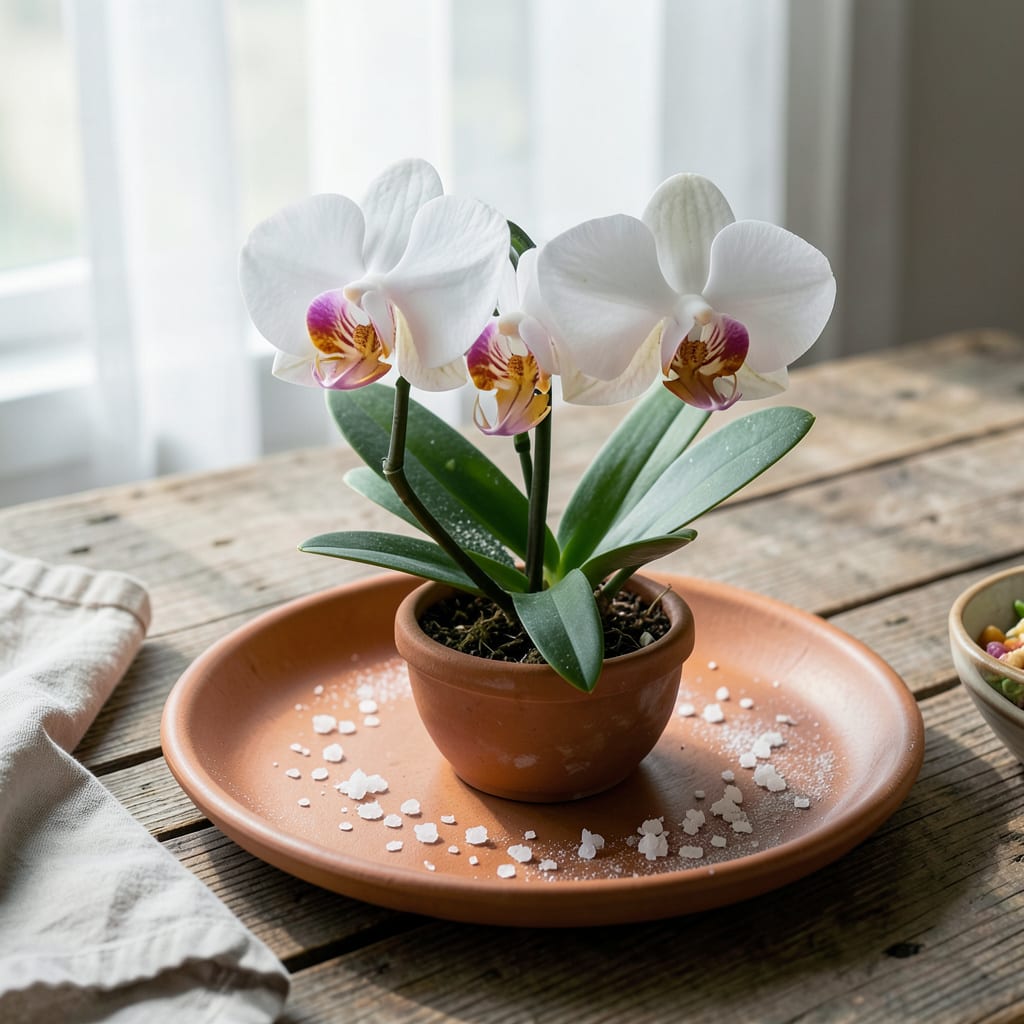
Fertilizing your Orchid 💐 at the right time is crucial for achieving those stunning blooms. I’ve learned that timing is everything when it comes to giving your Orchid the nutrients it needs to thrive.
In USDA Zone 6, where I live, the growing season is a key factor in determining when to fertilize. Let’s explore the best times and techniques to keep your Orchid healthy and blooming beautifully.

Orchid fertilization timing is critical for achieving those stunning blooms that make orchid enthusiasts passionate about their craft. I’ve found that understanding the different growth phases of your orchid is key to providing the right nutrients at the right time.
The growth cycle of an orchid typically includes active growth, blooming, and resting periods. During active growth, usually in spring and summer, your orchid needs more frequent fertilization to support new growth and development 🌱.
During the active growth phase, your orchid is producing new leaves and roots, and it needs a balanced fertilizer to support this growth. A 20-20-20 NPK ratio is ideal for most orchids, as it provides equal amounts of nitrogen, phosphorus, and potassium 🌱.
As we move into the blooming period, it’s essential to continue fertilizing to support flower development. This ensures that your orchid produces long-lasting and vibrant blooms. Even during blooming, a balanced fertilizer remains the best choice.
The resting period, typically in fall and winter, is when your orchid is not actively growing. During this time, you can reduce or stop fertilization altogether, as the plant is dormant and not using as many nutrients.
Understanding these growth phases and adjusting your fertilization schedule accordingly is crucial for the health and blooming success of your orchid. By providing the right nutrients at the right time, you’ll be rewarded with beautiful blooms and a thriving plant 🌼.
It’s also worth noting that different types of orchids may have slightly different fertilization needs. For example, Phalaenopsis orchids, one of the most common types, typically require more frequent fertilization during their active growth phase.
In addition to timing, the type of fertilizer you use is also important. A water-soluble fertilizer is often recommended, as it allows for more precise control over the amount of nutrients your orchid receives.
By following these guidelines and understanding the specific needs of your orchid, you can create a fertilization schedule that supports healthy growth and blooming.
Remember, the key to successful orchid fertilization is to be consistent and observant. Monitor your plant’s response to fertilization and adjust your schedule as needed to ensure optimal health and blooming 🌸.
With the right fertilization timing and techniques, you’ll be well on your way to enjoying beautiful, thriving orchids that bring joy and beauty to your space.
Fertilizing orchids during different growth stages requires a thoughtful approach to provide the right nutrients at the right time. I’ve found that understanding the specific needs of your orchid during various growth phases is crucial for achieving optimal blooming and overall health 🌼.
During the active growth phase, typically in spring and summer, your orchid needs more frequent fertilization to support new growth and development. A balanced fertilizer with a 20-20-20 NPK ratio is ideal for most orchids, as it provides equal amounts of nitrogen, phosphorus, and potassium 🌱.
Fertilize your orchid every 2 weeks during the active growth phase for optimal results. Consider using a water-soluble fertilizer for precise control over nutrient delivery.
As your orchid enters the blooming period, continue fertilizing to support flower development. A balanced fertilizer remains the best choice, as it promotes healthy bloom production and overall plant well-being 🌺.
During the resting period, typically in fall and winter, you can reduce fertilization to once a month or stop altogether, as the plant is dormant and not using as many nutrients. This allows your orchid to conserve energy and prepare for the next growth cycle 🌿.
It’s also essential to consider the specific needs of your orchid type. For example, Phalaenopsis orchids typically require more frequent fertilization during their active growth phase, while other types may have different requirements.
To create a fertilization schedule that supports healthy growth and blooming, be sure to monitor your plant’s response to fertilization and adjust your schedule as needed. With the right approach, you’ll be rewarded with beautiful blooms and a thriving plant 🌸.
By following these guidelines and understanding the specific needs of your orchid, you can provide the right nutrients at the right time to support optimal health and blooming success.
With a little practice and patience, you’ll become an expert at fertilizing your orchid and enjoying the beautiful rewards that come with it 🌻.
Fertilizing orchids can be tricky, and even experienced growers can make mistakes. I’ve learned that being aware of common pitfalls is key to successful orchid care.
Avoid over-fertilizing your orchids, as this can cause root damage and nutrient burn. Always dilute fertilizer to half the recommended strength to prevent harming your plants.
Over-fertilizing is one of the most common mistakes when fertilizing orchids. Too much fertilizer can cause root damage and nutrient burn, which can be detrimental to your plant’s health. To avoid this, always dilute your fertilizer to half the recommended strength.
Another mistake is fertilizing too frequently. Orchids don’t need constant feeding, and overdoing it can lead to weak growth and reduced blooming. Stick to a regular fertilization schedule based on your orchid’s growth phase.
Using the wrong type of fertilizer can also be harmful. Orchids require a balanced fertilizer with a 20-20-20 NPK ratio. Avoid using fertilizers with high nitrogen or phosphorus levels, as they can promote unhealthy growth or inhibit blooming.
It’s also crucial to fertilize after watering. Fertilizing a dry plant can cause fertilizer burn, which can damage your orchid’s roots. By fertilizing after watering, you ensure that the fertilizer is distributed evenly and safely.
By being aware of these common mistakes and taking steps to avoid them, you can help your orchids thrive and enjoy beautiful, healthy blooms 🌼.
Remember, the key to successful orchid fertilization is to be consistent and observant. Monitor your plant’s response to fertilization and adjust your schedule as needed to ensure optimal health and blooming success 🌸.
Fertilize your orchid every 2 weeks during active growth, typically in spring and summer, using a balanced fertilizer with a 20-20-20 NPK ratio. This frequency supports new growth and development.
Yes, continue fertilizing your orchid during the blooming period to support flower development. Use a balanced fertilizer to promote healthy bloom production. This ensures long-lasting and vibrant blooms.
A balanced, water-soluble fertilizer with a 20-20-20 NPK ratio is ideal for most orchids. This type provides equal amounts of nitrogen, phosphorus, and potassium, supporting overall plant health. Always dilute the fertilizer to half the recommended strength.
Signs of over-fertilizing include root damage and nutrient burn. If you notice these symptoms, stop fertilizing and flush the potting media with water. Monitor your plant’s response and adjust your fertilization schedule accordingly.
