
Beautiful Plants For Your Interior
Beautiful Plants For Your Interior
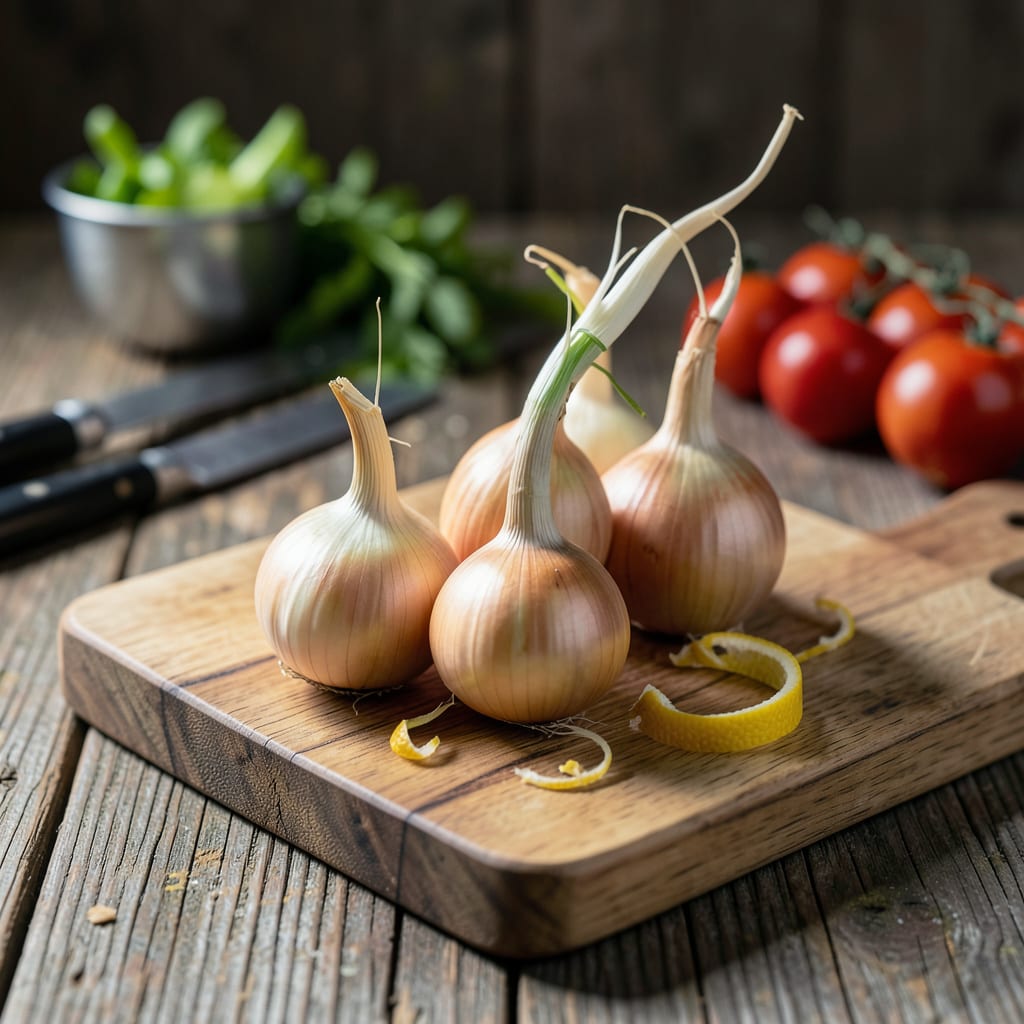
Growing onions 🧅 in North Carolina can be a rewarding experience with the right timing. In USDA zone 7b, you’ll want to plant at specific times to avoid extreme weather conditions.
The ideal planting windows are September – December or February – March, allowing for a successful harvest between May – July. Let’s explore the details to ensure your onion crop thrives.
Planting onions in North Carolina requires understanding the state’s diverse climate regions. The ideal planting time varies across the coastal, piedmont, and mountain areas due to differences in frost dates and soil temperatures 🌟.
The state’s climate ranges from USDA zone 7b in many areas, with the last frost date around April 15 and first frost date around October 15. These dates are crucial for determining the best onion planting times.
The coastal region has a longer growing season, allowing for both fall and spring planting. In the piedmont region, where most of North Carolina’s agriculture is concentrated, onion planting typically occurs in early fall or early spring 🌱.
For the mountain region, the cooler climate means planting should occur in late spring after the last frost or late summer for a fall harvest. Soil temperature is also critical, as onions grow best when soil temperatures are between 55°F and 75°F 🌡️.
Understanding these regional differences is key to successful onion cultivation in North Carolina. By planting at the right time for your specific area, you’ll be on your way to a bountiful harvest 🌼.
Onion sets should be planted 4-6 weeks before the first frost in fall or as soon as the soil can be worked in spring. This timing allows the onions to establish themselves before extreme weather conditions set in ⏰.
In North Carolina’s climate, onions typically take 90-150 days to mature from planting to harvest. The ideal harvest period is between May and July, depending on the variety and planting time 📆.
To maximize your harvest, it’s essential to choose onion varieties that are well-suited to North Carolina’s climate. Some popular varieties for the region include ‘Yellow Granex’ and ‘Texas Super Sweet‘, which perform well in the state’s mild winters and hot summers 🌟.
By considering the regional planting times and climate conditions, you can optimize your onion crop’s growth and enjoy a successful harvest in North Carolina’s diverse agricultural landscape 🌾.
Successful onion cultivation in North Carolina begins with proper garden preparation. Before planting, it’s essential to understand the specific needs of onions and how to create an optimal growing environment 🌱.
Onions require well-draining soil with a pH between 6.0 and 7.0. To achieve this, I recommend testing your soil and amending it if necessary. Adding compost or well-rotted manure can improve soil structure and fertility 🌿.
Choosing the right onion variety is crucial for success in North Carolina’s climate. Popular varieties include ‘Yellow Granex’ and ‘Texas Super Sweet’, which are well-suited to the state’s mild winters and hot summers 🌟.
Companion planting can also benefit your onion crop. Planting onions with carrots or radishes can help deter pests and improve growth. However, avoid planting onions with beans or peas, as they can stunt each other’s growth 🚫.
By following these preparation steps and choosing the right variety, you’ll be well on your way to a successful onion harvest in North Carolina 🌼.
Onions are typically ready to harvest 90-150 days after planting. Keep an eye out for signs of readiness, such as yellowing tops and fully formed bulbs 📆.
Proper garden preparation and variety selection are key to maximizing your onion yield. With the right approach, you can enjoy a bountiful harvest of delicious, homegrown onions in North Carolina 🌾.
After planting onions in North Carolina, proper care is essential for a successful harvest. Onions require consistent moisture, especially during their early growth stages 💧.
A regular watering schedule is crucial. Onions need about 1 inch of water per week, either from rainfall or irrigation. During dry spells, ensure they receive adequate moisture to promote healthy growth 🌞.
Feed your onions with a balanced fertilizer (10-10-10 NPK) every 4-6 weeks during the growing season. This promotes healthy foliage and bulb development 🌿.
Onions in North Carolina are susceptible to pests like onion thrips and onion maggots. Regular monitoring and appropriate pest control measures can help prevent damage 🐜.
Keep the area around your onions weed-free to reduce competition for nutrients and water. Hand-weeding or shallow cultivation can help control weeds without damaging the onion bulbs 🌼.
By following these care tips, you can ensure a healthy and productive onion crop in North Carolina. Proper care after planting is key to achieving a bountiful harvest 🌾.
The ideal times are September – December or February – March, depending on your region. For specific timing, check your local frost dates and soil temperature .
Onions are ready when the tops turn yellow and fall over, and the bulbs are fully formed. This usually occurs 90-150 days after planting .
Popular varieties like ‘Yellow Granex’ and ‘Texas Super Sweet’ perform well in North Carolina’s mild winters and hot summers. Choose varieties that suit your region’s specific climate conditions .
Onions need about 1 inch of water per week, either from rainfall or irrigation. Keep the soil consistently moist during their early growth stages .
