
Beautiful Plants For Your Interior
Beautiful Plants For Your Interior
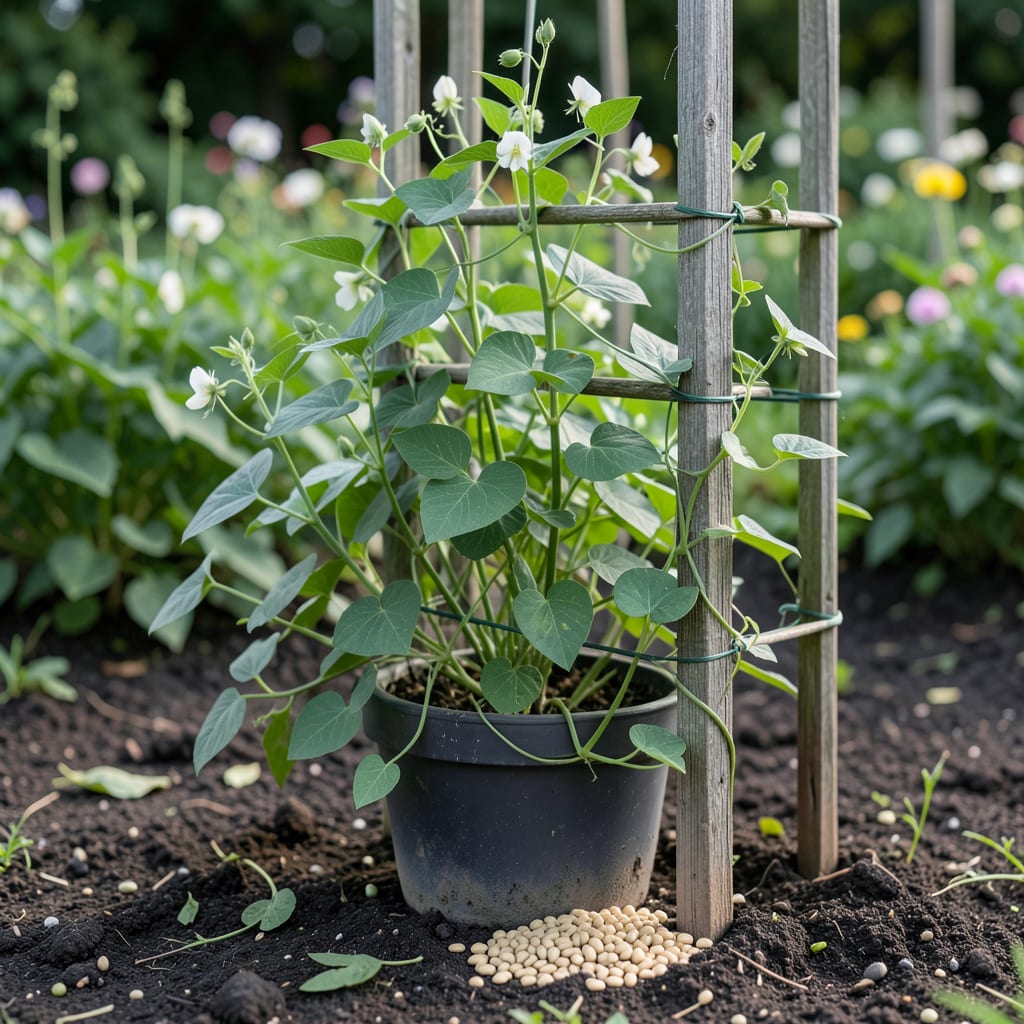
As summer winds down, it’s time to think about planting 🟢 Peas for a bountiful fall harvest. In USDA Zone 6a, the ideal time is 4-6 weeks before the first frost, typically around late August or early September.
By planting at the right time, you’ll give your Peas enough time to establish themselves before winter, setting you up for a successful harvest come spring. Let’s dive into the details to ensure your fall Peas thrive.
Ideal Time
Also Good
When it comes to planting peas in the fall, timing is crucial for a successful harvest. The ideal planting time varies based on your climate and region. Generally, you should plant peas 4-6 weeks before the first frost when the soil is still workable 🌿.
In USDA Zone 6a, for example, the first frost typically occurs around October 15. This means you should plant your peas in late August or early September. However, this date can vary significantly depending on your specific location and climate conditions 📆.
Understanding your local climate and frost dates is essential for determining the best time to plant peas in the fall. You can check the average frost dates for your area by consulting local gardening resources or using online tools 🌟.
In addition to frost dates, soil temperature plays a significant role in fall pea planting. Peas prefer cooler soil, typically between 40°F to 75°F (4°C to 24°C). In many regions, the soil temperature is still suitable for pea planting in the fall 🌡️.
For areas with mild winters, you can plant peas later in the fall, as they can survive through the winter months. In regions with harsh winters, it’s essential to plant peas early enough to allow them to establish before the ground freezes ❄️.
By considering your local climate conditions and frost dates, you can choose the ideal time to plant peas in the fall and enjoy a bountiful harvest come spring 🌱.
To ensure the best results, it’s also important to choose the right pea variety for your fall planting. Look for varieties that are specifically bred for fall production or have a shorter maturation period 🥗.
Preparing your garden bed properly is also crucial for successful fall pea planting. This includes loosening the soil, adding organic matter, and ensuring good drainage 🌾.
By following these guidelines and considering your local climate conditions, you can enjoy a successful fall pea harvest and a head start on your spring garden 🎉.
For more specific advice tailored to your region, consult with local gardening experts or check out online resources for the most up-to-date information on fall pea planting 📚.
Happy gardening, and may your fall pea crop thrive! 🌼
Preparing your garden for fall pea planting is crucial for a successful harvest. To start, you’ll need to choose the right pea variety for your fall planting. Look for varieties that are specifically bred for fall production or have a shorter maturation period 🥗.
Next, focus on soil preparation. Peas prefer well-draining, loose soil that’s rich in organic matter. Test your soil to determine its pH level and nutrient content. Most pea varieties thrive in slightly acidic to neutral soil with a pH between 6.0 and 7.0 🌿.
By following these steps, you’ll create an ideal environment for your fall peas to thrive. Proper preparation sets the stage for healthy plant growth and a bountiful harvest 🌱.
It’s also important to plan your garden layout. Peas are climbing plants and will need support as they grow. Consider using trellises, fences, or pea stakes to provide structure for your plants 🌾.
Finally,
With careful planning and preparation, your fall pea crop will be well on its way to success. Enjoy the process and happy gardening! 🌼
Once you’ve planted your peas in the fall, it’s essential to provide proper care through the winter months to ensure a healthy and productive crop come spring. One of the most critical factors is protecting your pea plants from harsh winter conditions ❄️.
For areas with harsh winters, consider applying a layer of mulch or straw to protect the soil and roots from freezing temperatures.
In regions with mild winters, you may not need to take as many precautions, but it’s still important to monitor soil moisture and ensure that your pea plants are not waterlogged 🌟.
As winter progresses, keep an eye out for signs of winter damage or pest activity. Check your plants regularly and take action if necessary to prevent any issues from becoming major problems 🌿.
In late winter to early spring, start preparing your pea plants for the upcoming growing season by removing any mulch or debris and checking for signs of new growth 🌱.
By following these care tips, you’ll be able to enjoy a healthy and productive pea crop come spring. With proper care and attention, your fall-planted peas will thrive and provide a bountiful harvest 🎉.
For more specific advice on caring for your fall-planted peas, consult with local gardening experts or check out online resources for the most up-to-date information 🌼.
Peas prefer cooler soil, typically between 40°F to 75°F (4°C to 24°C). This temperature range allows for optimal germination and growth. In many regions, the soil temperature is still suitable for pea planting in the fall.
To protect your pea plants, consider applying a layer of mulch or straw to insulate the soil and roots from freezing temperatures. This will help ensure the plants survive the winter and thrive come spring.
Yes, in regions with mild winters, you can plant peas later in the fall, as they can survive through the winter months. However, be sure to monitor soil moisture and ensure that your pea plants are not waterlogged.
Keep an eye out for signs of winter damage or pest activity, and take action if necessary. In late winter to early spring, start preparing your pea plants for the upcoming growing season by removing any mulch or debris and checking for signs of new growth.
