
Beautiful Plants For Your Interior
Beautiful Plants For Your Interior
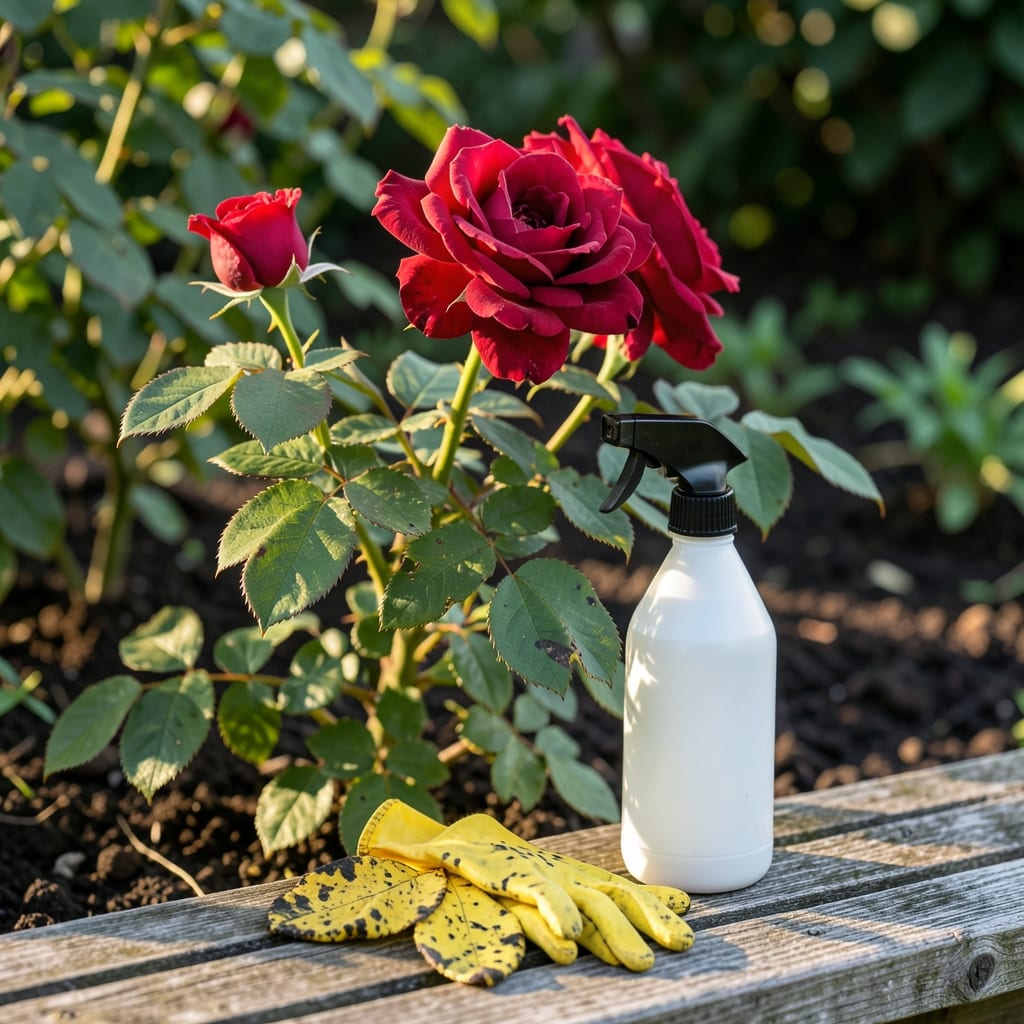
Bleach is highly toxic to roses, causing leaf burn, root damage, and potentially killing the plant. Even diluted solutions can disrupt soil pH and harm beneficial microbes in garden beds.
I’ve seen firsthand how even a small amount can devastate rose bushes within 24-48 hours. The chlorine in bleach attacks plant cells, while the alkaline pH throws off the delicate balance roses need to thrive. For gardeners, this means avoiding bleach entirely for cleaning tools or soil near roses. 🌟
Instead, I rely on hydrogen peroxide or vinegar solutions for safe disinfection. These alternatives break down harmlessly while still tackling pests and fungi effectively. Always rinse tools thoroughly after using any cleaner to prevent residue contact with plants.
💡 In This Article
Bleach contains sodium hypochlorite, which releases chlorine gas when it contacts organic matter. This gas directly damages plant cells by disrupting their membranes, causing immediate wilting and brown necrotic spots on leaves. The chlorine ions also interfere with photosynthesis, blocking the plant’s ability to convert sunlight into energy. 🔥
Roses thrive in slightly acidic soil with a pH of 6.0-6.5. Bleach has a pH of 11-13, which drastically alters soil chemistry. This extreme alkalinity locks up essential nutrients like iron and manganese, making them unavailable to the roots.
Within 24 hours, you may see yellowing leaves—a classic sign of nutrient deficiency caused by pH imbalance.
The hypochlorite in bleach oxidizes organic material in soil, including beneficial microbes. These microbes form symbiotic relationships with rose roots, helping them absorb water and nutrients. Destroying this microbial network weakens the plant’s immune system, making it more susceptible to diseases like black spot and powdery mildew. 💫
Long-term exposure leads to soil structure breakdown. The sodium in bleach causes clay particles to disperse, reducing soil’s ability to hold water and air. This creates a hardpan layer that suffocates roots. Even small amounts accumulate over time, creating a toxic environment that stunts growth and reduces blooming. ✨
What most gardeners don’t realize is that bleach residue on tools can transfer to plants during pruning. A single cut with a contaminated blade can introduce chlorine directly into the plant’s vascular system, causing internal damage that’s not immediately visible but eventually leads to branch dieback.
Visible signs often appear within 24-48 hours. Leaves may develop brown spots or yellowing as chlorine disrupts cell membranes and photosynthesis.
No, even diluted solutions can harm plants and soil. The alkaline pH and chlorine ions will still disrupt nutrient absorption and damage beneficial microbes.
Soak tools in 3% hydrogen peroxide for 10 minutes, then rinse. This kills pathogens without leaving harmful residue like bleach would.
A 1:4 vinegar-to-water mix is safe for surfaces but avoid direct plant contact. Vinegar’s acidity can cause leaf burn if applied to foliage.