
Beautiful Plants For Your Interior
Beautiful Plants For Your Interior
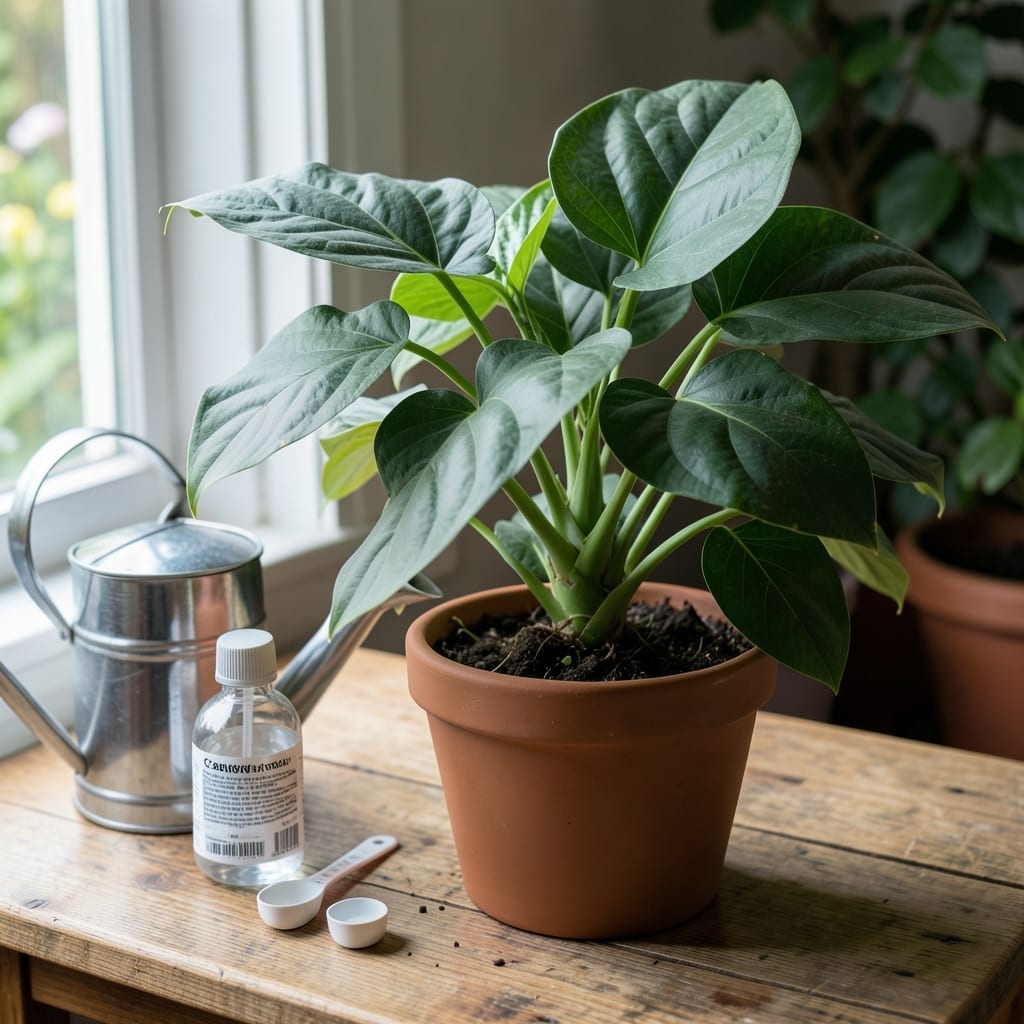
If your General Plant 🌱 isn’t thriving, the solution might be simpler than you think. Hydrogen peroxide can work wonders for root health and disease prevention, but there’s a fine line between helpful and harmful.
I’ve seen gardeners transform struggling plants with this easy addition to their watering routine. The key lies in getting the concentration just right for your garden’s needs.
Too much can burn roots, while too little won’t make a difference. We’ll break down the exact ratios that deliver benefits without risks for your plants.
Discover how this common household item can become your garden’s secret weapon when used correctly.
I’ve found that using hydrogen peroxide in plant water can work wonders for root health. The key is using the right concentration to avoid damaging your plants while still reaping the benefits.
Most gardeners don’t realize that household hydrogen peroxide (3% solution) needs to be diluted significantly. The safe range for most plants is between 0.1% and 0.3% concentration in water.
When dealing with root rot or fungal issues, you can use a slightly stronger solution. But remember, more isn’t always better – never exceed 1% for regular use, as this can harm beneficial soil microbes.
I’ve had great success using hydrogen peroxide for my tomato plants and herb garden. The difference in root health and overall vigor was noticeable within just a few waterings.
The application frequency matters too. For most plants, using a hydrogen peroxide solution once a week is sufficient. Overuse can lead to oxygen buildup that actually harms roots.
Always
Finally, store your hydrogen peroxide in a cool, dark place. Exposure to light breaks it down, reducing its effectiveness for your plants. 🌱
I always start with 3% household hydrogen peroxide when preparing a plant treatment. The key is proper dilution to avoid shocking your plants’ delicate root systems while still delivering the oxygenation benefits.
For most garden applications, I recommend mixing 1 tablespoon of 3% H₂O₂ with 1 gallon of water. This creates a gentle solution that’s safe for regular use on most plants.
For foliar spray applications, I use a slightly weaker solution of 1 teaspoon per quart of water. This is gentler on leaves while still providing the disinfecting benefits that help prevent fungal diseases.
When treating root rot or severe fungal issues, you can double the concentration to 2 tablespoons per gallon. But I only use this stronger mix for short-term treatment, not regular maintenance.
I’ve found that applying the solution in the early morning gives plants the best chance to absorb the benefits before the heat of the day. This timing also allows any foliar spray to dry before evening, reducing the risk of fungal growth.
Always test your mixture on a small area of your plant first. Some sensitive varieties may need an even more diluted solution to avoid leaf burn or root damage. 🌿