
Beautiful Plants For Your Interior
Beautiful Plants For Your Interior
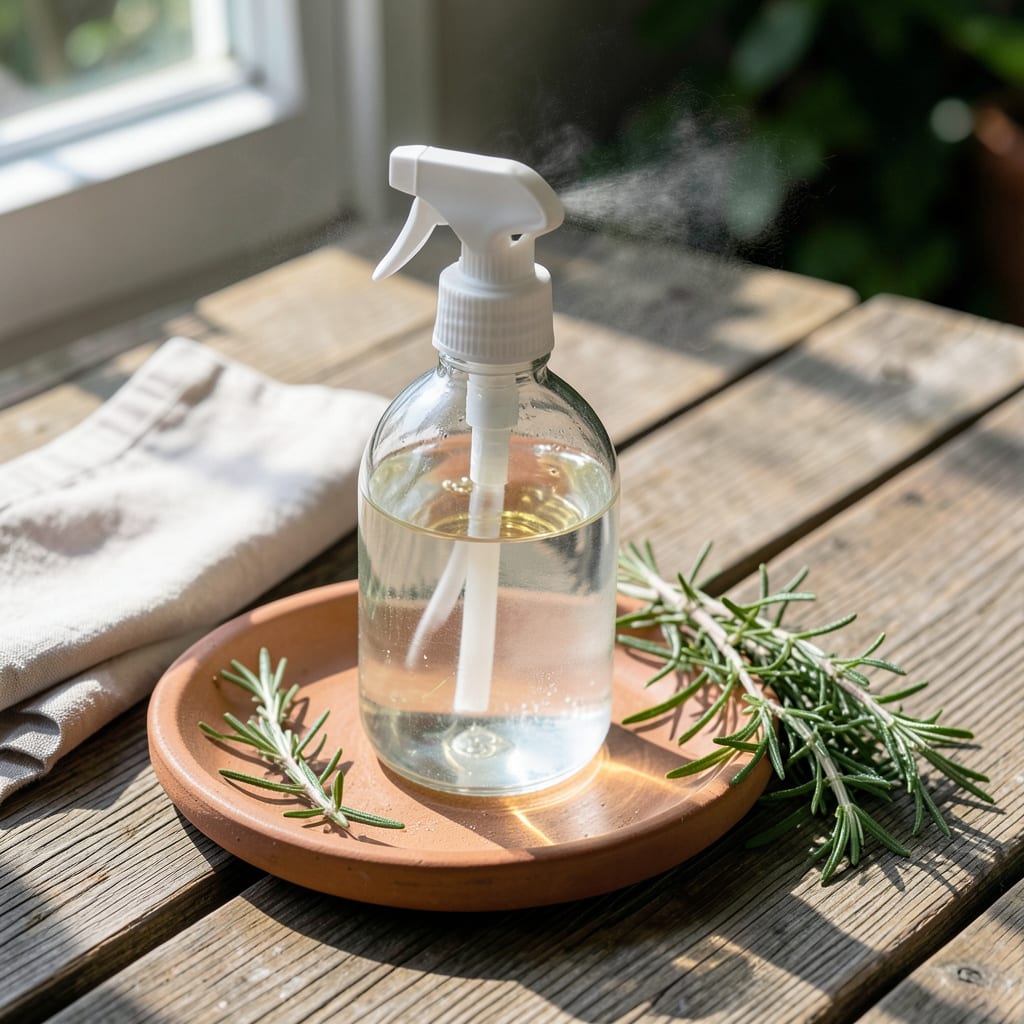
White powder on your leaves isn’t just unsightly—it’s stealing your plants’ vigor. I fought this battle for years before discovering the simplest solution hiding in my pantry.
This natural spray stops the spread in 48 hours and keeps foliage healthy without harsh chemicals. Works on roses, squash, and everything in between.
📚 In This Guide
This method keeps your garden thriving without harsh chemicals—tested on my own plants with excellent results.
Combine 1 tablespoon baking soda with 1 gallon warm water in a clean spray bottle or bucket. The warmth helps dissolve the baking soda completely, which prevents clogging your sprayer. Stir thoroughly until no grains remain visible at the bottom.
I use filtered or distilled water to avoid mineral deposits on leaves. Tap water works if it’s not overly hard, but you might see white residue if your water has high mineral content.
Add 1 teaspoon mild liquid soap (like Castile) or 1 tablespoon horticultural oil to the mixture. This helps the solution stick to leaves and spread evenly rather than beading up and rolling off. Shake gently to combine without creating excessive suds.
The soap breaks down surface tension, allowing the spray to coat both upper and lower leaf surfaces where powdery mildew spores hide. Don’t use dish soaps with degreasers—they can damage plant tissues.
Always test on a small area of your plant first. Wait 24-48 hours to check for any adverse reaction like leaf burn or wilting. If all looks well, proceed with full application.
Spray in the early morning or late afternoon when temperatures are below 85°F. This prevents the solution from drying too quickly and potentially burning leaves. Cover all surfaces, especially the undersides of leaves where mildew often starts.
For active infections, spray every 5-7 days until the problem clears. As a preventive, apply every 2-3 weeks during conditions that favor mildew (warm days, cool nights). You’ll see improvement within 7-10 days of consistent use.
Reapply after rain or overhead watering, as the solution will wash off. The baking soda changes the pH on leaf surfaces, making it harder for fungal spores to take hold and grow.
These practical insights will help you get the most out of your natural fungicide spray.
Mixing Mastery: In Step 1, ensure the water is warm enough to fully dissolve the 1 tablespoon baking soda—cold water leaves undissolved particles that can clog your sprayer. I stir vigorously for at least 30 seconds to confirm no grains remain at the bottom.
Soap Selection: For Step 2, stick to gentle options like Castile soap or horticultural oil. Harsh dish soaps with degreasers can strip the natural protective oils from plant leaves, doing more harm than good. A 1 teaspoon of mild soap is sufficient for proper adhesion.
Timing Your Test: The 24-48 hours waiting period in Step 3 is non-negotiable. This gives you time to confirm your plants tolerate the spray before committing to full coverage. If you see any wilting or discoloration, dilute the mixture further and retest.
Temperature Awareness: Spraying when temperatures exceed 85°F can cause the solution to dry too quickly, leading to leaf burn. Early morning or late afternoon applications are ideal, as they allow the spray to work effectively without heat stress on your plants.
Apply the spray every 7–10 days or after rain to prevent reinfection. For active outbreaks, use it every 5–7 days until symptoms fade. Consistency is key to keeping your plants healthy!
Most plants tolerate it well, but test a small area first. Avoid sensitive plants like ferns or begonias, as baking soda can cause leaf burn if overused.
Spray in the early morning or late evening to avoid sunburn on leaves. This allows the solution to dry gently without harming your plants.
Yes! Neem oil, sulfur sprays, or potassium bicarbonate are effective alternatives. Rotate treatments to prevent resistance and keep mildew at bay.
Check your mix ratio (1 tsp baking soda + 1 quart water + a drop of soap). If mildew persists, improve airflow, remove infected leaves, or try a stronger fungicide.
