
Beautiful Plants For Your Interior
Beautiful Plants For Your Interior
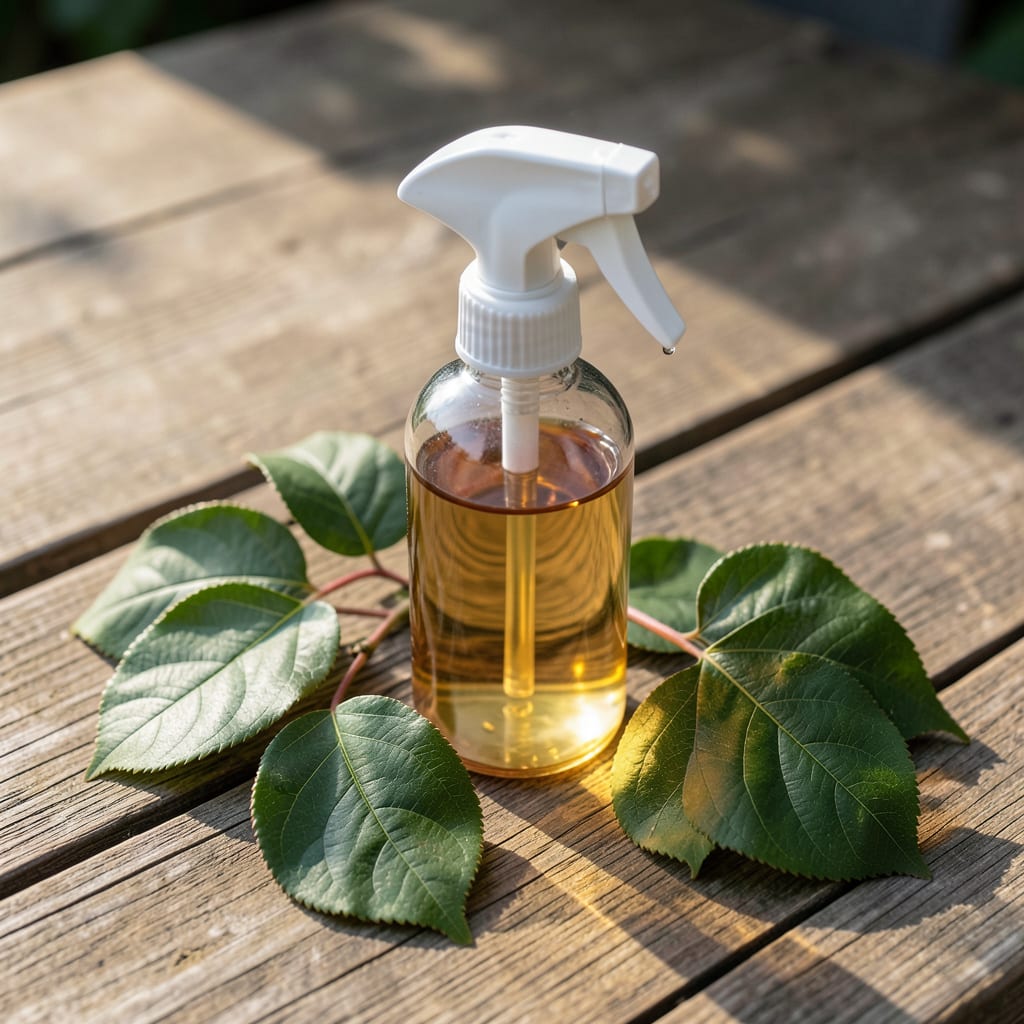
Peach leaf curl can devastate your tree before spring even begins. This fungal disease twists and blisters new leaves, weakening the plant and reducing fruit production significantly.
I discovered that a copper-based organic fungicide applied at the right time provides the most effective prevention. The key is timing—treat during dormancy and again as buds begin to swell.
This method protects your peach tree without harsh chemicals, maintaining both plant health and organic integrity. The application process is straightforward and requires only basic equipment.
With proper prevention, your tree will produce healthy foliage and a bountiful harvest. The investment in prevention saves you from dealing with the consequences later.
Peach leaf curl is a common and destructive fungal disease caused by Taphrina deformans. Understanding its root causes helps you tackle it effectively with organic solutions. Below are the primary reasons this disease takes hold in your peach trees.
The fungus Taphrina deformans thrives in cool, wet conditions, typically infecting trees during late winter or early spring as buds begin to swell. The pathogen overwinters in bark crevices and bud scales, then activates when moisture and temperatures (45–70°F) align. Without intervention, it penetrates young leaves, causing the telltale curling, reddening, and eventual defoliation.
Excessive rain, heavy dew, or poor air circulation creates the perfect environment for spores to germinate and spread. Trees in humid climates or those with dense canopies are especially vulnerable. Overhead irrigation can also exacerbate the problem by keeping foliage wet for extended periods.
Not all peach trees are equally resistant. Some heirloom or older varieties lack genetic defenses against Taphrina deformans, making them more prone to infection. Even resistant cultivars can succumb if environmental conditions are ideal for the fungus.
Fallen leaves, twigs, and mummified fruit left under the tree harbor spores that reinfect the tree the following season. Inadequate cleanup in autumn or winter allows the pathogen to persist, ensuring a cycle of recurring disease.
Addressing these causes—through timely fungicide application, improving airflow, and maintaining cleanliness—can significantly reduce the risk of peach leaf curl.
Dealing with peach leaf curl can feel overwhelming, but these organic solutions will help you tackle the problem head-on while keeping your garden safe and chemical-free.
If you notice reddish, puckered leaves in early spring, act fast. Remove and destroy affected leaves to prevent the fungus from spreading. Follow up with an application of copper-based organic fungicide (like copper octanoate or Bordeaux mixture) to protect new growth. Spray thoroughly, covering both sides of the leaves, and reapply after heavy rain.
Prevention tip: 💡 Prune your peach tree in late winter to improve air circulation, which reduces fungal spores’ ability to thrive.
When the disease progresses, leaves may yellow, drop prematurely, or cause stunted shoots. Remove all fallen leaves and debris around the tree to eliminate overwintering spores. Apply a neem oil spray (mixed with water and a drop of dish soap for adhesion) as a secondary organic treatment. Repeat every 7–10 days until symptoms subside.
Prevention tip: ✨ Water your tree at the base in the morning to keep foliage dry, as damp leaves encourage fungal growth.
To stop peach leaf curl before it starts, apply a copper fungicide spray during dormancy (late fall after leaf drop and again in late winter before buds swell). This protects the tree when it’s most vulnerable. Use a lime sulfur spray as an alternative for a broader organic approach.
Prevention tip: 🎯 Choose resistant peach varieties like ‘Frost’ or ‘Redhaven’ if leaf curl is a recurring issue in your garden.
Consistency is key—stick to these organic methods, and your peach tree will bounce back healthier and more resilient!
Apply your first copper-based spray in late fall after leaf drop. This targets overwintering spores before they can infect new growth.
Neem oil helps but works best as a supplement to copper fungicide. Use it for mild cases or between copper applications for extra protection.
Reapply copper fungicide immediately after heavy rain, as water can wash it away. Maintain coverage during the dormant season and early spring.
Remove all affected leaves and debris first, then apply copper fungicide and neem oil weekly until symptoms improve. Consistency is key for recovery.
