
Beautiful Plants For Your Interior
Beautiful Plants For Your Interior
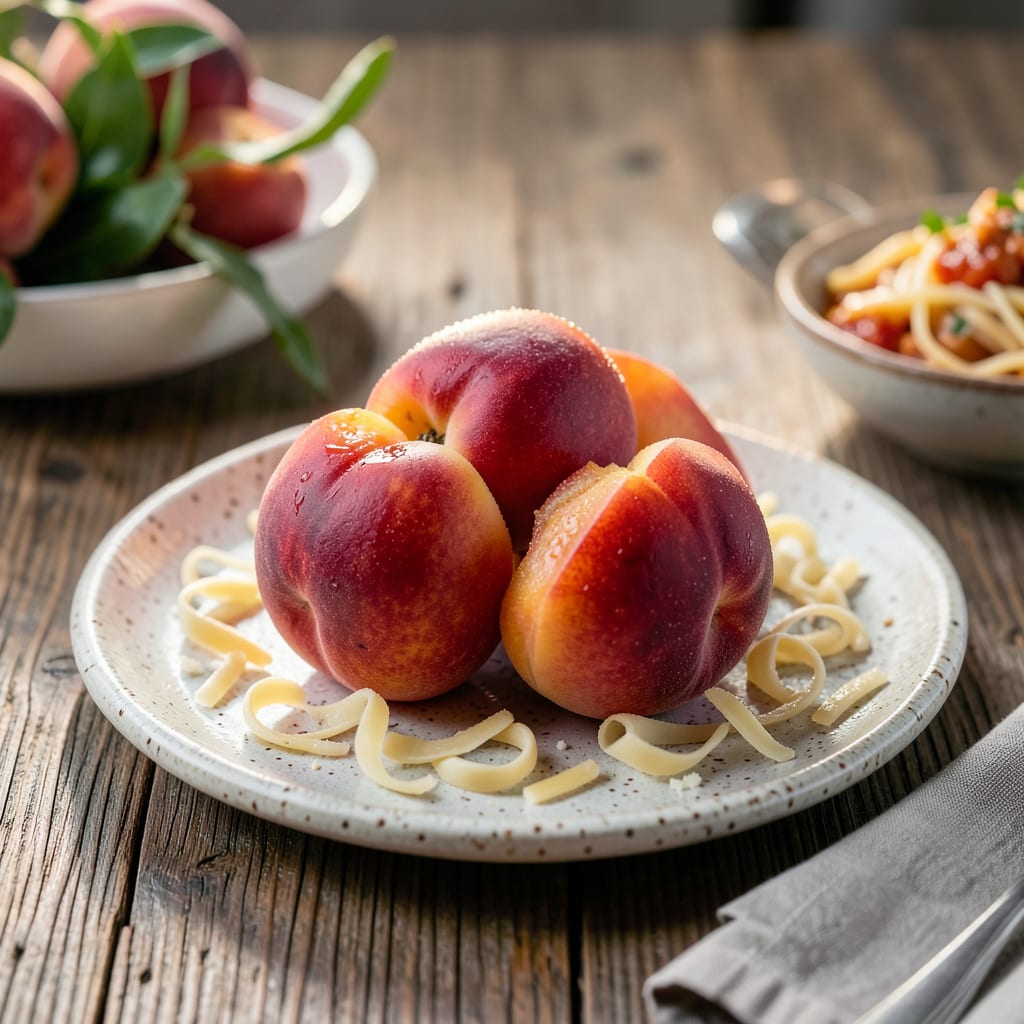
As a California peach 🍑 tree owner, timing is everything when it comes to fertilization. Fertilizing at the right moment can make all the difference in your tree’s health and fruit production.
In California’s 9b climate, you’ll want to pay attention to your peach tree‘s growth cycle to determine the best fertilization schedule. Let’s explore the optimal times to fertilize your peach tree for a bountiful harvest.

In California’s Mediterranean climate, peach trees have specific fertilization needs. The ideal time to fertilize depends on the tree’s growth cycle and the region’s frost dates. Generally, peach trees in California benefit from fertilization in late winter to early spring 🌟.
Fertilizing at the right time promotes healthy growth, fruit production, and resilience to disease and pests. For peach trees in California, the best fertilization period is typically between February and March, after the threat of frost has diminished but before the tree starts its active growth phase 🌱.
The fertilization schedule should be based on the1″>best time to fertilize peach trees in California is in late winter (February). This timing allows the tree to absorb the necessary nutrients for healthy growth and fruit production during the growing season. Fertilizing at this time also helps the tree recover from any nutrient deficiencies that may have developed during the winter months 🌟.
It’s essential to consider the tree’s age and size when determining the amount of fertilizer to apply. Younger trees may require less fertilizer than mature trees. Additionally, the soil type and pH can affect the tree’s nutrient uptake, so it’s crucial to test the soil periodically to ensure it’s not too alkaline or acidic 🌿.
When fertilizing peach trees, use a balanced fertilizer with a ratio such as 10-10-10 (nitrogen-phosphorus-potassium). This balanced formula provides the necessary nutrients for overall tree health and fruit development. Avoid over-fertilizing, as this can lead to excessive vegetative growth at the expense of fruit production 🚨.
For young peach trees (1-3 years old), start with a smaller amount of fertilizer and gradually increase it as the tree grows. For mature trees, maintain a consistent fertilization schedule based on the tree’s needs and soil conditions. Always water the tree thoroughly after fertilizing to help the nutrients reach the root zone 💧.
Monitoring the tree’s response to fertilization is crucial. If the tree shows signs of nutrient deficiency, such as yellowing leaves or poor growth, adjust the fertilization schedule accordingly. Conversely, if the tree exhibits excessive growth or other signs of over-fertilization, reduce the amount of fertilizer applied 🌱.
By following these guidelines and considering the specific needs of your peach trees, you can optimize your fertilization strategy for a healthy and productive orchard in California. Regular fertilization, combined with proper care and maintenance, will help ensure a bountiful harvest of delicious peaches 🍑.
Fertilizing peach trees at the right time is just one aspect of maintaining a healthy orchard. Other important factors include proper pruning, pest management, and irrigation. By integrating these practices, you can create a comprehensive care plan that supports the overall health and productivity of your peach trees 🌳.
When it comes to fertilizing peach trees in California, understanding the right techniques is just as important as timing. I recommend using a balanced fertilizer with a ratio like 10-10-10 NPK to provide essential nutrients for overall tree health and fruit development 🌿.
The amount of fertilizer you should apply depends on the tree’s age and size. For young peach trees (1-3 years old), start with a smaller amount and gradually increase it as the tree grows. For mature trees, maintain a consistent fertilization schedule based on the tree’s needs and soil conditions 📝.
Always water your peach tree thoroughly after fertilizing to help the nutrients reach the root zone. This simple step ensures your tree gets the most out of the fertilizer 🔥.
Soil testing is crucial to determine if your peach tree needs additional nutrients. Test your soil periodically to check its pH level and nutrient content. Based on the results, you can adjust your fertilization strategy to ensure optimal tree health 🌱.
In addition to fertilization, other factors like proper pruning, pest management, and irrigation play a significant role in maintaining a healthy peach orchard. By integrating these practices into your care routine, you can create a comprehensive plan that supports the overall health and productivity of your peach trees 🌳.
For peach trees in California, it’s also important to consider the climate and regional conditions. The state’s Mediterranean climate means that peach trees have specific needs during different times of the year. Be sure to adjust your fertilization schedule accordingly to maximize your tree’s growth and fruit production 📆.
By following these fertilization tips and considering the unique needs of your peach trees, you can enjoy a bountiful harvest of delicious peaches.
When fertilizing peach trees in California, it’s essential to avoid common mistakes that can negatively impact tree health and fruit production. One of the most critical errors is over-fertilization, which can lead to excessive vegetative growth at the expense of fruiting 🌳.
Be cautious of over-fertilizing your peach trees, as this can cause more harm than good. Too much fertilizer can lead to weak tree structure and reduced fruit quality 🚨.
Another common mistake is fertilizing at the wrong time. Peach trees in California benefit most from fertilization in late winter to early spring. Fertilizing too early or too late can disrupt the tree’s natural growth cycle and reduce its effectiveness 🌱.
Soil testing is also crucial to avoid fertilization mistakes. By understanding your soil’s pH level and nutrient content, you can tailor your fertilization strategy to meet the specific needs of your peach trees. This helps prevent nutrient imbalances that can harm your trees 🔬.
To maintain a healthy and productive peach orchard in California, it’s vital to be aware of these common fertilization mistakes and take steps to avoid them. By doing so, you can ensure your trees receive the right nutrients at the right time, promoting optimal growth and fruit production 🍑.
Regular monitoring of your trees’ response to fertilization is also key. Keep an eye out for signs of nutrient deficiency or over-fertilization, and adjust your fertilization schedule accordingly. This proactive approach will help you maintain a thriving peach orchard 🌟.
The best time to fertilize peach trees in California is in late winter (February), after the threat of frost has diminished but before the tree starts its active growth phase. This timing allows the tree to absorb necessary nutrients for healthy growth and fruit production during the growing season. Fertilizing at this time also helps the tree recover from any nutrient deficiencies that may have developed during the winter months.
In California, peach trees typically require fertilization every 4-6 weeks during the growing season, which starts in late winter and continues through early spring. The exact frequency depends on factors like soil quality, tree age, and overall tree health. It’s essential to monitor your tree’s response to fertilization and adjust the schedule as needed.
A balanced fertilizer with a ratio like 10-10-10 NPK is recommended for peach trees in California. This type of fertilizer provides essential nutrients for overall tree health and fruit development. Avoid over-fertilizing, as this can lead to excessive vegetative growth at the expense of fruit production. Always follow the manufacturer’s instructions for application rates.
Monitor your peach tree’s health by checking for signs of nutrient deficiency, such as yellowing leaves or poor growth. Regular soil testing can also help determine if your tree needs additional nutrients. Adjust your fertilization schedule based on the tree’s response and soil test results to ensure optimal health and fruit production.
