
Beautiful Plants For Your Interior
Beautiful Plants For Your Interior
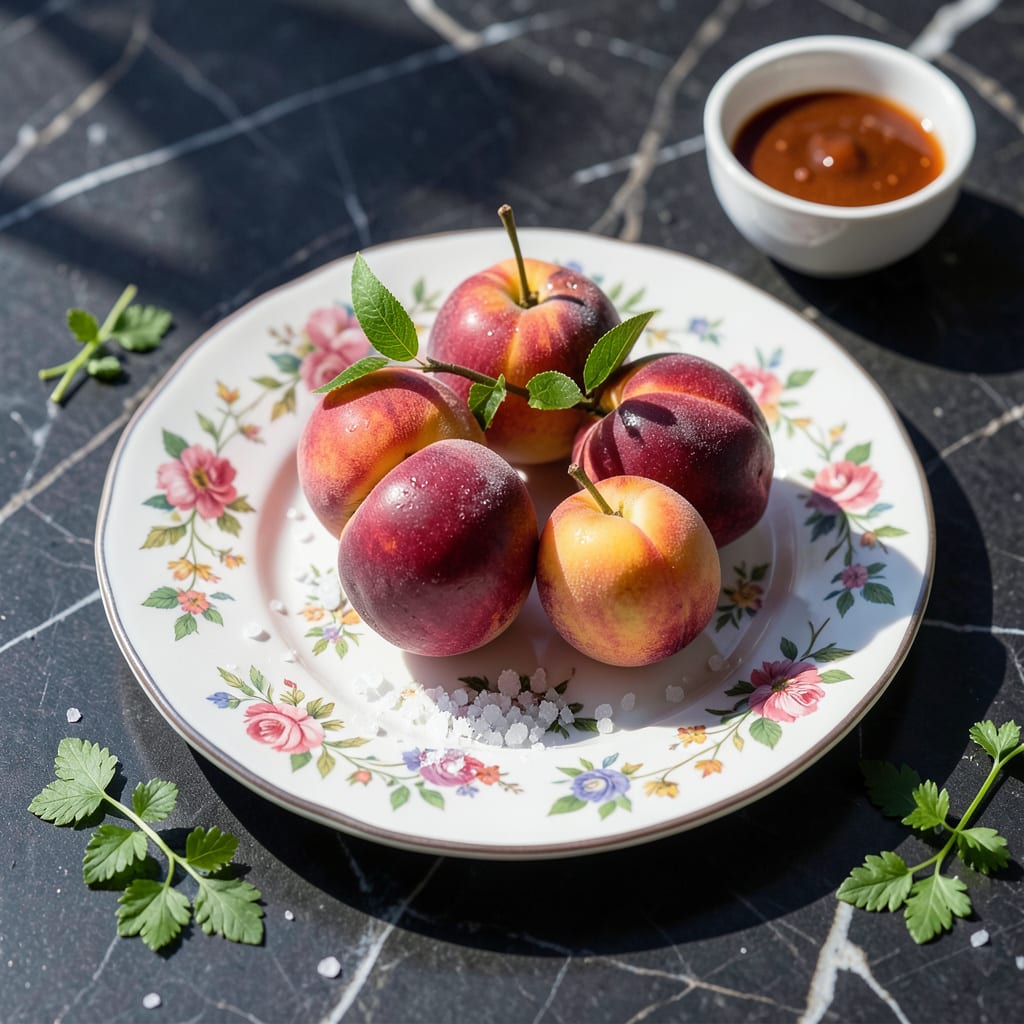
Fertilizing your Peach Tree 🍑 at the right time is crucial for a bountiful summer harvest. In USDA Zone 6, the growing season starts in early spring, making it the perfect time to give your tree the nutrients it needs.
I’ll walk you through the best times to fertilize your Peach Tree, ensuring you get the most out of your tree’s growing season. Let’s get started!

Fertilizing peach trees at the right time is crucial for their health and productivity. In USDA Zone 6, the ideal time to fertilize peach trees is in early spring, just before the growing season begins. This allows the tree to absorb the necessary nutrients as it starts to produce new growth 🌟.
I recommend fertilizing your peach trees in March, when the soil is still cool from winter but the tree is about to start its active growth phase. This timing helps promote healthy development and maximizes fruit production 🍑.
The fertilization schedule for peach trees is critical because it directly impacts their ability to produce fruit. Fertilizing too early or too late can lead to poor fruit quality or reduced yields. By following the recommended schedule, you can ensure your peach trees receive the nutrients they need at the right time 📅.
Soil type also plays a significant role in determining the best fertilization strategy. For example, if your soil is sandy, it may require more frequent fertilization due to its lower nutrient-holding capacity. Conversely, clay soils may need less frequent fertilization because they retain nutrients longer 🌿.
To determine the best fertilizer for your peach trees, consider getting a soil test. This will help you understand your soil’s nutrient deficiencies and pH level, allowing you to choose a fertilizer that addresses these specific needs 🔬.
In addition to the timing and type of fertilizer, the application method is also important. For a balanced fertilizer like 10-10-10 NPK, spread the fertilizer evenly under the tree’s canopy, from the trunk out to the drip line. Avoid applying fertilizer directly against the trunk 🔄.
By understanding the factors that influence fertilization, such as tree age and climate conditions, you can tailor your fertilization strategy to meet the specific needs of your peach trees. This personalized approach will help ensure your trees remain healthy and productive 🌟.
Monitoring your trees’ response to fertilization is also crucial. Look for signs of nutrient deficiency or excess, such as yellowing leaves or excessive growth, and adjust your fertilization plan accordingly 🔍.
Fertilizing peach trees is not a one-size-fits-all solution. It requires careful consideration of multiple factors, including soil type, tree age, and climate conditions. By taking a thoughtful and informed approach, you can optimize your fertilization strategy and enjoy a bountiful harvest 🌼.
For more detailed information on fertilizing peach trees, including additional tips and considerations, continue reading the next section 📚.
Fertilizing peach trees effectively requires careful consideration of several factors, including the type of fertilizer, application method, and timing. I’ll provide you with practical tips to help you get the most out of your fertilization efforts 🌟.
First, it’s essential to choose the right type of fertilizer for your peach trees. A balanced fertilizer with an NPK ratio of 10-10-10 is generally recommended. This type of fertilizer provides equal amounts of nitrogen, phosphorus, and potassium, which are essential for healthy tree growth and fruit production 📦.
When applying fertilizer,
The application method is also crucial for effective fertilization. You can either broadcast the fertilizer on the soil surface or mix it into the soil. Broadcasting is a simpler method, but mixing it into the soil can help reduce waste and promote better absorption 🌱.
When fertilizing peach trees, it’s also important to consider the tree’s age. Young trees (less than 3 years old) require more frequent fertilization than mature trees. For young trees, fertilize every 4-6 weeks during the growing season, while mature trees can be fertilized every 6-8 weeks 📆.
Soil conditions also play a significant role in fertilization. If your soil is sandy, it may require more frequent fertilization due to its lower nutrient-holding capacity. Conversely, clay soils may need less frequent fertilization because they retain nutrients longer 🌿.
To ensure you’re fertilizing your peach trees effectively, monitor their response to fertilization. Look for signs of nutrient deficiency or excess, such as yellowing leaves or excessive growth, and adjust your fertilization plan accordingly 🔍.
By following these practical tips and considering the specific needs of your peach trees, you can optimize your fertilization strategy and enjoy a bountiful harvest 🍑.
For more information on fertilizing peach trees, including additional tips and considerations, continue reading the next section 📚.
Understanding when your peach trees need fertilization is crucial for maintaining their health and maximizing fruit production. I’ll help you identify the key signs that indicate your trees require fertilization 🍑.
Yellowing leaves, slow growth, and poor fruit quality are common indicators that your peach trees need fertilization.
Nutrient deficiencies can manifest in various ways, including yellowing or discolored leaves, slow growth, and poor fruit quality. If you notice any of these signs, it’s likely that your peach trees require fertilization 🌿.
A soil test can help determine the nutrient levels in your soil and identify any deficiencies. This information can guide your fertilization decisions and ensure you’re providing the necessary nutrients for optimal tree health 🔬.
Monitoring your trees’ response to fertilization is also essential. Keep an eye out for signs of nutrient deficiency or excess, such as yellowing leaves or excessive growth, and adjust your fertilization plan accordingly 🔍.
By recognizing the signs that your peach trees need fertilization and taking a thoughtful approach to fertilization, you can maintain the health and productivity of your trees 🌟.
Fertilizing your peach trees at the right time and in the right way can make a significant difference in their overall health and fruit production. By following these guidelines, you can enjoy a bountiful harvest 🍑.
Fertilize your peach trees every 4-6 weeks during the growing season, typically starting in early spring (March) and continuing until July. The exact frequency depends on factors like soil type and tree age. For young trees (less than 3 years old), fertilize more frequently, while mature trees can be fertilized less often.
A balanced fertilizer with an NPK ratio of 10-10-10 is generally recommended for peach trees. This type of fertilizer provides equal amounts of nitrogen, phosphorus, and potassium, which are essential for healthy tree growth and fruit production. Consider getting a soil test to determine your soil’s specific nutrient needs.
Watch for signs of nutrient deficiency, such as yellowing leaves, slow growth, and poor fruit quality. A soil test can also help determine nutrient levels and guide fertilization decisions. Monitor your trees’ response to fertilization and adjust your plan accordingly.
Yes, over-fertilization can harm your peach trees. Avoid fertilizing after July to prevent new growth before winter. Also, be cautious not to over-fertilize young trees, as this can cause excessive growth that may not have time to harden off before winter.
