
Beautiful Plants For Your Interior
Beautiful Plants For Your Interior
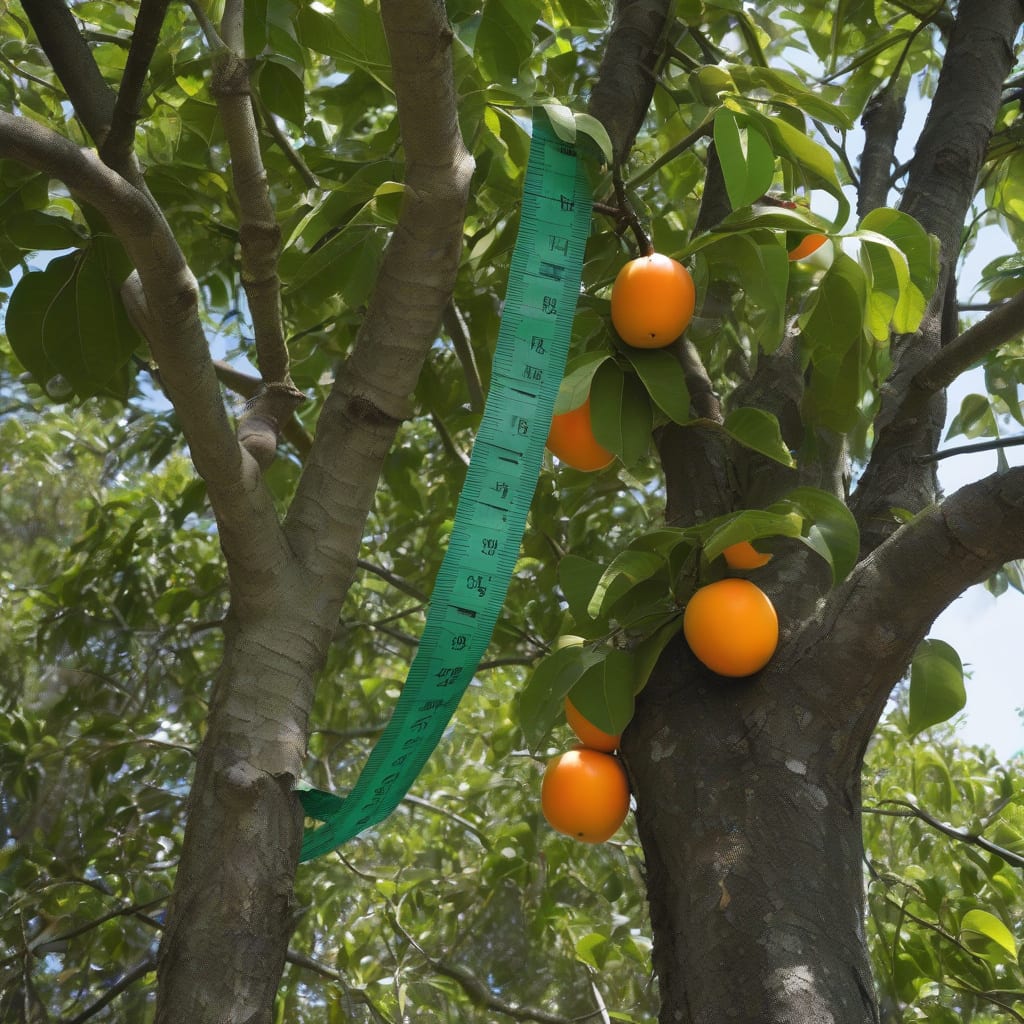
When planting a Persimmon Tree 🌳, understanding its growth potential is crucial. These trees can grow to varying heights depending on factors like soil quality and tree variety.
In ideal conditions, a Persimmon Tree can reach heights of 20 to 60 feet, making them a significant addition to any landscape in USDA Zone 6. Let’s explore what affects their growth and how to manage their size.


Understanding what affects the height of a Persimmon Tree is crucial for garden planning. Several factors contribute to the tree’s growth, including soil quality, climate conditions, and the specific tree variety.
The soil quality plays a significant role in determining how tall a Persimmon Tree will grow. Trees planted in well-draining soil with a pH between 6.0 and 7.0 tend to grow healthier and taller. Soil that is too dense or poorly draining can hinder root development, limiting the tree’s overall height 🌳.
Climate conditions also significantly impact the height of a Persimmon Tree. These trees thrive in full sun and moderate temperatures, typical of USDA Zone 6. Extreme weather conditions, such as prolonged drought or excessive cold, may limit the height of a Persimim Tree.
Tree variety is another critical factor. Persimmon Trees come in dwarf, semi-dwarf, and standard varieties. Dwarf varieties typically grow the shortest, ranging from 15 to 20 feet. Semi-dwarf varieties can grow taller, reaching heights of 20 to 30 feet. Standard varieties can grow the tallest, often reaching 30 to 60 feet or more 🌳.
Understanding the factors that affect the height of a Persimmon Tree is essential for garden planning. By considering soil quality, climate conditions, and the tree variety, gardeners can make informed decisions about planting and caring for these trees.
Proper care and maintenance can help Persimmon Trees achieve their full growth potential. With the right conditions and care, these trees can thrive and provide a bountiful harvest for years to come.
By understanding the factors that affect the height of a Persimmon Tree, gardeners can better plan their garden and enjoy the many benefits these trees have to offer. Whether you’re looking for a dwarf variety or a standard variety, Persimmon Trees can be a beautiful and productive addition to your landscape 🌳.
Persimmon Trees come in various sizes, ranging from dwarf varieties that grow the shortest to standard varieties that can reach the tallest heights. Understanding the average height and maximum potential height of different Persimmon Tree varieties is essential for effective garden planning.
The average height of Persimmon Trees varies significantly depending on the variety. Dwarf varieties typically grow to be around 15 to 20 feet tall, while semi-dwarf varieties can reach heights of 20 to 30 feet. Standard varieties are the tallest, often growing to be 30 to 60 feet or more 🌳.
Understanding the average and maximum height of different Persimmon Tree varieties is crucial for effective garden planning. By selecting the right variety for your space, you can enjoy the benefits of these beautiful and productive trees.
The maximum height potential of Persimmon Trees is also an important consideration. While dwarf varieties have a limited growth potential, standard varieties can grow quite tall under the right conditions. Proper care and maintenance can help these trees achieve their full height potential 🌳.
By understanding the average and maximum height potential of different Persimmon Tree varieties, gardeners can make informed decisions about planting and caring for these trees. Whether you’re looking for a dwarf variety or a standard variety, Persimmon Trees can be a beautiful and productive addition to your landscape.
Proper pruning and maintenance are essential for managing the height of a Persimmon Tree and promoting optimal growth. Regular pruning can help control the tree’s height and encourage a more productive canopy.
Regular pruning helps control the height and promotes a more productive canopy. Prune your Persimmon Tree annually to maintain its health and desired height.
Annual pruning is a simple yet effective way to manage the height of your Persimmon Tree. By removing dead or diseased branches and shaping the canopy, you can encourage the tree to grow in a healthy and productive manner. Regular maintenance also includes monitoring for pests and diseases, which can impact the tree’s overall health 🌳.
By incorporating proper pruning and maintenance into your gardening routine, you can help your Persimmon Tree achieve its full growth potential and enjoy a bountiful harvest for years to come.
Effective height management through regular pruning and maintenance can also help reduce the risk of certain pests and diseases. By keeping your tree healthy and well-maintained, you can minimize potential issues and ensure a productive harvest.
Regular pruning and maintenance are crucial for maintaining the health and productivity of your Persimmon Tree. By taking the time to prune annually and monitor for pests and diseases, you can help your tree thrive and enjoy a bountiful harvest for years to come 🌳.
Persimmon Trees come in various sizes, ranging from dwarf varieties that grow the shortest to standard varieties that can reach the tallest heights. Understanding the average height and maximum potential height of different Persimmon Tree varieties is essential for effective garden planning.
The average height of Persimmon Trees varies significantly depending on the variety. Dwarf varieties typically grow to be around 15 to 20 feet tall, while semi-dwarf varieties can reach heights of 20 to 30 feet. Standard varieties are the tallest, often growing to be 30 to 60 feet or more 🌳.
Understanding the average and maximum height of different Persimmon Tree varieties is crucial for effective garden planning. By selecting the right variety for your space, you can enjoy the benefits of these beautiful and productive trees.
The maximum height potential of Persimmon Trees is also an important consideration. While dwarf varieties have a limited growth potential, standard varieties can grow quite tall under the right conditions. Proper care and maintenance can help these trees achieve their full height potential 🌳.
By understanding the average and maximum height potential of different Persimmon Tree varieties, gardeners can make informed decisions about planting and caring for these trees. Whether you’re looking for a dwarf variety or a standard variety, Persimmon Trees can be a beautiful and productive addition to your landscape 🌳.
Proper pruning and maintenance are essential for managing the height of a Persimmon Tree and promoting optimal growth. Regular pruning can help control the tree’s height and encourage a more productive canopy.
Regular pruning helps control the height and promotes a more productive canopy. Prune your Persimmon Tree annually to maintain its health and desired height 🌳.
Annual pruning is a simple yet effective way to manage the height of your Persimmon Tree. By removing dead or diseased branches and shaping the canopy, you can encourage the tree to grow in a healthy and productive manner.
Regular maintenance also includes monitoring for pests and diseases, which can impact the tree’s overall health. Effective height management through regular pruning and maintenance can help reduce the risk of certain pests and diseases.
By incorporating proper pruning and maintenance into your gardening routine, you can help your Persimmon Tree achieve its full growth potential and enjoy a bountiful harvest for years to come 🌳.
Regular pruning and maintenance are crucial for maintaining the health and productivity of your Persimmon Tree. By taking the time to prune annually and monitor for pests and diseases, you can help your tree thrive and enjoy a bountiful harvest.
