
Beautiful Plants For Your Interior
Beautiful Plants For Your Interior
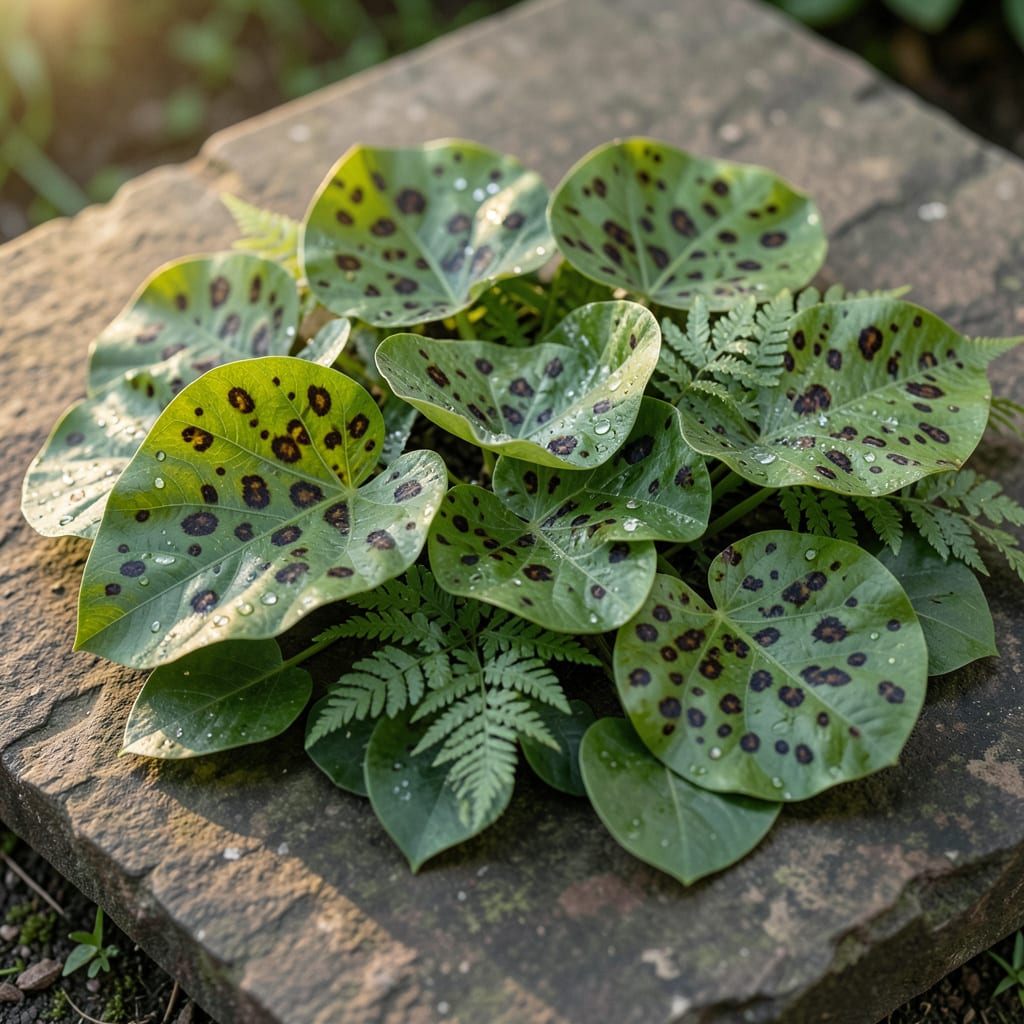
Those brown or black spots on your leaves aren’t just ugly—they’re your plants crying for help. I’ve seen perfectly healthy gardens turn spotty overnight, and the culprit is usually one of three things: fungus, pests, or stress.
Funny thing is, most gardeners panic and reach for chemicals first. The organic fixes are simpler than you think, and they work just as well. Early detection means you can often stop the spread with just a few adjustments to watering or airflow.
You’ll start seeing improvement within 3-7 days of treating the issue properly. The key is matching the solution to the cause—what works for fungal spots won’t touch pest damage.
Works for houseplants, vegetables, and ornamentals alike. Here’s how to play plant detective and fix what’s ailing your greenery.
Leaf spots are a common issue for plant owners, and understanding the root causes can help you address them effectively. Below are the most frequent culprits behind those unsightly spots on leaves of plants:
Fungi like Alternaria, Cercospora, and Septoria thrive in warm, humid conditions and can cause circular or irregular brown, black, or yellow spots. These pathogens spread through spores, often splashing from soil onto leaves during watering or rain.
Bacteria such as Pseudomonas syringae and Xanthomonas create water-soaked or angular spots, often with yellow halos. They enter through wounds or stomata (leaf pores) and multiply rapidly in wet conditions, leading to leaf blight or dieback.
Insects like aphids, spider mites, and thrips pierce plant tissues, creating entry points for infections. Their feeding can also cause stippling, discoloration, or necrotic spots. Check leaf undersides for tiny pests or webbing.
Overwatering, poor drainage, or extreme temperatures can stress plants, making them vulnerable to diseases. Sunburn (white or yellow patches) or nutrient deficiencies (e.g., magnesium or potassium) may also mimic spot-like symptoms.
Herbicides, fertilizers, or even hard water can cause leaf scorching or spotting. Excess salts or pH imbalances in the soil may lead to marginal burn or interveinal chlorosis (yellowing between veins).
Dealing with spots on leaves starts with identifying the cause and applying targeted fixes. Here’s how to tackle the most common issues:
If you spot brown or black patches with fuzzy edges, it’s likely a fungal issue. Remove infected leaves immediately to prevent spreading. Apply a copper-based fungicide or a homemade mix of 1 tsp baking soda + 1 quart water + a drop of dish soap. Spray weekly until the problem clears.
Prevention tip: 💡 Improve air circulation around plants and avoid overhead watering to keep leaves dry.
Tiny spots or holes? Pests like aphids or spider mites may be the culprit. Blast them off with a strong stream of water, then apply neem oil or insecticidal soap. For stubborn infestations, introduce beneficial insects like ladybugs.
Prevention tip: 🌡️ Regularly inspect the undersides of leaves and keep your garden free of debris where pests hide.
Yellow or brown spots with crispy edges often signal overwatering or underwatering. Check soil moisture: if it’s soggy, reduce watering and improve drainage. If it’s bone-dry, water deeply but less frequently. Mulch can help retain moisture evenly.
Prevention tip: ✨ Use a moisture meter to take the guesswork out of watering.
Pale spots or yellowing between veins? Your plant may lack magnesium, iron, or nitrogen. Use a balanced organic fertilizer or amend the soil with compost. For quick fixes, foliar sprays (like Epsom salt for magnesium) work well.
Prevention tip: 🎯 Test your soil annually to catch deficiencies early.
Consistency is key—monitor your plants regularly and act at the first sign of trouble!
Fungal spots are usually brown or black with fuzzy edges. Pest damage often looks like tiny holes or stippling. Check leaf undersides for insects or webbing to confirm.
Yes, for fungal or bacterial issues, pruning infected leaves immediately can prevent further spread. Always sterilize your tools with rubbing alcohol after each cut.
Overwatering leads to root rot, which often appears as brown, crispy spots on leaves. Let soil dry slightly between waterings to prevent this.
A baking soda spray (1 tsp per quart of water) works well for mild fungal issues. Neem oil is great for pests. These are safe, organic options for early treatment.
