
Beautiful Plants For Your Interior
Beautiful Plants For Your Interior
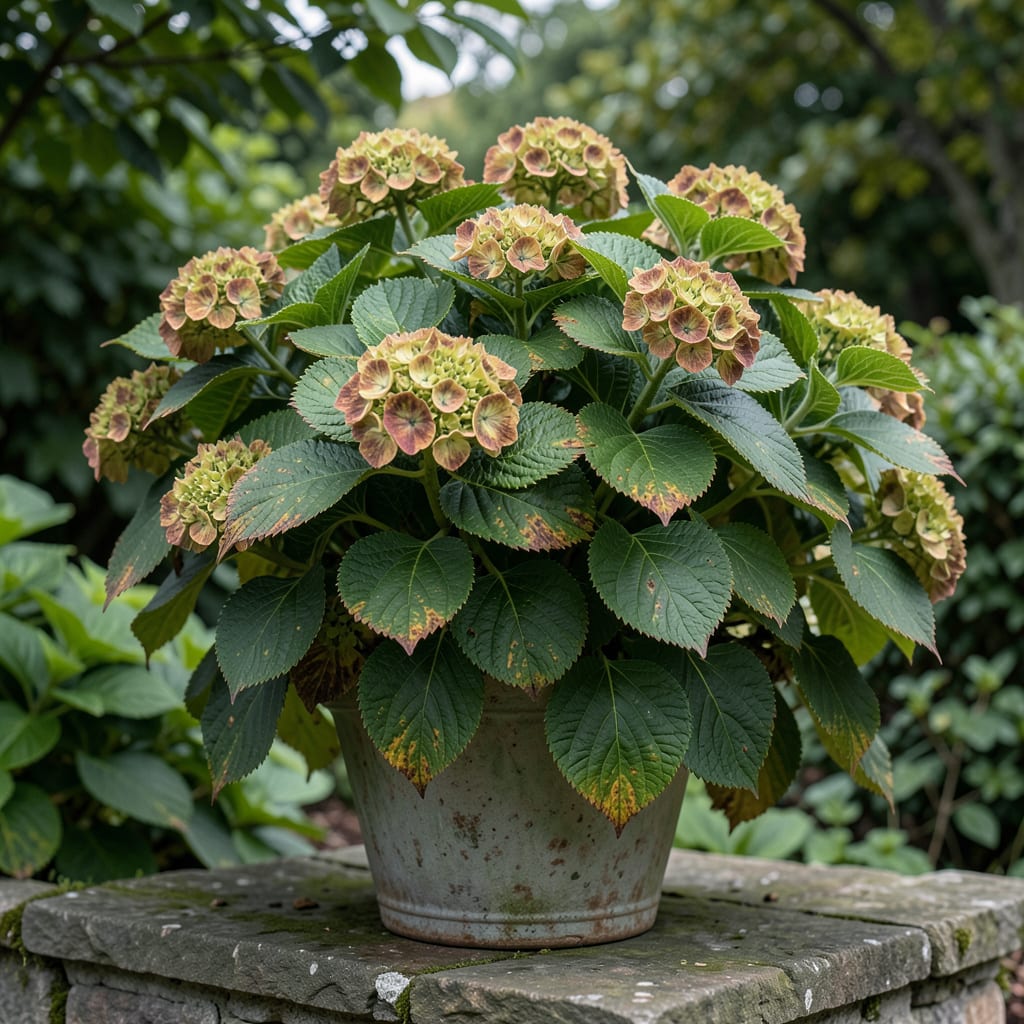
Those brown spots on your hydrangea leaves aren’t just unsightly—they’re trying to tell you something. I’ve seen this enough to know it’s usually one of three culprits: water stress, fungal issues, or a nutrient imbalance.
Fungal spots often start small and dark, spreading with yellow halos. Water stress shows up as crispy edges. Nutrient problems? You’ll notice patterns between veins. The fix starts with proper diagnosis.
Once identified, solutions are straightforward: adjust watering, improve air circulation, or amend the soil. Your hydrangea can bounce back faster than you’d think with the right approach.
Early action saves leaves and blooms. Here’s how to spot the difference and treat it effectively.
Brown spots on hydrangea leaves can be alarming, but understanding the root causes helps you address them effectively. Here are the most common reasons:
Fungi like Cercospora or Anthracnose thrive in warm, humid conditions, causing circular brown or purple spots with darker edges. These pathogens spread through water splashes or contaminated tools. Overhead watering and poor air circulation worsen the issue.
Both overwatering and underwatering can lead to brown spots. Overwatering suffocates roots, reducing nutrient uptake, while drought stress causes leaf tissue to die, creating crispy, brown patches. Inconsistent moisture levels are often the culprit.
Extreme heat, cold drafts, or sudden temperature swings can shock hydrangeas, resulting in leaf scorch. Direct, intense sunlight—especially in hot climates—can also burn leaves, leaving brown, papery spots. Shade cloth can help in such cases.
A lack of essential nutrients like magnesium or potassium can manifest as brown spots, often with yellow halos. Soil pH imbalances (hydrangeas prefer slightly acidic soil, pH 5.2–6.2) may lock out nutrients, even if they’re present.
Pests like aphids, spider mites, or Japanese beetles feed on leaves, causing damage that can turn brown. Their feeding sites may also introduce secondary infections, worsening the discoloration.
When brown spots appear on your hydrangea leaves, quick action can restore your plant’s health. Below are practical solutions tailored to the most common causes.
If the spots are circular with dark edges, a fungicide is your best bet. Use a copper-based or neem oil spray, applying it in the early morning or late evening to avoid leaf burn. Remove and destroy heavily infected leaves to stop the spread. Prevention tip: 💡 Improve air circulation by spacing plants properly and watering at the base—not overhead—to keep foliage dry.
Soggy soil leads to root rot, which can manifest as brown leaf spots. Let the top inch of soil dry out before watering again. Ensure your hydrangea is planted in well-draining soil, and consider adding compost to improve texture. Prevention tip: ✨ Use a moisture meter to monitor soil hydration and avoid guessing.
If the brown spots are dry and crispy, your hydrangea may be getting too much direct sunlight. Move potted hydrangeas to a shadier spot or use shade cloth for in-ground plants during peak afternoon hours. Prevention tip: 🌡️ Mulch around the base to retain moisture and regulate soil temperature.
Check the undersides of leaves for pests like aphids or spider mites, which can cause brown spotting. Blast them off with a strong stream of water or apply insecticidal soap. Prevention tip: 🎯 Encourage beneficial insects, like ladybugs, by planting companion flowers nearby.
Yellowing leaves with brown spots may signal a lack of essential nutrients. Use a balanced, slow-release fertilizer formulated for hydrangeas, and test your soil pH—hydrangeas thrive in slightly acidic soil (pH 5.5–6.5). Prevention tip: 📊 Feed your plants every 4–6 weeks during the growing season.
Yes, if caused by fungal infections. Remove affected leaves immediately and avoid overhead watering to prevent spores from spreading.
Sunburn spots are dry and crispy, often on leaves exposed to intense afternoon sun. Disease spots usually appear darker with defined edges and may spread.
With prompt action, most hydrangeas recover fully. Remove damaged leaves, adjust care, and monitor for new growth. Most bounce back within 2-3 weeks.
Improve air circulation, water at the base, and maintain consistent soil moisture. Apply neem oil preventatively every 2 weeks during humid weather.
