
Beautiful Plants For Your Interior
Beautiful Plants For Your Interior
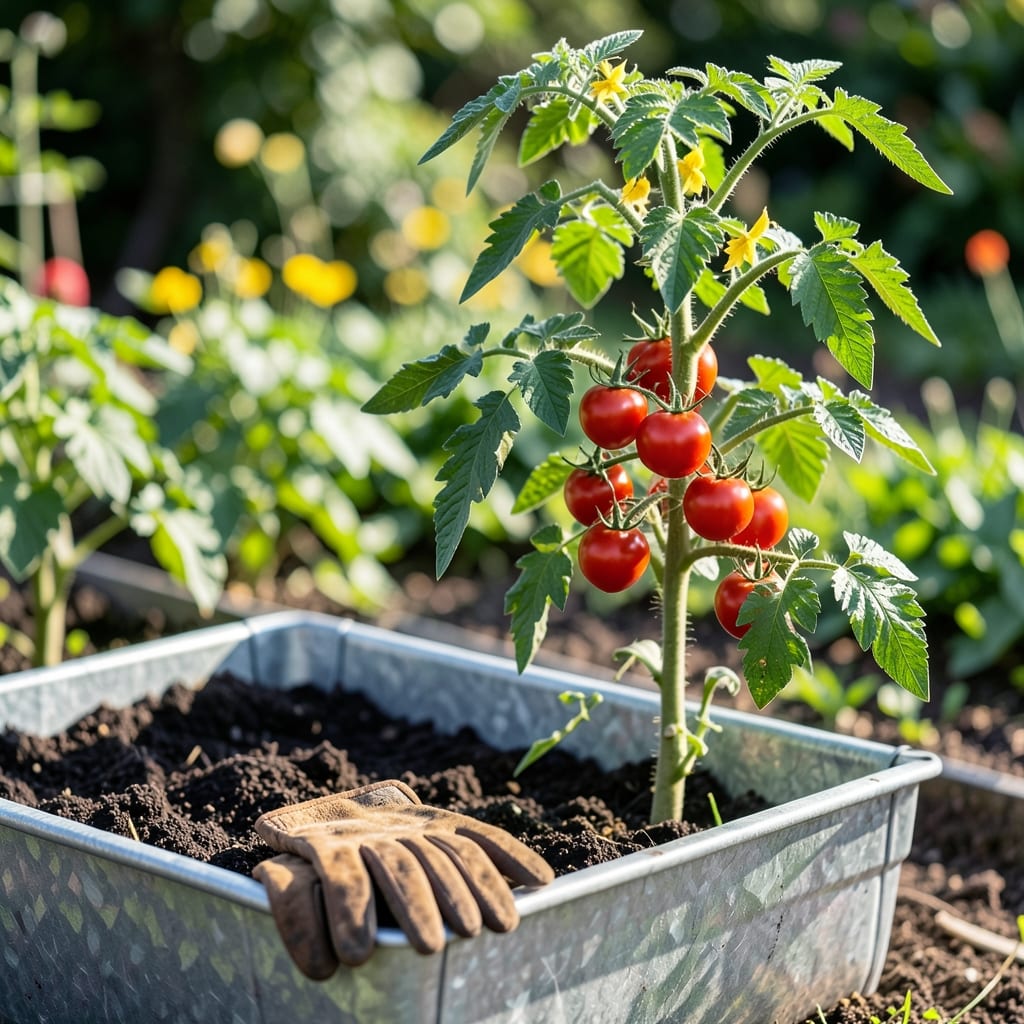
Galvanized garden beds are generally safe for most plants once the zinc coating weathers, but avoid growing acidic crops like tomatoes or berries that may absorb excess zinc.
I’ve used these beds for years and found the zinc layer naturally breaks down over 6-12 months of exposure to air and moisture. This process reduces the risk for most vegetables, but I always line the interior with landscape fabric for extra protection. The real concern comes with soil pH below 6.0, which accelerates zinc absorption in sensitive plants. 🔥
💡 In This Article
The galvanizing process coats steel with a zinc layer, typically 98-99% pure, that protects against rust. Over time, this zinc reacts with oxygen and moisture to form zinc carbonate, a stable compound. This weathering process usually completes within 6-18 months, significantly reducing initial zinc solubility. 🔥
Soil pH dramatically influences zinc availability. In acidic conditions (pH below 6.0), zinc becomes more soluble and accessible to plant roots. Neutral to alkaline soils (pH 6.5-7.5) keep zinc bound to soil particles, minimizing uptake. This explains why blueberries and potatoes, which prefer acidic soil, are more vulnerable to zinc toxicity. ✨
Sensitive plants show visible signs when exposed to excess zinc. Leaf edges may turn brown or yellow, growth slows, and root development suffers. I’ve noticed this particularly with strawberries, where zinc concentrations above 20-30 ppm in soil can reduce yields by up to 20%.
The good news is that most leafy greens and herbs tolerate zinc well. 💫
Long-term use of galvanized beds can gradually increase soil zinc levels. However, in most cases, this accumulation stays within safe limits (100-200 ppm) for non-acidic crops. Regular soil testing helps monitor these levels, especially in beds used for 5+ years.
What surprises many gardeners is that zinc is actually an essential micronutrient for plants in trace amounts. ⚡
Compare this to untreated wood beds, which may leach tannins that can temporarily affect soil pH. Galvanized steel offers durability (lasting 20-30 years) that wooden alternatives can’t match, assuming proper crop selection and soil management. The key is matching your bed material to your plants’ specific needs and soil preferences. 🌟
The zinc coating typically weathers and stabilizes within 6-18 months. During this period, avoid planting sensitive crops as zinc solubility is highest.
Skip acidic-loving plants like tomatoes, berries, and potatoes. These can absorb excess zinc, especially in soil with pH below 6.0. Stick to leafy greens and herbs instead.
Yes! Use heavy-duty landscape fabric or a pond liner to create a barrier. This is especially important during the first year of use.
With proper care, they last 20-30 years. Inspect annually for rust spots and treat damaged areas with zinc-rich paint to maintain protection.